Callous Unemotional Traits, Schadenfreude, and Sadism: Moderating Role of Revenge Tendencies
[Los rasgos de insensibilidad emocional, la Schadenfreude y el sadismo: el papel moderador de la tendencia a vengarse]
Muhammad Asim & Sadia Malik
University of Sargodha, Pakistan
https://doi.org/10.5093/apj2026a7
Received 18 March 2024, Accepted 30 September 2025
Abstract
Callous-unemotional (CU) traits have been consistently linked to harmful interpersonal behaviors such as schadenfreude and sadism. However, limited empirical research has examined these associations within law enforcement populations, particularly in the Pakistani context. This study aimed to examine the influence of CU traits on schadenfreude (pleasure derived from others’ misfortunes) and sadism among Pakistani police constables. It further investigated whether revenge tendencies moderate these relationships. A sample of 160 police constables (56.3% male, n = 90; 43.8% female, n = 70) was recruited through convenience sampling. Participants completed four validated self-report instruments: the Inventory of Callous-Unemotional Traits, the Vengeance Scale, the Perceived Schadenfreude Scale, and the Short Sadistic Impulse Scale. Data were analyzed using SPSS and the PROCESS macro (version 4.2) to test moderation effects. CU traits were significantly positively correlated with both schadenfreude and sadism. Moreover, revenge tendencies significantly moderated these associations, amplifying the expression of both behaviors among individuals high in CU traits. These findings contribute to a deeper understanding of how CU traits and revenge tendencies interact to influence antisocial behaviors within law enforcement personnel. The results underscore the need for targeted psychological interventions to mitigate harmful tendencies and promote ethical conduct in policing. Limitations, including reliance on self-report data and the specific occupational sample, are acknowledged, with suggestions for future research directions.
Resumen
Se ha relacionado a los rasgos de insensibilidad emocional con los comportamientos interpersonales dañinos como la shadenfreude [alegrarse del mal ajeno] y el sadismo, pese a lo cual hay poca investigación empírica sobre esta asociación en el mundo judicial, especialmente en Paquistán. El estudio pretende analizar la influencia de los rasgos de insensibilidad emocional en la schadenfreude y el sadismo en los policías paquistaníes. Se investiga además si la tendencia a la venganza modera estas asociaciones. Se reclutó una muestra de 160 agentes de policía (90 varones, 56.3%, y 70 mujeres, 43.8%) a través de un muestreo de conveniencia. Los participantes cumplimentaron cuatro instrumentos de autoinforme validados: el Inventario de Rasgos de Insensibilidad Emocional, la Escala de Venganza, la Escala de Schadenfreude Percibida y la Escala Breve de Impulsos Sádicos. Los datos se analizaron con el SPSS y la macro PROCESS v. 4.2 para comprobar el efecto de la moderación. Los rasgos de insensibilidad emocional correlacionaban positiva y significativamente con la schadenfreude y el sadismo. Además la tendencia a la venganza moderaban tales asociaciones de modo significativo, amplificando la expresión de ambos comportamientos en las personas con fuertes rasgos de insensibilidad emocional. Los resultados contribuyen a un conocimiento más profundo sobre cómo interactúan los rasgos de insensibilidad emocional y la tendencia a vengarse para influir en los comportamientos antisociales en el colectivo de agentes policiales. Los resultados subrayan la necesidad de intervenciones psicológicas dirigidas a mitigar las tendencias perjudiciales y fomentar el comportamiento ético en la policía. Se reconocen limitaciones, como confiar en los datos de autoinforme y en una muestra ocupacional específica, con sugerencias para la investigación futura.
Palabras clave
Rasgos de insensibilidad emocional, Tendencia a la venganza, Schadenfreude, SadismoKeywords
Callous unemotional traits (CUT), Revenge tendencies (RT), Schadenfreude, SadismCite this article as: Asim, M. & Malik, S. (2026). Callous Unemotional Traits, Schadenfreude, and Sadism: Moderating Role of Revenge Tendencies. Anuario de Psicología Jurídica, 36, Article e260474. https://doi.org/10.5093/apj2026a7
Correspondence: drsadiamalik13@gmail.com (S. Malik).Policing is a demanding profession that exposes officers to high-stress situations, frequent threats, and traumatic events. From restraining suspects to responding to crises, police constables must make rapid decisions under pressure, often in volatile and dangerous environments. The nature of police work not only necessitates psychological resilience and emotional regulation but also places officers at risk for maladaptive coping mechanisms. Research has shown that certain personality traits, such as emotional stability, conscientiousness, and resilience, facilitate effective adaptation in high-pressure occupations (Anshel, 2000; Salters-Pedneault et al., 2010). However, the same occupational stressors may also contribute to the development of maladaptive traits and behaviors, including emotional numbing, reduced empathy, and antisocial tendencies (Andersen & Papazoglou, 2015; Violanti et al., 2017). Callous-unemotional (CU) traits, characterized by a lack of empathy, remorse, and emotional sensitivity, have garnered attention as psychological constructs relevant to the behavioral functioning of police officers. These traits are core components of psychopathy and are established risk factors for the development of antisocial behavior (Frick & White, 2008). While CU traits have been primarily studied in clinical or juvenile populations, their manifestation in occupational settings, particularly in law enforcement, warrants further exploration. The psychological toll of repeated exposure to traumatic events, including violence, public hostility, and loss of life, may contribute to emotional desensitization and the reinforcement of CU traits among officers (Bakker & Heuven, 2006; Lucas et al., 2012). CU traits are associated with a range of antisocial outcomes, including sadism and schadenfreude. While often conflated, these constructs represent distinct psychological phenomena. Sadism refers to the deliberate infliction of psychological or physical harm to derive pleasure, control, or satisfaction (O’Meara et al., 2011). In contrast, schadenfreude involves passive enjoyment or amusement at another person’s misfortune, typically in the absence of personal involvement in the harm (Ben-Ze’ev, 2014). Although both are linked to reduced empathy, sadism involves active engagement in harmful acts, while schadenfreude reflects emotional detachment and pleasure from observation (Porter et al., 2014). Evidence suggests that individuals with elevated CU traits display impairments in emotion recognition, particularly for distress-related emotions such as fear and sadness, contributing to both sadistic tendencies and schadenfreude (Dawel et al., 2012; Erzi, 2020). Subclinical sadists, in particular, demonstrate a proclivity for cruelty, often pursuing harmful actions for intrinsic enjoyment rather than instrumental gain (Buckels et al., 2013). These individuals may even incur personal costs to inflict suffering, highlighting the severity of sadism as a form of interpersonal dysfunction (Campbell et al., 2004). Tendencies towards revenge may also mediate the interplay between CU traits and stress exposure. Revenge, defined as a motivated attempt to harm someone in response to perceived wrongdoing, differs from justice-oriented punishment in its emotional reactivity and personal nature (Yoshimura, 2007). While revenge can momentarily restore perceived fairness, it often perpetuates cycles of aggression and impairs emotional wellbeing (Zaibert, 2006). In some cases, sadistic behavior may be driven by revenge motives, particularly among individuals with high hostility or emotional dysregulation (Millon, 2011). Moreover, schadenfreude can serve as a form of “imagined revenge” when direct retaliation is not feasible (Leach & Spears, 2008), reflecting a passive outlet for unresolved grievance. Given the emotionally charged and adversarial nature of law enforcement work, Pakistani police constables operate in a unique sociocultural and occupational context that may exacerbate or shape the manifestation of these traits. High workloads, limited institutional support, and exposure to violence may intensify the expression of CU traits and associated behaviors (Forero et al., 2009). Understanding the potential moderating role of revenge in the relationship between CU traits, sadism, and schadenfreude is particularly important in this setting, as these psychological factors could influence officers’ ethical decision-making and interpersonal conduct. The current study investigates the influence of CU traits on schadenfreude and sadism among Pakistani police constables, with a specific focus on the moderating role of revenge tendencies. By contextualizing these relationships within a high-stress occupational environment, this study aims to advance our understanding of the psychological mechanisms underlying antisocial behavior in law enforcement. Furthermore, it seeks to inform the development of targeted interventions to promote emotional regulation, empathy, and ethical behavior among police personnel. Procedure Following approval from the relevant authorities, data collection for this study involved paper-based surveys distributed to police constables across various districts. To ensure informed participation, researchers first established rapport with potential participants by explaining the study’s purpose. Those who expressed interest then provided written informed consent before completing the questionnaire. Confidentiality of participant information was a primary concern, and researchers assured participants that their data would be used solely for research purposes. The questionnaire included demographic information and instructed participants to answer honestly and completely. Following these ethical procedures, data collection commenced from participating constables. Data and Sample A total of 217 police employees from the Punjab Police force in Pakistan were approached for participation in this study. A convenience sampling method was employed, involving the recruitment of readily accessible individuals (Neuman, 2007). From the initial pool, 57 participants were excluded solely based on their rank, as the study focused exclusively on police constables and not higher-ranking officers. The final sample consisted of 160 police constables who met the inclusion criteria. All participants had a minimum educational qualification of matriculation, which ensured they could understand the English-language self-report questionnaires used in the study. This level of education was essential for accurate comprehension and completion of the study measures. Among the participants, 90 (56.3%) were male and 70 (43.8%) were female. In terms of marital status, 64 participants (40%) were married, while 96 (60%) were unmarried. The age distribution was as follows: 18-22 years (n = 27, 16.9%), 23-26 years (n = 82, 51.2%), 27-30 years (n = 30, 18.8%), and over 30 years (n = 21, 13.1%). All participants provided informed consent before data collection. Ethical standards regarding confidentiality, voluntary participation, and the right to withdraw from the study at any point were strictly adhered to. Measures In this step of the study, four self-administered questionnaires were administered to the sample to get initial information about the variables. The demographic sheet is also attached, along with the Callous-Unemotional Trait Scale developed by Frick (2004). The scale consisted of 24 items, measured on a 4-point Likert scale, with a range of 0 (not at all true) to 3 (definitely true). There are twelve reverse-scored items (items 1, 3, 5, 8, 13, 14, 15, 16, 17, 19, 23, 24). The three sub-scales and their items are callousness (4, 8, 9, 18, 11, 21, 7, 20, 2, 10, 12), uncaring (15, 23, 16, 3, 17, 24, 13, 5), and unemotional (1, 19, 6, 22, 14). The internal reliability in the current study was high, with a Cronbach’s alpha of .96. The Perceived Schadenfreude Scale was developed by Batool (2012). The scale contains 28 items. Participants responded to statements on a 5-point Likert scale. The scale ranges from 1 (never) to 5 (always), and there is no reverse item on the scale. The coefficient alpha is .91. The Short Sadistic Impulse Scale by O’Meara et al. (2011) consisted of 10 items, each with ratings on a 5-point scale ranging from 1 (strongly disagree) to 5 (strongly agree). The alpha coefficient was .82. The Vengeance Scale was developed by Stuckless and Goranson (1992). The scale consisted of 20 items, measured on a 7-point Likert scale. It contains a 7-point Likert scale that ranges from 1 (strongly disagree) to 7 (strongly agree). The internal reliability in the current study was high, with a Cronbach’s alpha of .92. In the present study, all instruments, including the ICU, were adapted into English. Given that all participants had a minimum education level of matriculation, they were able to understand and complete the English-language questionnaires with ease. Statistical Analysis Procedures In this study, we first verified whether the data met the conditions required for parametric tests, such as Pearson’s correlation and linear regression. We examined histograms and Q-Q plots, and employed the Shapiro-Wilk test to verify that the data followed a normal distribution. We also checked for homoscedasticity by reviewing residual plots, ensuring that the variance in errors remained stable across different levels of the independent variables. Additionally, we confirmed that the residuals were normally distributed using the same visual tools and statistical tests. These steps confirmed that our data met all the necessary assumptions, allowing us to confidently use Pearson’s correlation and linear regression for our analysis. Table 1 shows the variable means, standard deviations, and bivariate correlations. The results display the means and standard deviations of all variables. The results demonstrate a positive association between callous-unemotional traits and revenge tendencies (r = .40, p < .001), sadism (r = .35, p < 0.001), and schadenfreude (r = .35, p < .001). The results also show a positive association between revenge tendencies and sadism (r = .63, p < .001), as well as schadenfreude (r = .51, p < .001). Additionally, there is a significant positive correlation between sadism and schadenfreude (r = .59, p < .01). Table 1 Variable Means, Standard Deviations, and Bivariate Correlations (N = 160) 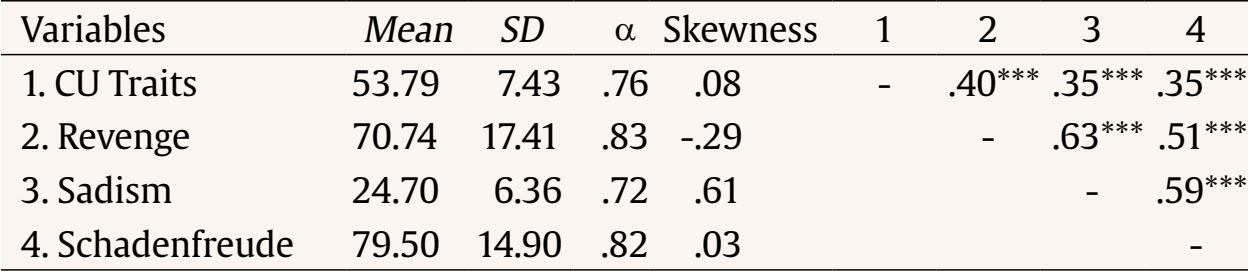 Note. CU = callous unemotional. ***p < .001. Table 2 and Figure 1 illustrate the moderating role of revenge tendencies in the relationship between callous-unemotional traits and schadenfreude, while controlling for gender effects. Findings confirmed that revenge tendencies moderated the relationship between callous-unemotional traits and schadenfreude among police constables. The value of R2 = .32 indicates that 32% of the variance in the outcome variable is explained by the predictors, with F(2, 156) = 18.38, p < .001. The value of ΔR2 is 0.02 with ΔF(1, 156) = 5.44, p < .05, explaining a variance of 2% by the additional effect in Schadenfreude. The findings indicate that callous unemotional traits are significant (B = 0.32, p < .05), Revenge tendencies are significant (B = 0.30, p < .001), and CU × Revenge tendencies (B = 0.02, p < .05) have a significant antagonistic effect on Schadenfreude. A significant interaction was found between callous-unemotional and revenge tendencies, indicating that the effect of callous-unemotional traits on schadenfreude varied by level of revenge. Specifically, the effect was non-significant at low and high levels of revenge, but significant at medium levels. This suggests that individuals with high callous-unemotional traits are more likely to engage in schadenfreude when they also have high revenge tendencies. Table 2 Moderation of Revenge Tendencies between Callous Unemotional and Schadenfreude among Police Constables (N = 160) 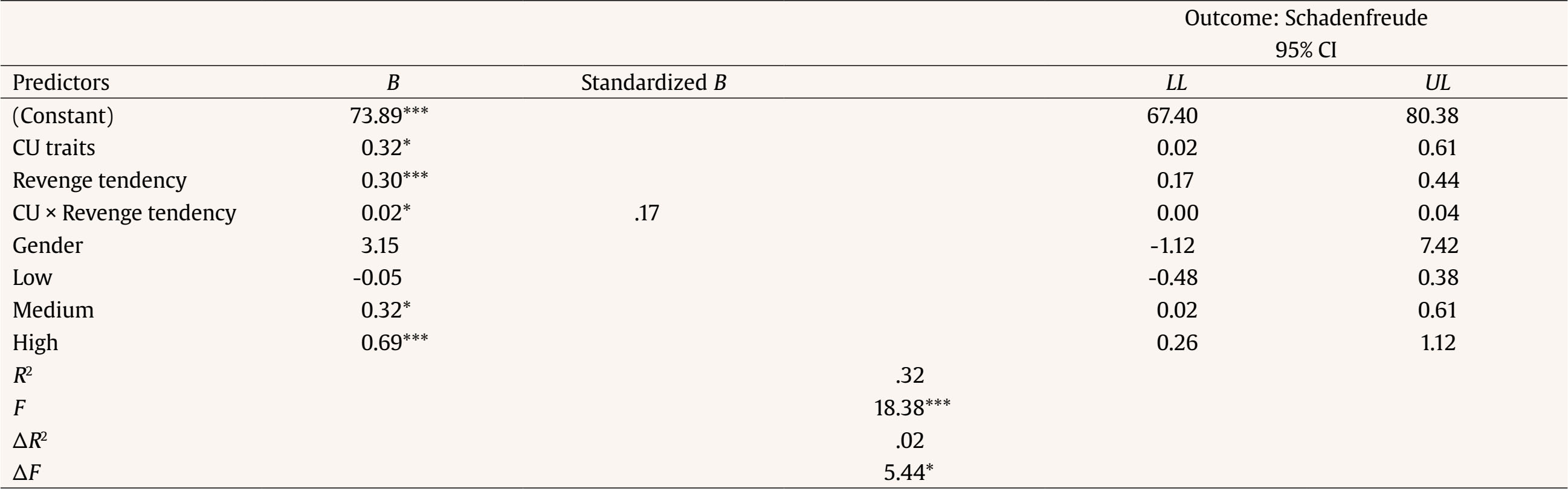 *p < .05, **p < .01, ***p < .001. Figure 1 Mod-Graph Showing Moderating Effects of Revenge Tendencies between Callous-Unemotional and Schadenfreude among Police Constables. 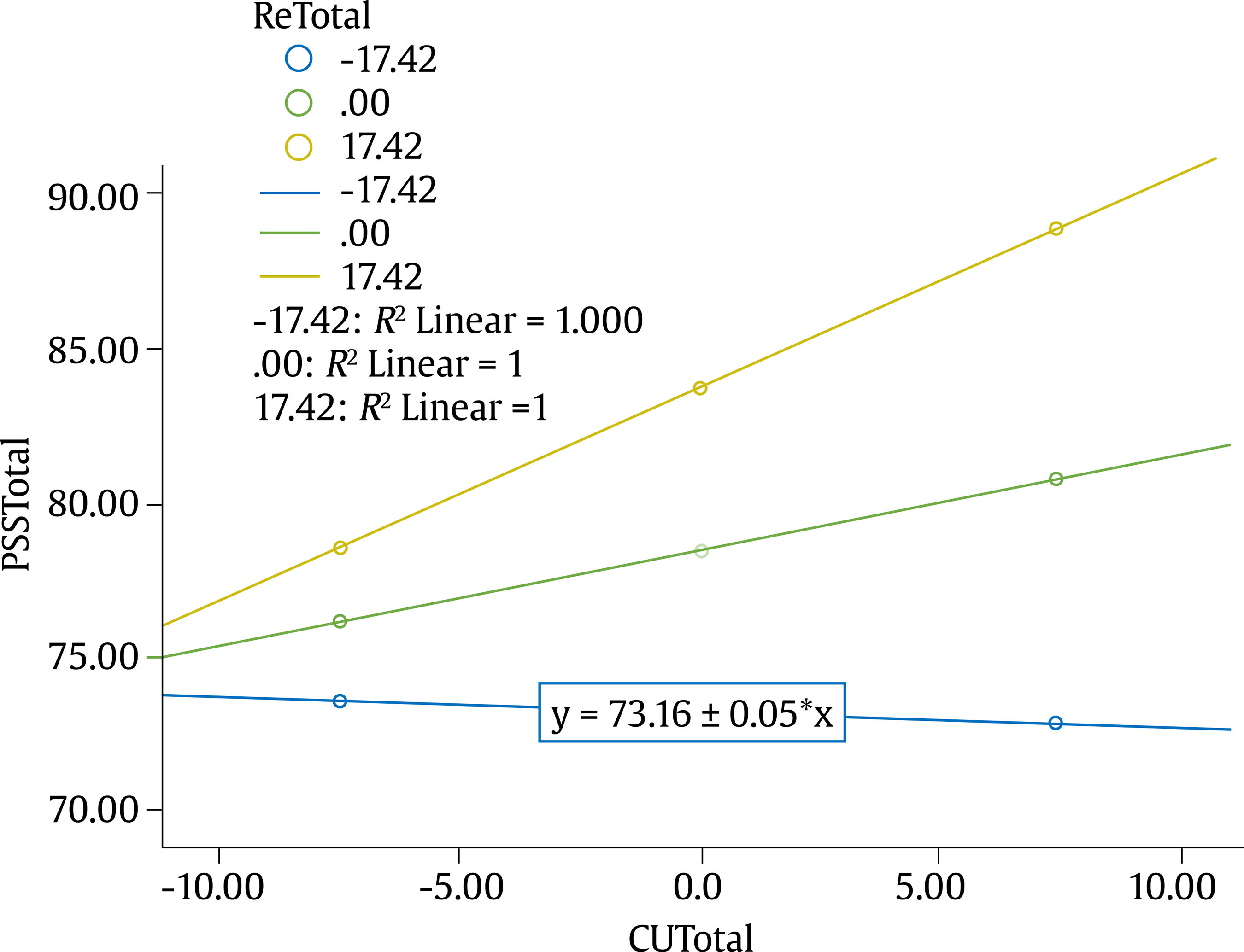 Figure 2 shows the moderating role of revenge tendencies between callous unemotional traits and sadism, and controlling for gender effects, tendencies between callous unemotional and sadism among police constables. Figure 2 Moderating Role of Revenge Tendencies between Callous Unemotional Traits and Sadism. 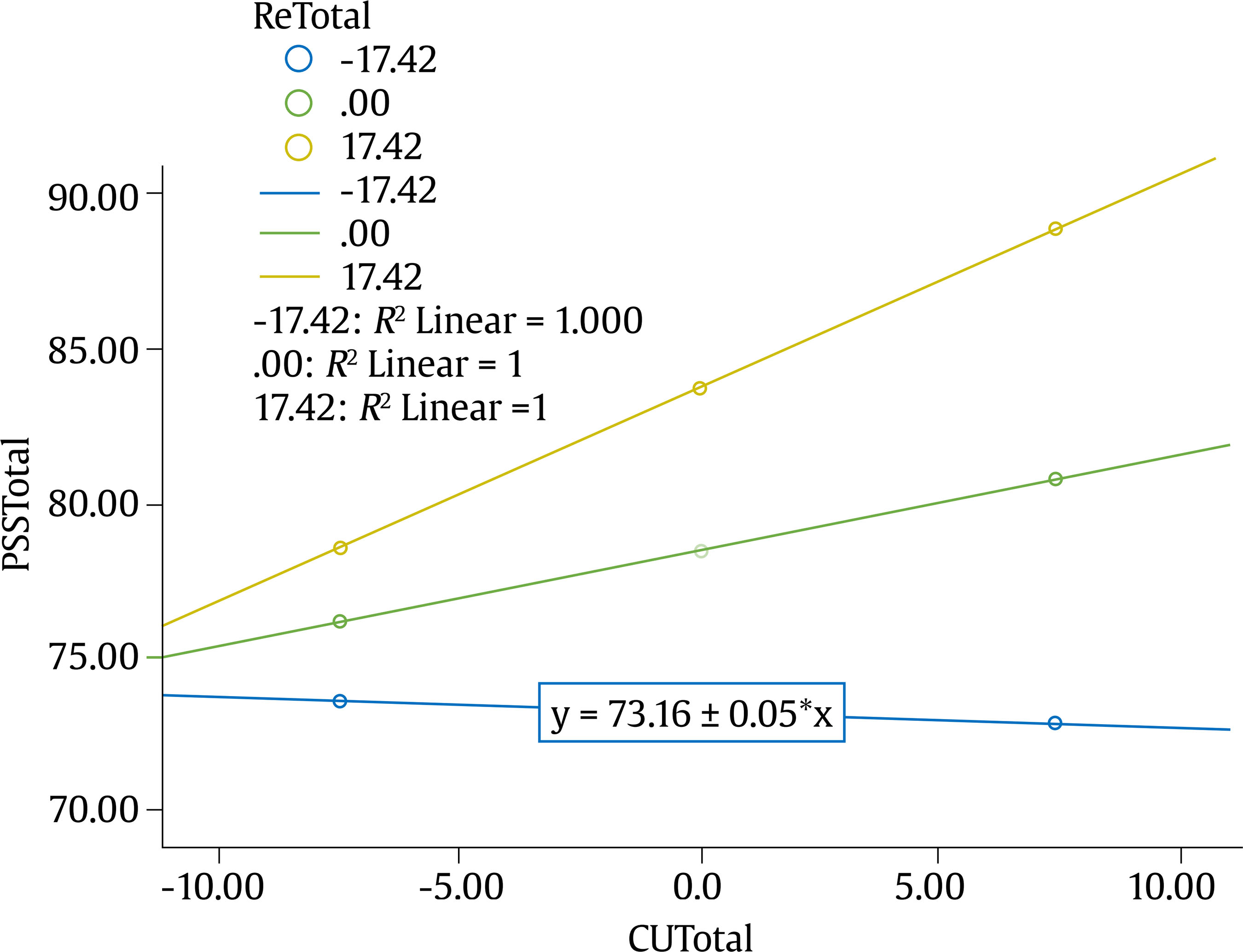 Table 3 and Figure 2 illustrate the moderating role of revenge tendencies between callous-unemotional traits and sadism, while controlling for gender effects. Findings confirmed that revenge tendencies moderated the relationship between callous-unemotional traits and Sadism among police constables. The value of R2 = .50 indicates that 50% of the variance in the outcome variable is explained by the predictors, with F(2, 156) = 38.12, p < .001. The value of ΔR2 is .03, with ΔF(1, 156) = 10.70, p < .001, explaining 3% of the variance due to the additional effect of sadism. The findings indicate that callous-unemotional traits (B = 0.06, p > .05), revenge tendencies (B = 0.16, p < .001), and the interaction between CU and revenge tendencies (B = 0.01, p < .01) have a significant antagonistic effect on sadism. A significant interaction was found between callous-unemotional and revenge tendencies, indicating that the effect of callous-unemotional on sadism varied by level of revenge. Specifically, the effect was non-significant at low, medium, and high levels of revenge. This suggests that individuals with high callous-unemotional traits are more likely to engage in sadism when they also have high revenge tendencies. Table 3 Moderation of Revenge Tendencies between Callous Unemotional and Sadism among Police Constables (N = 160) 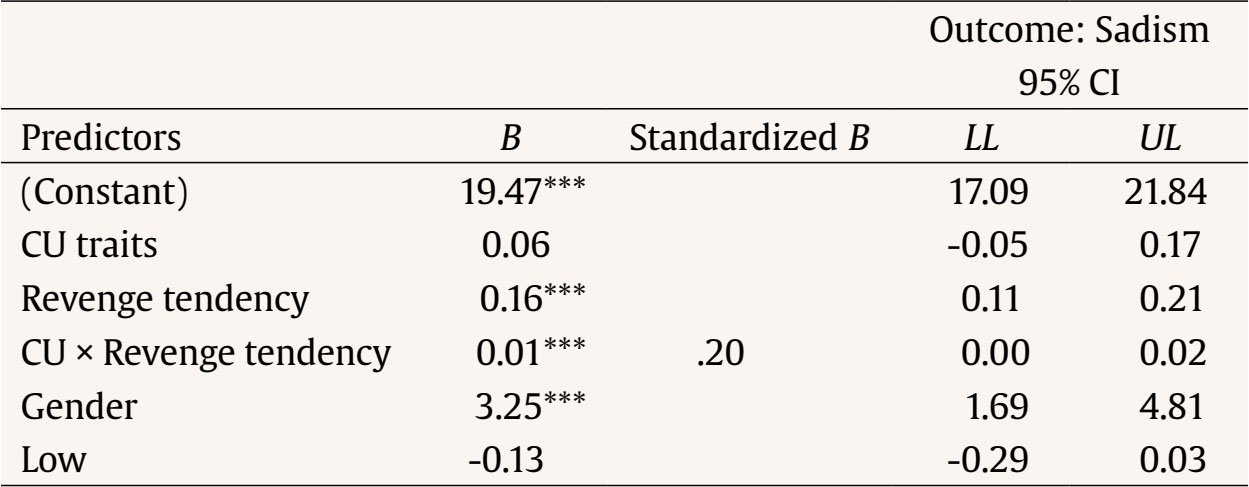 ***p < .001. Table 4 and Figure 3 illustrate the moderating role of revenge tendencies in the relationship between callousness and schadenfreude, while controlling for the effect of gender. Findings confirmed that revenge tendencies were not moderated by the relationship between callousness and schadenfreude among police constables. The value of R2 = .34 indicates that 34% of the variance in the outcome variable is explained by the predictors, with F(4, 155) = 20.19, p < .001. The value of ΔR2 is .01 with ΔF(1, 155) = 2.30, p > .05, explaining a variance of 1% by additional effect in schadenfreude. The findings indicate that callousness × revenge tendencies have a non-significant moderating effect on schadenfreude. A non-significant interaction was found between callousness and revenge tendencies, indicating that the effect of callousness on schadenfreude varied by level of revenge. Table 4 Moderation of Revenge Tendencies between Callousness and Schadenfreude among Police Constables (N = 160) 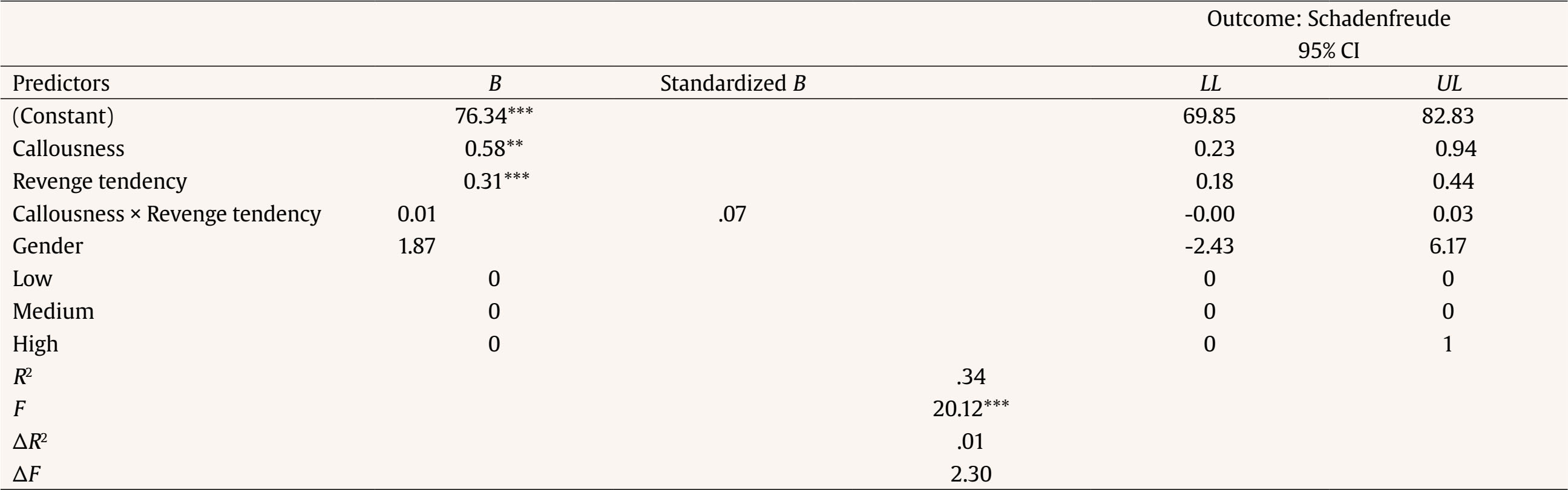 *p < .05, **p < .01, ***p < .001. Figure 3 Mod-Graph Showing Moderating Effects of Revenge Tendencies between Callousness and Schadenfreude among Police Constables. 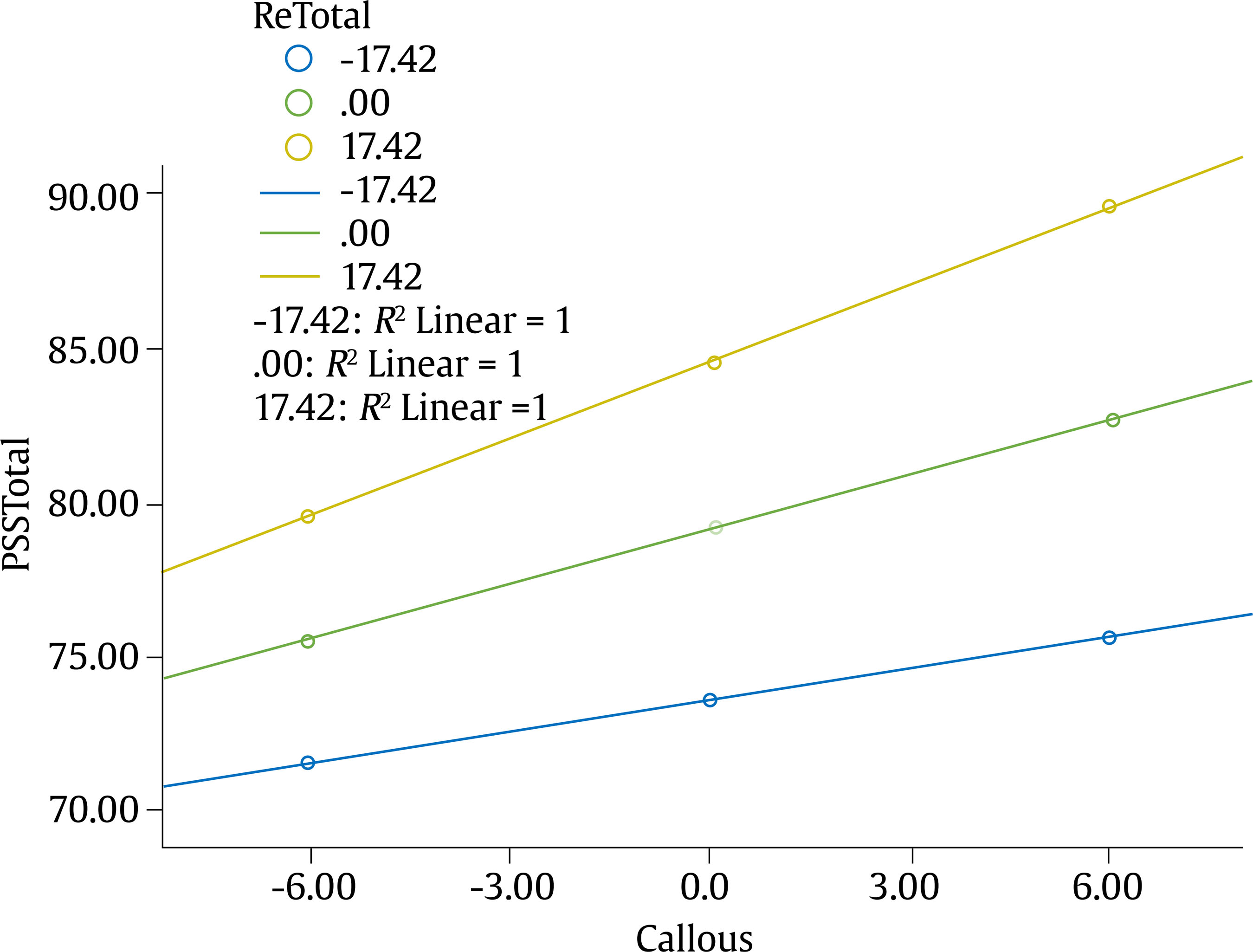 Table 5 and Figure 4 illustrate the moderating role of revenge tendencies between callousness and sadism, while controlling for gender effects. Findings confirmed that revenge tendencies moderated the relationship between callousness and sadism among police constables. The value of R2 = .60 indicates that 60% of the variance in the outcome variable is explained by the predictors, with F(4, 155) = 59.12, p < .001. The value of ΔR2 is .03 with ΔF(1, 155) = 11.62, p < .001, explaining variance of 3% by additional effect in sadism. The findings indicate that callousness, revenge tendencies, and the interaction between callousness and revenge tendencies (B = 0.01, p < .001) have a significant moderating effect on sadism. A significant interaction was found between callousness and revenge tendencies, indicating that the effect of callousness on sadism varied by level of revenge. Specifically, the effect was significant at all three levels of revenge: low, medium, and high. This suggests that individuals with high callousness are more likely to engage in sadism when they also have high revenge tendencies. Table 5 Moderation of Revenge Tendencies between Callousness and Sadism among Police Constables (N = 160) 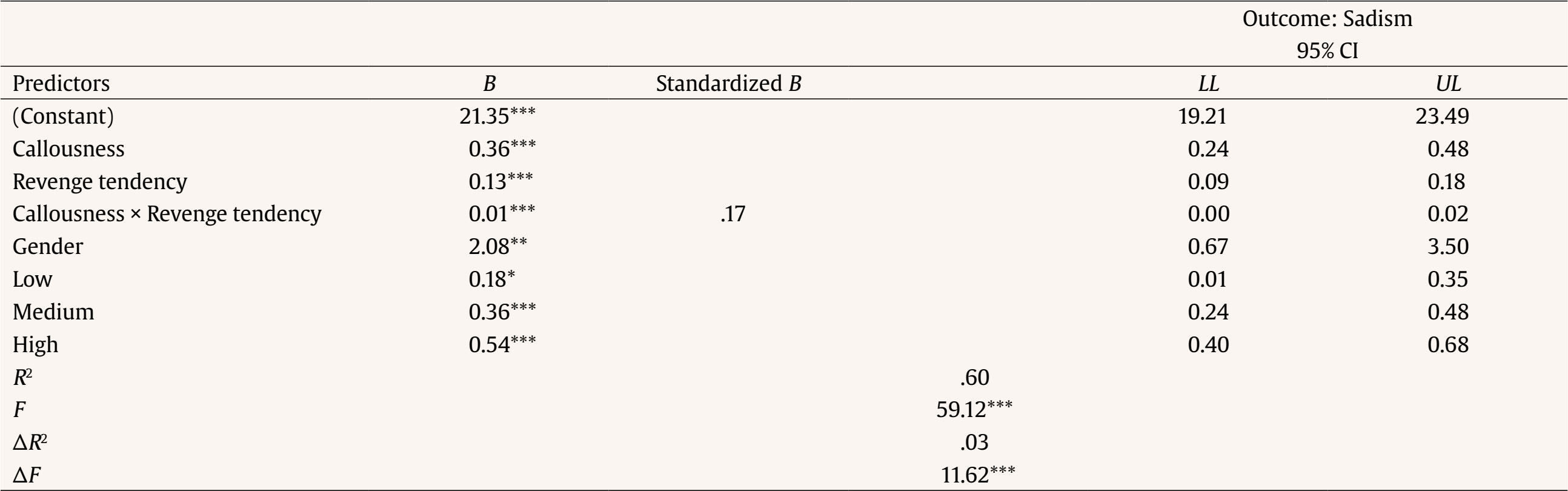 *p < .05, **p < .01, ***p < .001. Figure 4 Mod-Graph Showing Moderating Effects of Revenge Tendencies between Callousness and Sadism among Police Constables. 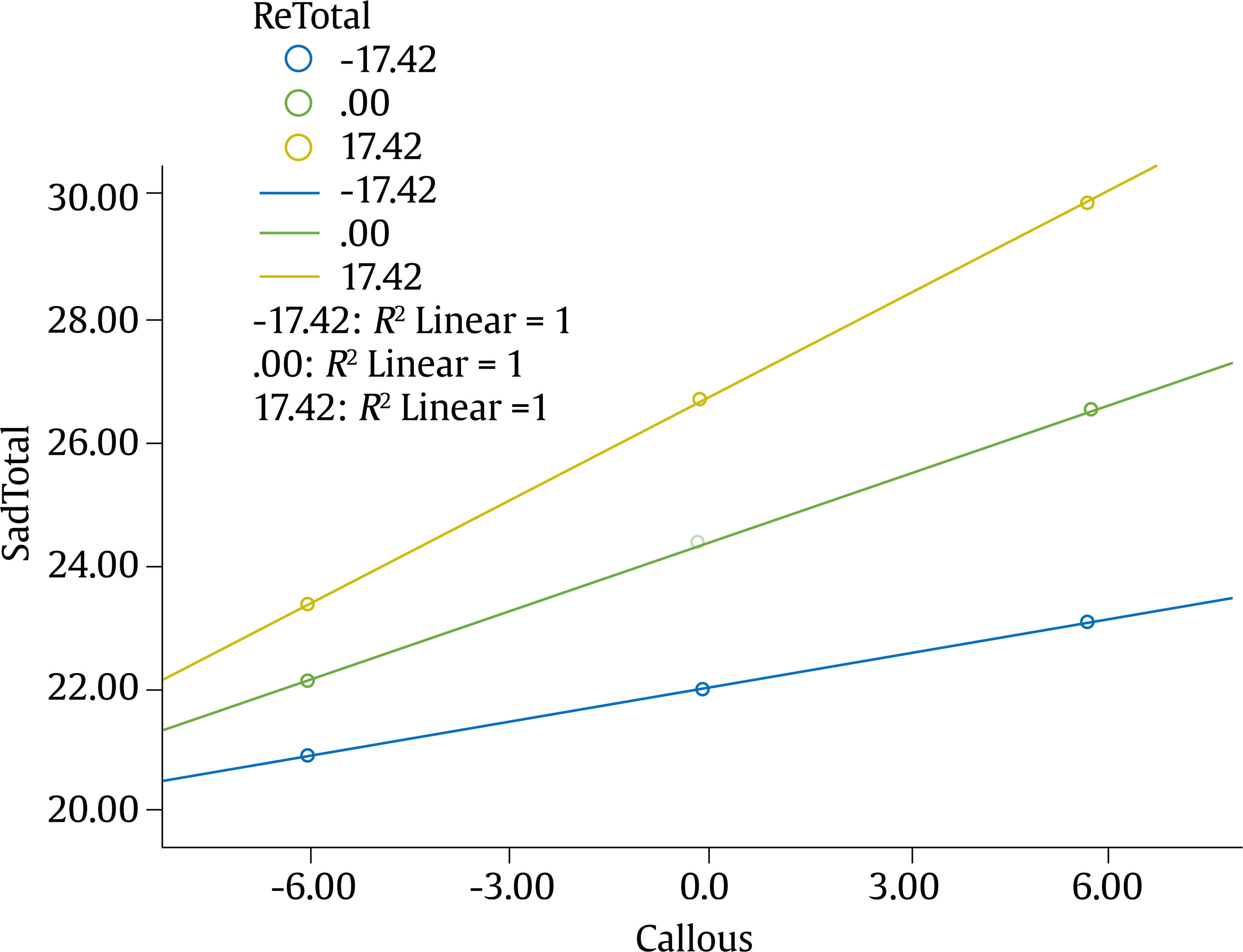 Table 6 and Figure 5 show the moderating role of revenge tendencies between uncaring and schadenfreude, controlling for the gender effect. Findings confirmed that revenge tendencies moderated the relationship between uncaring and schadenfreude among police constables. The value of R2 = .33 indicates that the predictors explain 33% of the variance in the outcome variable. The value of ΔR2 is .05, explaining a variance of 5% by the additional effect in schadenfreude. The findings indicate that uncaring × revenge tendencies have a significant moderating effect on schadenfreude. Table 6 Moderation of Revenge Tendencies between Uncaring and Schadenfreude among Police Constables (N = 160) 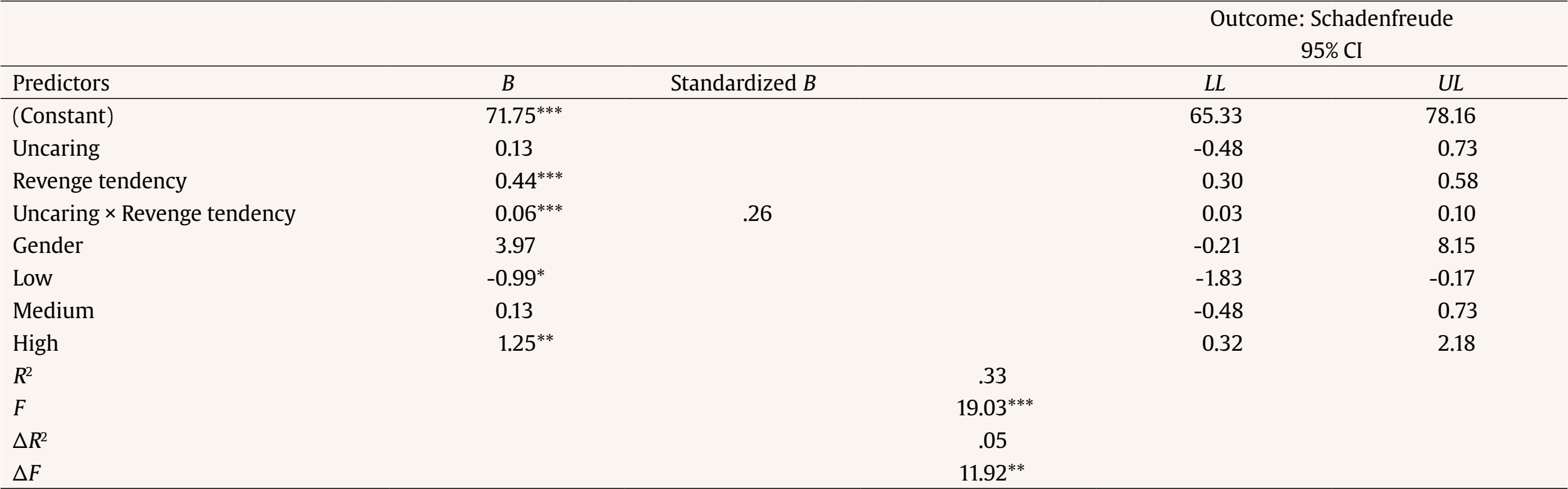 *p < .05, **p < .01, ***p < .001. Figure 5 Mod-Graph Showing Moderating Effects of Revenge Tendencies between Uncaring and Schadenfreude among Police Constables. 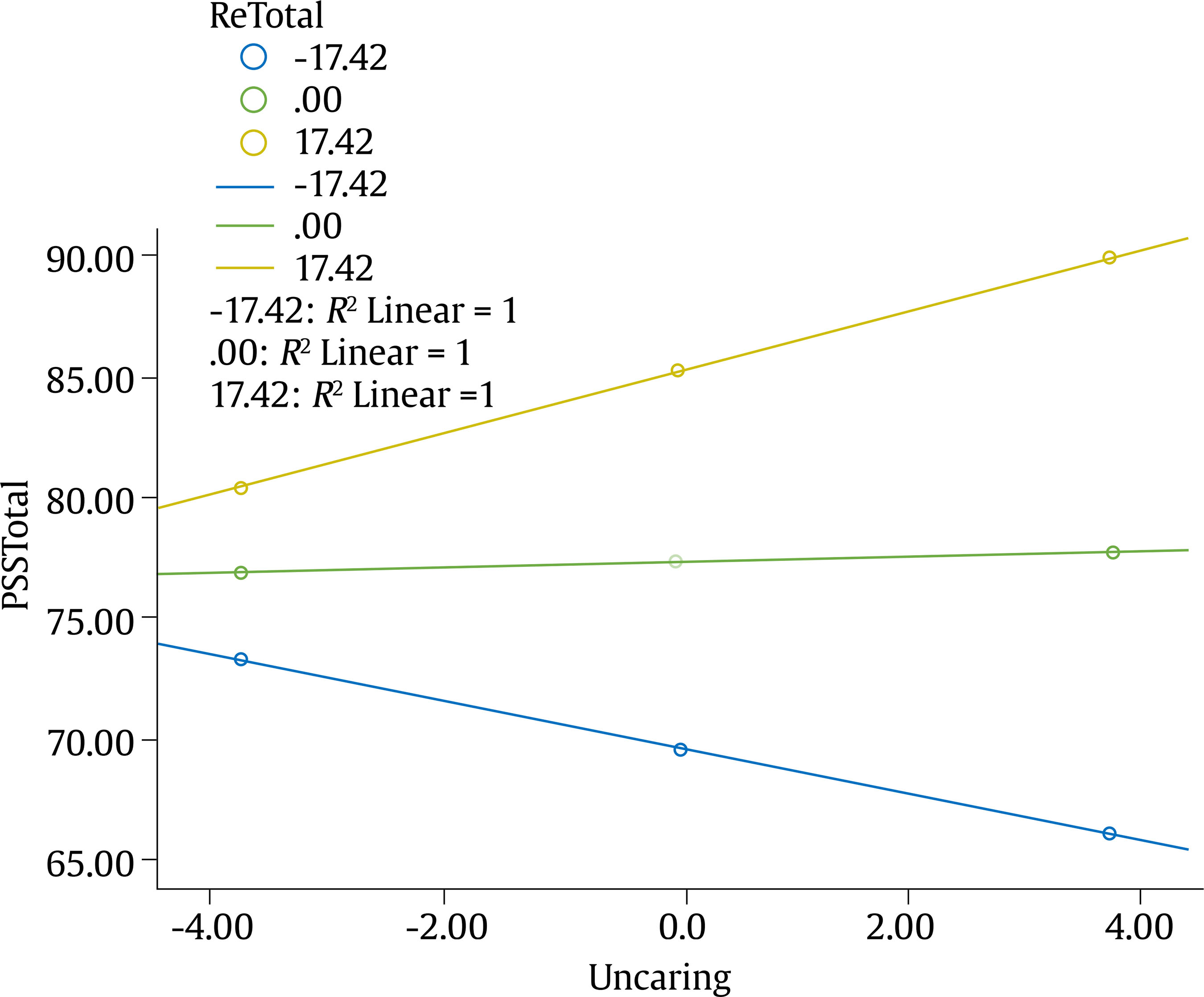 A significant interaction was found between uncaring and revenge tendencies, indicating that the effect of uncaring on schadenfreude varied by level of revenge. Specifically, the effect was significant at low, non-significant medium, and significant high levels of revenge. This suggests that individuals with high callousness are more likely to engage in schadenfreude when they also have high revenge tendencies, and a negative relationship is observed at a low level of revenge tendencies. Table 7 and Figure 6 illustrate the moderating role of revenge tendencies between uncaring and sadism, while controlling for gender effects. The findings indicate that uncaring × revenge tendencies have a non-significant moderating effect on sadism. A non-significant interaction was found between uncaring and revenge tendencies, indicating that there is no effect of uncaring on sadism varied by level of revenge. Table 7 Moderation of Revenge Tendencies between Uncaring and Sadism among Police Constables (N = 160) 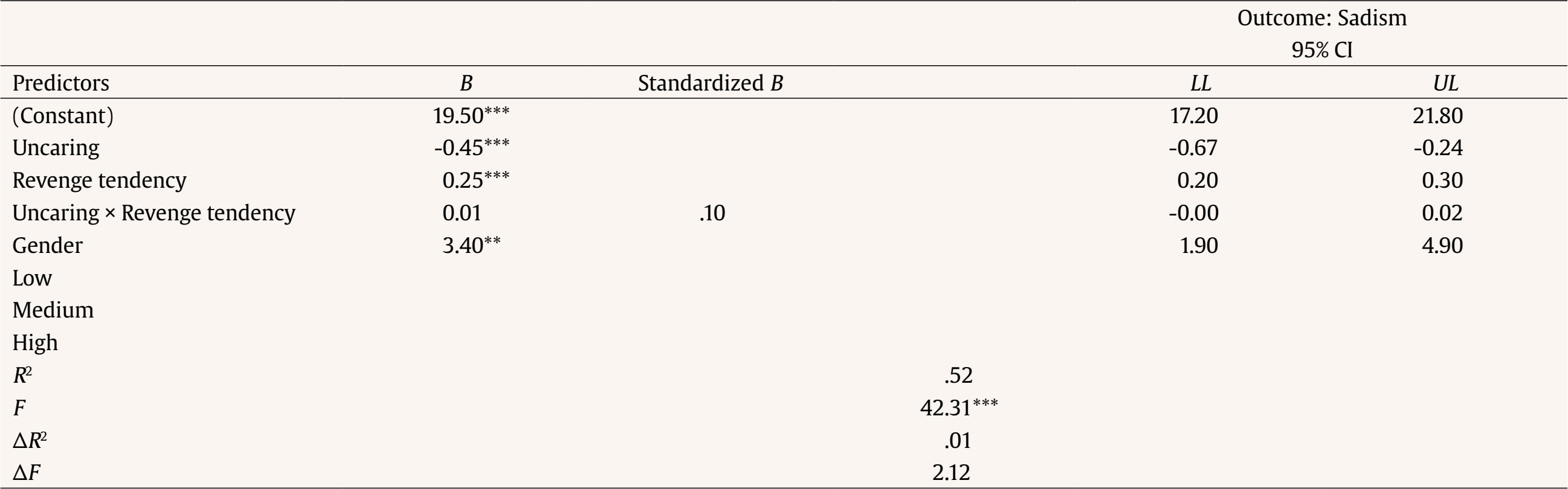 *p < .05, **p < .01, ***p < .001. Figure 6 Mod-Graph Showing Moderating Effects of Revenge Tndencies between Uncaring and Sadism among Police Constables. 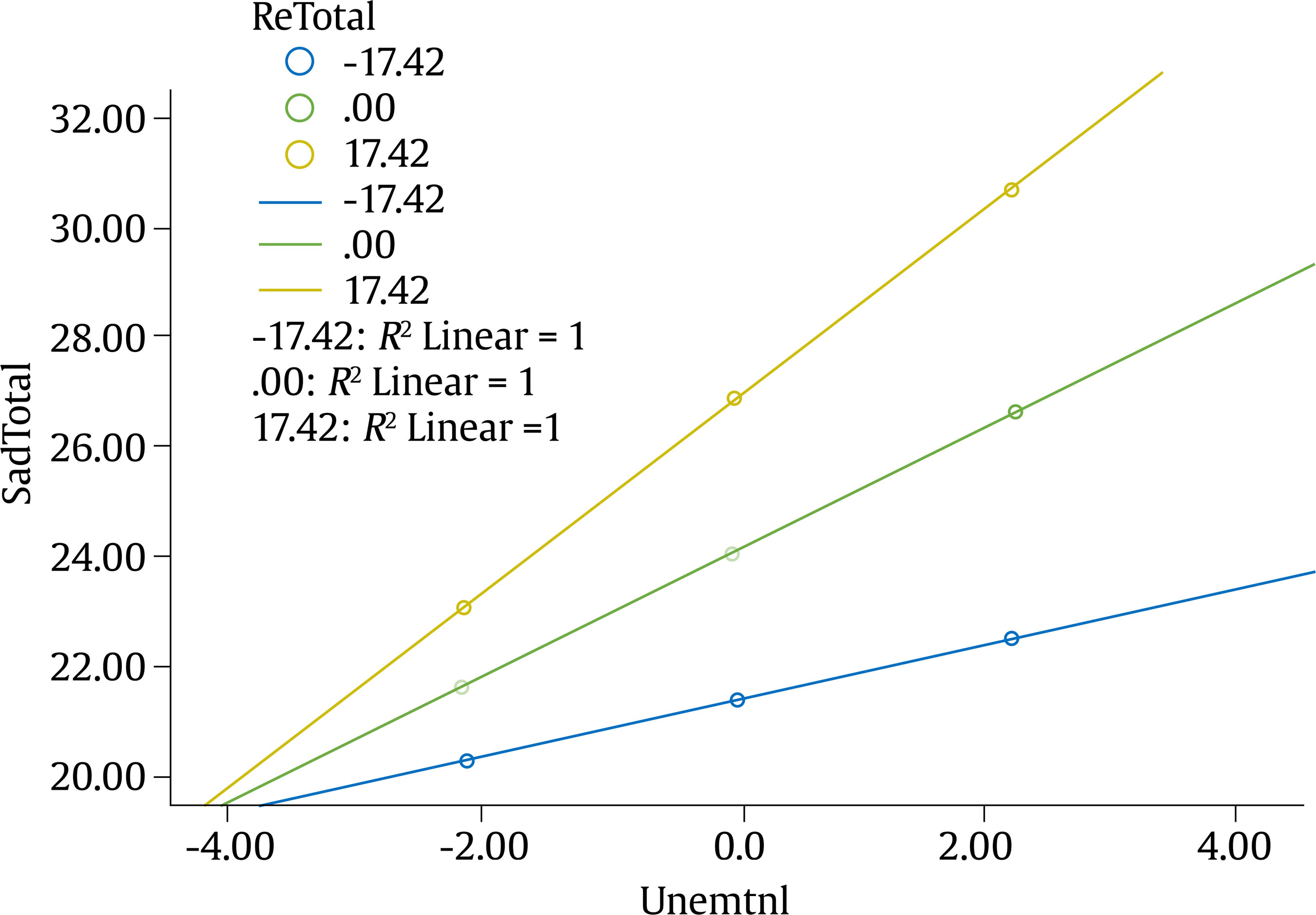 Table 8 and Figure 7 show the moderating role of revenge tendencies between unemotional and schadenfreude, controlling for the gender effect. Findings confirmed that revenge tendencies moderated the relationship between unemotional and schadenfreude among police constables. The values of R2 = .36 indicate that 36% variance in the outcome variable is explained by the predictors. The value of ΔR2 = .01 explains variance of 1% by additional effect in Schadenfreude. The findings indicate that unemotional × revenge tendencies have significant moderating effect on schadenfreude. A significant interaction was found between unemotional and revenge tendencies indicating that the effect of callousness on schadenfreude varied by level of revenge. Specifically, the effect was non-significant at low, significant medium, and high levels of revenge. This suggests that individuals with high unemotional are more likely to engage in schadenfreude when they also have high revenge tendencies. Table 8 Moderation of Revenge Tendencies between Unemotional and Schadenfreude among Police Constables (N = 160) 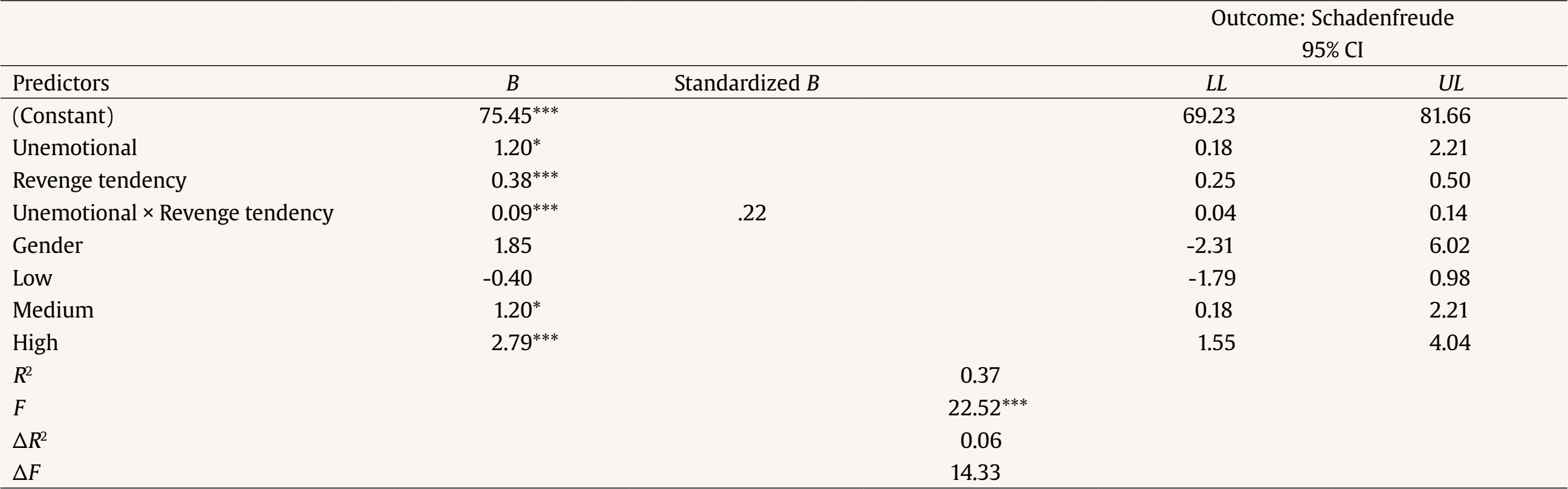 *p < 0.05, **p < .01, **p < .001 Figure 7 Mod-Graph Showing Moderating Effects of Revenge Tendencies between Unemotional and Schadenfreude among Police Constables. 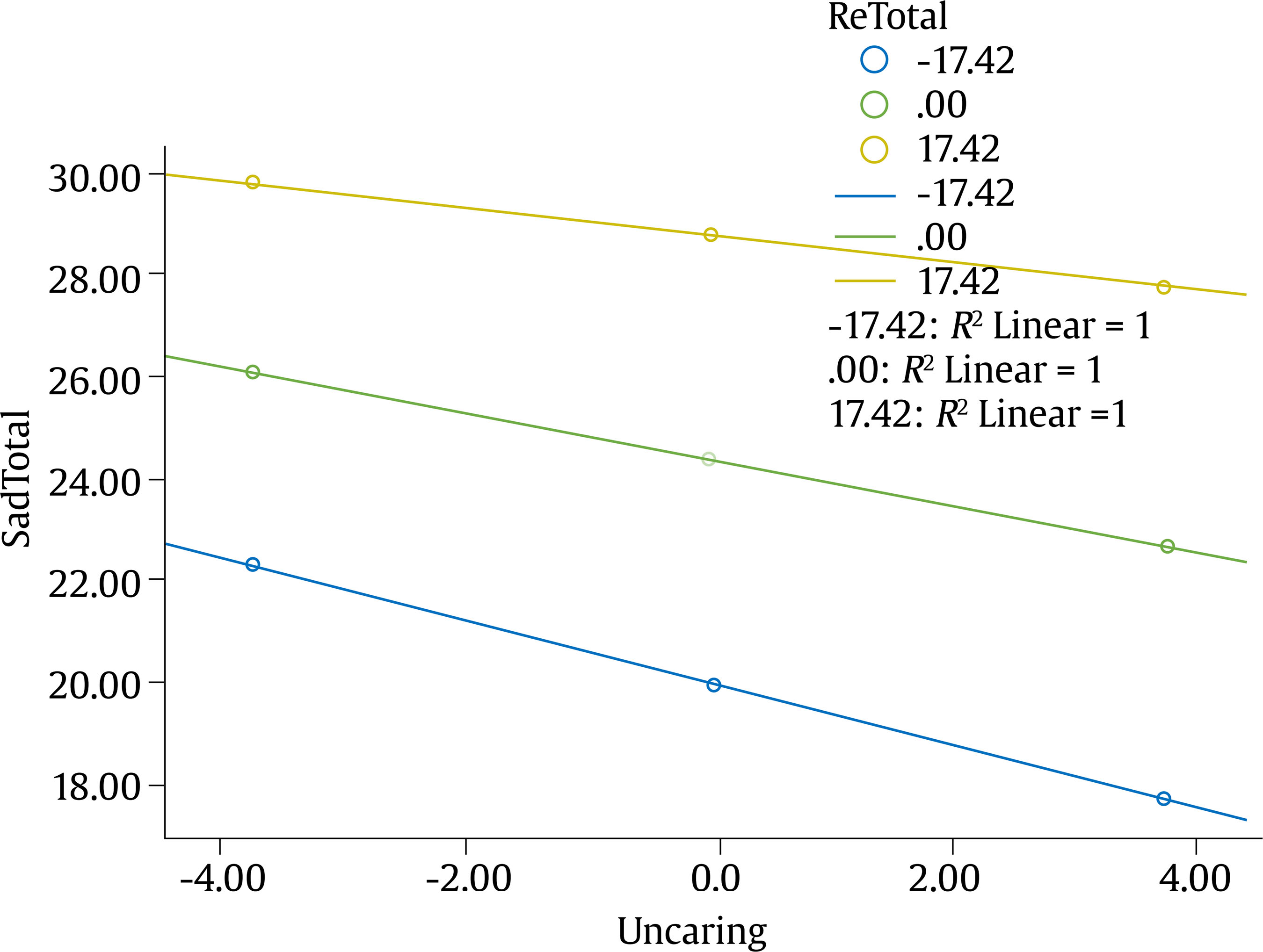 Table 9 and Figure 8 illustrate the moderating role of revenge tendencies between unemotional and sadistic individuals, while controlling for gender effects. Findings confirmed that revenge tendencies moderated the relationship between unemotional and Sadism among police constables. The value of R2 = .64 indicates that the predictors explain 64% of the variance in the outcome variable. The value of ΔR2 is .05, which explains a variance of 5% due to the additional effect of sadism. The findings indicate that unemotional, revenge tendencies, and unemotional × revenge tendencies have a significant moderating effect on sadism. A significant interaction was found between unemotional and revenge tendencies, indicating that the effect of callousness on sadism varied by level of revenge. Specifically, the effect was significant at all three levels of revenge: low, medium, and high. This suggests that individuals with high unemotional traits are more likely to engage in sadism when they also have high revenge tendencies. Table 9 Moderation of Revenge Tendencies between Unemotional and Sadism among Police Constables (N = 160) 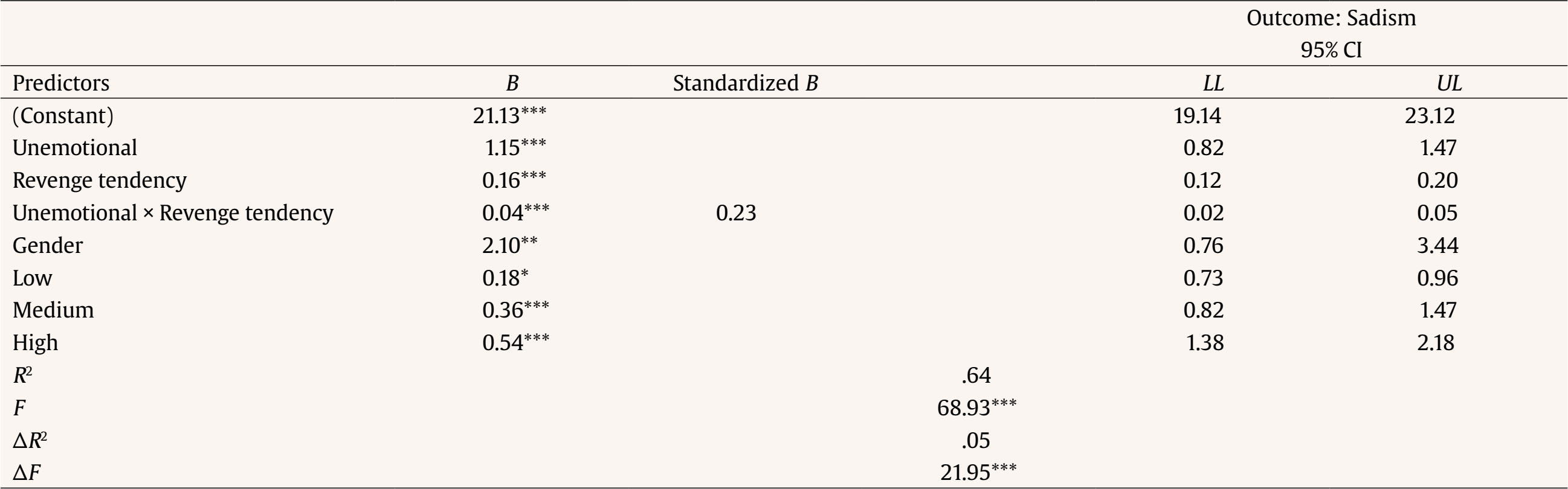 *p < .05, **p < .01, ***p < .001. Figure 8 Mod-Graph Showing Moderating Effects of Revenge Tendencies between Unemotional and Sadism among Police Constables. 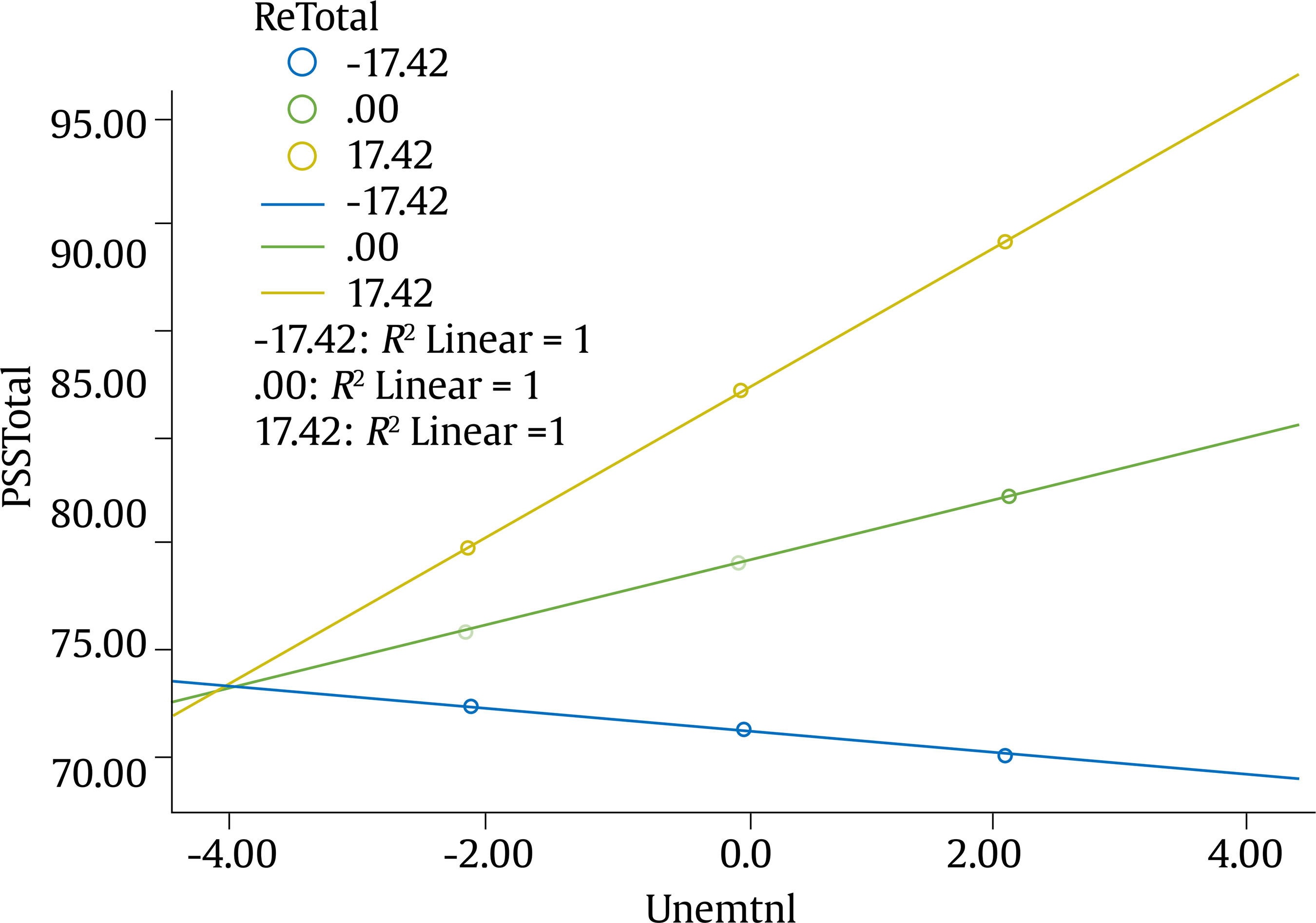 The current study was conducted to assess the interrelatedness between callous-unemotional traits, tendencies towards revenge, inclinations towards sadism, and experiences of schadenfreude to establish a positive correlation among these psychological dimensions. One of the strengths of this study is that we accounted for sex differences in our analyses. By controlling for sex, we were able to evaluate better how empathy, CU traits, and the dark triad influence antisocial and prosocial behaviors. This approach helps reduce the chance of confounding effects, ensuring that our results are not solely due to underlying differences between males and females. Our findings highlight the importance of including sex as a factor in psychological research, especially in mediation and moderation models, where ignoring it could lead to incorrect conclusions. The primary purpose of this study is to investigate the moderating role of revenge tendencies in the relationship between callous-unemotional traits, schadenfreude, and sadism among police constables. The results showed that the role of revenge tendencies has a significant moderating effect, antagonistic to the relationship between CU, schadenfreude, and sadism (Tables 2 and 3). Previous studies support this research question. In line with the findings of the current study, previous literature and empirical evidence have revealed that the trend of revenge refers to an internal motivation to retaliate against someone, which is considered a response to a perceived loss or injustice (McCullough et al., 2001). These trends can be sharp in how CU symptoms appear, especially when it comes to aggressive or harmful behavior. In people with high CU symptoms, a strong desire to take revenge can push them towards the tasks that they would otherwise avoid. For example, they can witness painful acts or take pleasure in someone else’s downfall, which may be a proper form of vengeance (Chester & DeWall, 2017). This suggests that revenge can play an important modeling role, showing whether CU symptoms give rise to emotionally different apathy or active cruelty. When emotional coolness is paired with a strong drive for retaliation, the result can be more intentional, harmful behavior, such as sadism or schadenfreude (Paulhus & Dutton, 2016). Understanding this conversation can help explain why some individuals with CU symptoms are inactive, while others act in a harmful manner. Berko (2015) highlights the intricate relationship between callous-unemotional traits and aggressive behaviors. However, specific investigations directly exploring the role of revenge tendencies as a moderator in this association are scarce. Moreover, studies by Buckels (2023) emphasize negative correlations between everyday sadism, psychopathy, and specific personality measures. This suggests a nuanced interplay among these traits, which may influence behaviors and reactions. While the literature underscores the individual links between callous-unemotional traits, sadism, and aggressive behaviors, a comprehensive exploration of revenge tendencies as a moderating factor is lacking. Ogunfowora (2022) discusses the mediating effects of organizational politics but does not directly address the interaction among revenge tendencies, callous-unemotional traits, and sadism. The investigation into the moderating effects of revenge tendencies on the relationship between callous-unemotional traits and schadenfreude provides insights into the intricate interplay of psychological constructs. Sawada and Hayama (2012) focuses on revenge tendencies and their connection to emotions such as anger and schadenfreude. However, the direct relationship between revenge, callous-unemotional traits, and schadenfreude remains to be extensively explored. Additionally, traits such as callous-unemotional characteristics and psychopathic tendencies have been associated with reduced emotional responses, while schadenfreude denotes pleasure derived from others’ misfortunes (Buckels et al., 2023). This study provides strong evidence that revenge tendency significantly reduces the relationship between CU symptoms and both schadenfreude and sadism. However, to fully appreciate the effects of this moderation, it is necessary to consider the impact within an applied psychological framework, especially in a high-stress professional environment such as law enforcement. In applied psychology, mediators are more than statistical interactions; they represent psychological or conditional conditions that affect how personality symptoms are practically expressed (Anderson et al., 2018; Baron & Kenny, 1986; Van Dijk et al., 2008). In this study, revenge tendency serves as a motivational amplifier, especially in contexts of emotionally charged or collision, where CU was found in the latent emotional contingent associated with symptoms. The general aggression model (GAM) (Anderson & Bushman, 2002) provides a theoretical framework for understanding this conversation. The model suggests that personality symptoms (CU symptoms), inner state (anger and desire for revenge), and situational signs (provocation or perceived injustice) interact to influence and stimulate, ultimately producing aggressive or antisocial behavior (Anderson & Bushman, 2002). Within this structure, the inspiration for revenge acts as an internal conditional factor, which separates individuals in a morally disintegrated or hostile manner. Our findings support this process: CU symptoms were not a strong predictor of schadenfreude or sadism in isolation; however, when high revenge is combined with inspiration, they make a significant prediction of both outcomes (Asim, 2018). This interaction suggests that revenge acts as a psychological “trigger”, which unlocks the practical manifestation of symptoms that may otherwise remain inactive. These conclusions align with pre-research, indicating that individuals with high CU symptoms are more likely to exhibit aggressive or decent behavior when they perceive injustice or feel threatened (Chester & DeWall, 2017; Paulhus & Dutton, 2016). In terms of policing, it has dynamic practical relevance. Law enforcement officers often work in an environment where alleged disrespect, danger, or non-renewal often occurs, which can cause intense emotional and cognitive reactions (Forero et al., 2009; Prochniak, 2012). For constables with high CU symptoms, these moments cannot be integrated with sympathy or moral conflict; however, if they tend to take revenge, they can view such situations as opportunities to restore perceived dominance or fairness through vengeance (McCullough et al., 2001; Rosen, 2007). Thus, the revenge tendency not only operates as a personal difference but also acts as a situationally active, morally disruptive mechanism that can shape the professional behavior of officers with CU symptoms. From the moderation analyses, the results provide a complex insight into how revenge propensities interface with different dimensions of callous-unemotional (CU) traits—i.e., callousness, uncaring, and unemotional—predicting sadism and schadenfreude in police constables. In particular, revenge tendencies strongly moderated the associations between callousness and sadism, uncaring and schadenfreude, and unemotional traits with both schadenfreude and sadism, indicating that individuals with these CU traits are more likely to exhibit detrimental emotional or behavioral reactions when motivated by revenge. Nonetheless, no substantial moderation emerged for the link between callousness and schadenfreude, or for uncaring and sadism, such that not every CU factor combines in the same manner with revenge. These results support the perspective that revenge is a conditional psychological precipitant that amplifies the effect of affective impairments on antisocial outcomes selectively based on the particular CU factor and situation (Vinding et al., 2008; 2014). This distinction highlights the value of approaching CU traits as a multidimensional concept. It emphasizes revenge tendencies as a key moderator that can be used to identify the most vulnerable individuals who are likely to engage in retaliatory, morally disengaged conduct within policing contexts (Frick et al., 2014). While this study makes valuable contributions, it also has important limitations that may impact the understanding and applicability of the results. Firstly, the study employed a cross-sectional research design, which inherently limits the ability to establish causal relationships between the phenomena in question. Although the study’s findings point to some important connections, such as the moderating role of revenge tendencies on the impact of callous-unemotional (CU) traits on sadism and schadenfreude, it would be incorrect to assume that these relationships are unidirectional or that one determines the cause of the other. It is essential to conduct longitudinal studies to determine whether CU traits and revenge tendencies develop prior to the manifestation of sadistic or schadenfreude behaviors over time, or whether those traits become more pronounced as they interact. Secondly, the sample size was sufficient for the moderation analyses using Hayes’ PROCESS macro and, as such, had the statistical power to capture significant interactions. However, the sample’s homogeneity (drawn from a single province and mainly consisting of junior officers) might conceal important within-group variability. A larger, more heterogeneous sample, such as officers from other provinces, individuals with diverse occupations, or those with varying years of service, could help validate the current study’s findings and increase its external validity. Thirdly, we used self-report measures to assess all variables, including CU traits, revenge tendencies, schadenfreude, and sadism. Although these are well-validated measures, self-reports are always susceptible to social desirability biases, which may be particularly likely in a hierarchical and formal organization like a police force, where concerns about judgment, authority, and monitoring may influence how officers self-report their tendencies. Future studies would benefit from using additional or alternative measures of antisocial behavior, such as peer reports, supervisor reports, or behavioral tasks. Finally, our study is situated in a specific cultural and occupational context (i.e., the Pakistani policing system) that might uniquely shape how revenge, emotional detachment, or aggression are construed. Although this limitation is also an important strength of the current study (enabling the investigation of these constructs in a Pakistani sample), it also complicates the ability to make causal inferences or generalize findings to other populations. Future studies could address this limitation by incorporating other occupational and cultural samples for cross-cultural comparisons or by adding relevant socio-institutional moderators to the current model (e.g., departmental culture, exposure to violence, or political influence). Implications From a practical perspective, the evidence suggests multiple areas for intervention within police organizations. First, screening and selection: psychological evaluation during recruitment should assess both characteristic-level risk (CU symptoms) and the motivation to take revenge; psychological screening during recruitment and promotion can target individuals with high CU traits or revenge tendencies to provide tailored support, supervision, and favorable structural guidance, instead of punitive isolation, due to the nature of these traits. Second, training and intervention: focused on emotional regulation, taking revenge, and moral arguments should be integrated into police training to prevent emotionally separated individuals from resorting to retaliation. Anger control, cognitive reappraisal, and stress management, as well as other emotional regulation strategies, should be part of training and on-the-job support systems. This research can help identify potential psychological risk factors that may contribute to unethical behavior or misconduct. By examining these traits and tendencies, we gain valuable insights into the factors influencing police officers’ actions and decision-making. This study can inform the development of targeted interventions and training programs to support the needs of individuals with disabilities. Ultimately, the goal is to enhance our understanding of these psychological factors and their impact on police conduct, thereby promoting a safer, more ethical, and supportive environment within law enforcement agencies. This, in turn, can foster greater trust and collaboration between law enforcement and the communities they serve. These interventions are important in the context of Pakistan, where policing is done in an environment of public distrust, systematic institutional strain, and cultural acceptance of retributive justice. Conflict of Interest The author of this article declares no conflict of interest. Cite this article as: Asim, M., & Malik, S. (2026). Callous unemotional traits, schadenfreude, and sadism: Moderating role of revenge tendencies. Anuario de Psicología Jurídica, 36, Article e260474, 1-10. https://doi.org/10.5093/apj2026a7 References |
Cite this article as: Asim, M. & Malik, S. (2026). Callous Unemotional Traits, Schadenfreude, and Sadism: Moderating Role of Revenge Tendencies. Anuario de Psicología Jurídica, 36, Article e260474. https://doi.org/10.5093/apj2026a7
Correspondence: drsadiamalik13@gmail.com (S. Malik).Copyright © 2026. Colegio Oficial de la Psicología de Madrid


Herramientas:
 PDF
PDF e-PUB
e-PUB CrossRef
 JATS
JATS Imprimir
 Enviar
ALERTA POR E-MAIL
La Revista de Anuario de Psicología Jurídica está distribuida bajo una licencia de Creative Commons Reconocimiento-NoComercial-SinObra Derivada 4.0 Internacional.com