Enhancing Suicide Risk Detection in Police Officers: Psychometric Properties and Standardization of the VRS-PN
[La mejora de la detección del riesgo de suicidio en agentes de policía: propiedades psicométricas y estandarización del VRS-PN]
José E. Gutiérrez-Jurado1 & Sonia J. Romero Martínez2
1Universidad Nacional de Educación a Distancia - UNED, Policía Nacional, Spain; 2Universidad Nacional de Educación a Distancia – UNED, Spain
https://doi.org/10.5093/apj2026a15
Received 21 April 2025, Accepted 27 January 2026
Abstract
This study presents the psychometric properties and standardization of the Suicide Risk Assessment Scale for the National Police (VRS-PN), a psychometric tool specifically designed to evaluate suicide risk among Spanish National Police officers. The validation and standardization process involved a psychometric analysis with a sample of 652 officers, categorized into risk and non-risk groups. The study utilized exploratory and confirmatory factor analysis, resulting in a robust factorial structure comprising eight key factors. Normative benchmarks were established, and reliability and validity indices were determined. The ROC curve analysis demonstrated an 84.3% discrimination capacity between groups, confirming the scale’s diagnostic parameters. A significant advancement of the VRS-PN is the incorporation of response validity scales, addressing bias factors such as simulation (malingering) and dissimulation, which are critical in high-risk occupational settings like law enforcement. These scales enhance the accuracy of suicide risk assessment, a feature rarely integrated into traditional suicide screening tools. Unlike generalist instruments, the VRS-PN is tailored to the unique psychological, organizational, and cultural characteristics of police officers, ensuring greater specificity and applicability. The findings suggest that this scale is a robust and reliable tool for detecting suicide risk within this high-impact professional group. Future research should explore its applicability across other security forces to expand its utility in law enforcement psychological evaluation.
Resumen
Este estudio presenta las propiedades psicométricas y la estandarización de la Escala de Evaluación del Riesgo de Suicidio en la Policía Nacional (VRS-PN), una herramienta psicométrica diseñada específicamente para evaluar el riesgo de suicidio en agentes de la Policía Nacional Española. El proceso de validación y estandarización implicó un análisis psicométrico con una muestra de 652 agentes, categorizados en grupos con riesgo y sin riesgo. El estudio utilizó el análisis factorial exploratorio y confirmatorio, dando lugar a una estructura factorial robusta compuesta por ocho factores clave. Se establecieron puntos de referencia normativos y se determinaron los índices de fiabilidad y validez. El análisis de la curva ROC demostró una capacidad de discriminación entre grupos del 84.3%, lo que confirma los parámetros diagnósticos de la escala. Un avance significativo de la VRS-PN es la incorporación de escalas de validez de respuesta, que abordan factores de sesgo como la simulación y el disimulo, que son críticos en entornos laborales de alto riesgo como las Fuerzas de Seguridad del Estado. Estas escalas mejoran la precisión de la evaluación del riesgo de suicidio, una característica rara vez integrada en las herramientas tradicionales de cribado del suicidio. A diferencia de los instrumentos generalistas, la VRS-PN se adapta a las características psicológicas, organizativas y culturales únicas de los agentes de policía, lo que garantiza una mayor especificidad y relevancia. Los resultados sugieren que esta escala es una herramienta robusta y fiable para detectar el riesgo de suicidio en este grupo profesional de gran impacto. Investigaciones futuras deberían explorar su relevancia para otras fuerzas de seguridad para ampliar su utilidad en la evaluación psicológica policial.
Palabras clave
Suicidio, Riesgo de suicidio, Salud mental, Riesgo de suicidio laboral, Policía, Fuerzas de seguridadKeywords
Suicide, Suicide risk, Mental health, Work-related suicide risk, Police, Law enforcementCite this article as: Gutiérrez-Jurado, J. E. & Romero Martínez, S. J. (2026). Enhancing Suicide Risk Detection in Police Officers: Psychometric Properties and Standardization of the VRS-PN. Anuario de Psicología Jurídica, 36, Article e260482. https://doi.org/10.5093/apj2026a15
Correspondence: josgutierrez@madridsur.uned.es (J. E. Gutiérrez Jurado).Police suicide in Spain is a multifactorial phenomenon influenced by personal, institutional, and sociocultural factors. Exposure to occupational stress, trauma, and the stigma surrounding seeking help may increase the risk (Demou et al., 2020; Papazoglou & Tuttle, 2018; Violanti et al., 2017). However, there is a lack of empirical data on Spanish law enforcement. Recent studies of the Guardia Civil recommend exercising caution when interpreting occupational suicide rates, emphasising the need for context-specific assessment tools (Giner et al., 2025; González del Campillo et al., 2023). Together with the limitations of general population scales, these gaps justify the development of a culturally adapted instrument with embedded response validity indicators. What specific characteristics make this population require tailored assessment instruments? The answer lies in the unique nature of their work environment, which is characterized by high psychological demands (Ruiz-Ruano et al., 2023), firearm handling (Hawton et al., 2024; Houtsma et al., 2018), frequent exposure to traumatic situations (Papazoglou & Tuttle, 2018), and potential response biases that can hinder an accurate risk assessment (Kreitchmann et al., 2019) The present study focuses on the psychometric validation of an instrument specifically designed for this professional group: the Suicide Risk Assessment Scale for the National Police (VRS-PN). While other existing tools have been developed for general (Beck et al., 1979; Blasco-Fontecilla et al., 2012; Choi et al, 2022; Harris et al., 2021; Plutchik et al., 1989; Posner et al., 2011), the VRS-PN addresses the need for an instrument that considers the cultural, organizational, and psychological particularities of Spanish National Police officers. Recent systematic reviews of suicide-related measurement tools have succeeded in highlighting the diversity of tools currently available in the mechanised age, ranging from implicit cognition tests to attitude measures. However, none of these tools are necessarily appropriate for Spanish law enforcement officers, who are the focus of this paper (Díaz et al., 2025; Moreno et al., 2022). These findings reinforce the importance of developing and validating assessment techniques tailored to the cultural environment and professional realities of Spanish police officers. Additionally, it includes specific validity scales for response biases, such as simulation and dissimulation, aspects that are often overlooked in other suicide risk assessment tools. Measuring response biases in suicidal behaviour represents a crucial and innovative advancement in psychological assessment within this field. Within Legal Psychology, and therefore in Police Psychology, it is essential to have valid, reliable, and contextually appropriate measurement tools to ensure accurate and well-founded evaluations. The development of psychometric tests should follow a systematic procedure to guarantee that these tools precisely assess what they are intended to measure (Muñiz & Fonseca-Pedrero, 2019). Moreover, understanding the scores given by the evaluated individuals does not only depend on the quality of the instrument but also on having appropriate normative benchmarks for meaningful analysis (Muñiz, 2018). The standardization of a test is crucial in its development to ensure that scores are comparable and to enhance the clinical and forensic utility of the instrument (Echeburúa et al., 2011). The VRS-PN is an innovative and specialized tool designed to assess suicide risk in a highly vulnerable population: police officers. Police work is characterised by occupational and psychosocial stressors that can increase vulnerability to mental health problems. Nevertheless, empirical evidence indicates that officers generally display resilience and adaptive functioning supported by institutional and social resources. Research has highlighted the role of organisational support in fostering recovery (Emeriau-Farges et al., 2019) and the potential for positive growth following traumatic experiences when such support is available (Demou et al., 2020). Therefore, assessments in policing should address both vulnerability and protection processes (Viegas & Henriques, 2021). In line with this dual perspective, the VRS-PN incorporates indicators of psychological pain and hopelessness, together with response-validity checks designed to detect exaggeration and dissimulation typically observed in occupational evaluations. Standardization aims to ensure that scores obtained in different situations and over time are comparable and can be analyzed in relation to a representative reference group. This process involves guaranteeing consistent test administration, obtaining reliable comparisons, confirming reliability and validity, establishing reference norms, and monitoring external factors that may influence results. Ensuring that a psychometric test is standardized requires following clear guidelines for its administration, scoring, and analysis, as well as collecting reference data to assess individual scores (American Educational Research Association, American Psychological Association, & National Council on Measurement in Education., 2014). This not only enables score comparisons between individuals but also minimizes the influence of factors such as test administration and scoring procedures, which can affect outcomes (Muñiz & Fonseca-Pedrero, 2019). The reliability and validity evidence of the VRS-PN is a key objective in the standardization process. The reliability of a test indicates how consistently it produces repeatable results, whereas validity focuses on its accuracy in measuring what it is intended to assess. Establishing reference standards is crucial to interpreting the scores obtained from the VRS-PN. These standards facilitate the understanding of an individual’s scores at a given time in relation to others within a comparison group, thereby simplifying decision-making based on clinical and empirical data. Additionally, these criteria can be used to identify specific categories within the national police force that may require more complex or personalized interventions based on their individual needs. Moreover, consistency in administration helps mitigate the influence of external factors that could affect the outcomes of psychological assessments. These variables include age, years of service, sex, and geographic location, all of which may interact with the characteristics assessed by the VRS-PN and introduce distortions in evaluation results. Recognizing and managing these variables is crucial to ensuring fairness and accuracy in score interpretation (Hernández et al., 2020). The standardization of the VRS-PN not only represents a critical technical advancement in ensuring the instrument’s excellence but also carries significant ethical and practical implications. Within the National Police, where decisions based on clinical and occupational assessments can have immediate consequences for officers’ lives, it is imperative that the quality of the instrument used remains a fundamental component. The current state of research on suicide within law enforcement agencies reveals a significant lack of specific instruments tailored to the characteristics of security forces, particularly Spanish national police officers. This gap becomes evident when comparing traditional tools—designed for general populations—with the unique context of the Spanish police force. In this regard, the VRS-PN represents a necessary advancement aimed at assessing suicidal behavior within a distinct professional group, one characterized by an organizational culture that often hinders the open expression of psychological distress (Bell & Palmer-Conn, 2018). The assessment of psychosocial factors within the context of the Spanish National Police highlights the critical impact of occupational stress on this population. Police officers exposed to extreme job demands, such as violence or traumatic events like suicides, often face severe psychological consequences that increase the risk of mental disorders and suicidal behaviors (Demou et al., 2020; Emeriau-Farges et al., 2019). Shift work and high professional responsibilities contribute to significant emotional exhaustion, a pattern also observed in military and public security settings (Vega-Escaño et al., 2020; Viegas & Henriques, 2021). Repeated exposure to traumatic events can lead to secondary and vicarious trauma (Violanti et al., 2018). Additionally, frequent contact with violence may result in progressive desensitization (Velasco et al., 2023; White et al., 2025), making it more difficult to identify underlying mental health issues early on. This accumulated stress not only increases psychological vulnerability but is also associated with issues such as substance abuse and diminished coping abilities (Blumberg et al., 2020). A critical analysis of these findings underscores the urgent need for more adaptive occupational and health policies focused on prevention. Among the psychosocial factors associated with suicide risk in this group are disruptions in romantic relationships, financial instability, interpersonal and intrapersonal conflicts (Krishnan et al., 2022), as well as behaviours such as impulsivity (Galanis et al., 2021; Rasmussen et al., 2024), hopelessness (Civilotti et al., 2022), social isolation (Violanti et al., 2009), and substance use. Psychological pain, assessed as a key component of the VRS-PN, allows for a significant distinction between national police officers at risk of suicide and those without suicide risk. Furthermore, interpersonal conflicts among colleagues and superiors contribute to a hostile work environment (Gill et al., 2023), diminish perceptions of institutional support, and exacerbate feelings of worthlessness and hopelessness (Velasco et al., 2023). In the suicide risk group, intrapersonal suicidal ideation—encompassing persistent thoughts about personal suffering—emerges as a particularly prevalent and significant factor (Violanti & Steege, 2021). It is essential to emphasize that these factors do not act in isolation but rather interact with each other and the work environment, intensifying suicide risk among national police officers. This underscores the need for comprehensive and contextually sensitive interventions (García-Haro et al., 2023). The conceptual framework on suicidal behaviour in occupational contexts such as law enforcement is grounded in modern theories, including the Interpersonal-Psychological Theory (Joiner, 2005), the Three-Step Theory (Klonsky & May, 2015), and the Motivational-Volitional Theory (O’Connor, 2011). O’Connor, through his Motivational-Volitional Model, emphasizes that occupational stress can act as a triggering factor for suicide attempts, particularly when it interacts with preexisting factors such as trauma or low self-esteem (Milner et al., 2017). Meanwhile, Klonsky and May’s (2015) Three-Step Theory highlights that the high-pressure environment of police officers can facilitate a rapid transition from passive to active suicidal ideation, exacerbated by access to lethal means and the absence of strong protective factors (Hoyt et al., 2020). Finally, Joiner’s (2005) Interpersonal-Psychological Theory laid the foundation for a significant expansion of empirical research addressing interpersonal relationships as a primary factor in the onset of suicidal ideation (Blaya, 2023). These theories are part of the broader ideation-to-action framework (Klonsky & May, 2015; Klonsky et al., 2021). They serve as fundamental theoretical models for the design of the VRS-PN, which integrates key dimensions such as psychological pain, risk factors, behavioral tendencies, disconnection from the environment, and access to lethal means, among others. Theoretical models like these are essential for developing assessment tools with strong theoretical and predictive sensitivity. Psychological assessment using measurement instruments in the context of suicide risk within the National Police highlights the importance of specialized tools such as the VRS-PN, compared to traditional scales designed for the general population (Al-Halabí et al., 2016; Rubio et al., 1998). The VRS-PN stands out due to its ability to control response biases such as feigning and concealment—an essential feature in a setting where emotional suppression and a culture of resilience prevail. In this regard, Becerra-García (2016), González et al. (2010), Puente-López et al. (2024), and Torres-Brito et al. (2021) emphasize that incorporating items to detect inauthentic responses significantly enhances assessment accuracy, which is particularly relevant in fields where symptom concealment is common, such as law enforcement. However, studies indicate that only approximately 7% of officers seek psychological services, an alarmingly low figure that underscores the urgency of implementing accessible and culturally sensitive support systems within the organization (Velasco et al., 2023). Effective and open communication within the organization is also crucial to reducing stigma and fostering a more inclusive and responsive environment for officers’ mental health needs (Pinfold et al., 2003; Watson et al., 2004). The specialized approach of the VRS-PN addresses the limitations of scales designed for more general contexts, which often fail to account for these specific dynamics. For the above reasons, the objectives of this study are to standardize the VRS-PN in a representative sample of the National Police, to determine its underlying factor structure, to evaluate its psychometric properties, and to know the differences between groups. In addition, this study aims to calculate the specificity and sensitivity of the instrument to distinguish between national police officers at risk of suicide and those who, despite the time constraints of the service, remain on active duty without apparent risk of suicide. The VRS-PN demonstrated good discrimination and factorial coherence in a large police sample, with added value from response validity indicators. While no gold-standard comparison was included, future studies should contrast the VRS-PN with established scales, assess its predictive validity and decision utility, and test its measurement invariance across career stages and units. This provides an innovative, reliable, and culturally adapted approach to suicide risk assessment in this unique professional context. Design To achieve the aforementioned objectives, a cross-sectional, quantitative, and exploratory study design is proposed. Participants The study will include a representative sample of Spanish National Police officers. The selection process will aim to ensure diversity in key demographic and occupational variables, such as age, gender, years of service, and geographic location. Inclusion and exclusion criteria will be established to maintain the study’s validity and relevance. The sample was divided into two groups: a) the general police population group, with the inclusion criteria for this group being to be officers on active duty and b) the clinical population group, made up of officers on temporary incapacity. The inclusion criteria for this group is to have a diagnostic code from Chapter 5 of the International Classification of Diseases (World Health Organization, 1992). The sample was collected from twelve Jefaturas Superiores de Policía [Regional Police Headquarters] across Spain, including Eastern Andalusia, Western Andalusia, Aragon, the Canary Islands, Castilla-La Mancha, Castilla y León, Catalonia, Extremadura, Madrid, the Basque Country, and Valencia, as well as from Central Services. The study sample consists of 652 National Police officers, of whom 24.39% are women. The mean age of participants is 44.6 years (SD = 8.03), with the age range spanning from 24 to 64 years. For subsequent group comparisons, participants are categorized into four age groups: under 31, 31-40, 41-50, and over 50. Age bands were pre-specified to align with typical police career stages (probationary/early service, consolidation, mid-career, late-career) and to ensure adequate cell sizes for group comparisons and invariance testing. The mean years of service is 18.9 years (SD = 9.06). Instruments VRS-PN Scale This scale is a paper-based, booklet-format instrument. The first page collects sociodemographic data, followed by a brief explanation of the test and instructions for completion. The preliminary VRS-PN comprised 50 items across eight domains. Following EFA, 11 items were removed due to low primary loadings (< .30), salient cross-loadings, restricted variance, or theoretical misfit. The resulting 39-item form retained the eight domains for CFA. The subsequent pages contain these 39 items. Responses are provided using a Likert scale format (disagree, slightly agree, fairly agree, and completely agree). The constructs tested (and the number of items measuring them) are as follows: intrapersonal suicidal ideation (8), interpersonal suicidal ideation (3), suicidal intent (7), risk factors (3), access to lethal means (3), behavioral tendencies (3), simulation (6), and dissimulation (6). A custom-designed document outlining the essential information regarding the research study. It includes details on voluntary participation, the anonymization of responses, and the intended purpose of the collected data. Procedure Data collection was conducted within police department facilities across regional headquarters and central services, covering the period from April 2023 to February 2024. At each of the 12 regional headquarters and at Central Services researchers visited the various police departments in person to invite officers who were available during their working hours to participate. Selection was based on convenience sampling, seeking to maintain a balanced representation by gender, age group and years of service, in line with the overall structure of the police population. Participation was voluntary and anonymous, with no incentives offered and no repercussions in the workplace. First, they were given the informed consent form, followed by a copy of the VRS-PN. After completing the scale, all materials were returned to the examiner, marking the end of the administration process. Data Analysis Data analysis was conducted using R-Jamovi software, version 2.1.14. Descriptive statistics were calculated for the theoretical constructs, and reliability was assessed using Cronbach’s alpha (α), McDonald’s omega (ω) and composite reliability. Construct validity was evaluated through exploratory and confirmatory factor analyses (EFA and CFA). Additionally, group differences, normative data, and the sensitivity and specificity of the VRS-PN were analysed to further assess the psychometric properties of the proposed scale. For EFA, the maximum likelihood extraction method was used, combined with an oblimin rotation. To assess the fit of the model, several statistical criteria were considered. First, sampling adequacy was evaluated using the Kaiser-Meyer-Olkin (KMO) test, where values above .80 indicate good suitability for factor analysis, and Bartlett’s test of sphericity, which should be statistically significant (p < .05) to confirm sufficient correlations among items. Factor retention was determined using Horn’s parallel analysis, which compares observed eigenvalues with those obtained from randomly generated data, alongside the scree plot and Kaiser’s criterion (eigenvalues > 1). Factor loadings were examined, with values ≥ .40 considered meaningful and communalities above .50 preferred to indicate strong variable contributions. Model goodness-of-fit indices also were analysed, including root mean square error of approximation (RMSEA ≤ .08), Tucker-Lewis index (TLI ≥ .90), and standardized root mean square residual (SRMR ≤ .08), ensuring an acceptable model fit (Fabrigar & Wegener, 2012). To evaluate the model fit in confirmatory factor analysis (CFA), multiple goodness-of-fit indices were considered, following widely accepted recommendations. The chi-square test assesses the discrepancy between the observed and expected covariance matrices, where a non-significant result (p > .05) indicates a good fit; however, this test is sensitive to large sample sizes. Therefore, alternative indices were examined, such as the root mean square error of approximation (RMSEA), where values ≤ .05 indicate excellent fit, .05-.08 indicate acceptable fit, and > .10 suggest poor fit. Additionally, the comparative fit index (CFI) and Tucker-Lewis index (TLI) were used, with values ≥ .95 indicating excellent fit and ≥ .90 considered acceptable. The standardized root mean square residual (SRMR) was also examined, with values ≤ .08 reflecting an adequate model fit. These indices provide a comprehensive evaluation of model adequacy and are aligned with standard recommendations in psychometric validation studies (Hu & Bentler, 1999). Firstly, Table 1 presents the descriptive statistics of the constructs obtained in this sample. Most scores are concentrated around low values. The Shapiro-Wilk test indicates that the distributions do not conform to normality. Subsequently, Table 2 presents the internal consistency of the dimensions of the VRS-PN and the total scale. The total scale exhibits acceptable to good reliability (α = .856, ω = .908) and good composite reliability (.978). The results range from .178 to .916 for α, while ω values range from .394 to .922. Lower reliability in risk factors and dissimulation reflects their intentionally heterogeneous and short content, conditions under which α tends to underestimate consistency. Therefore, CR and ω were also reported, with model-based indices (loadings and AVE; Table 4) supporting adequate construct representation. Table 1 Descriptive Theoretical Constructs  Table 2 Reliability of the VRS-PN by Factors and Total Scale 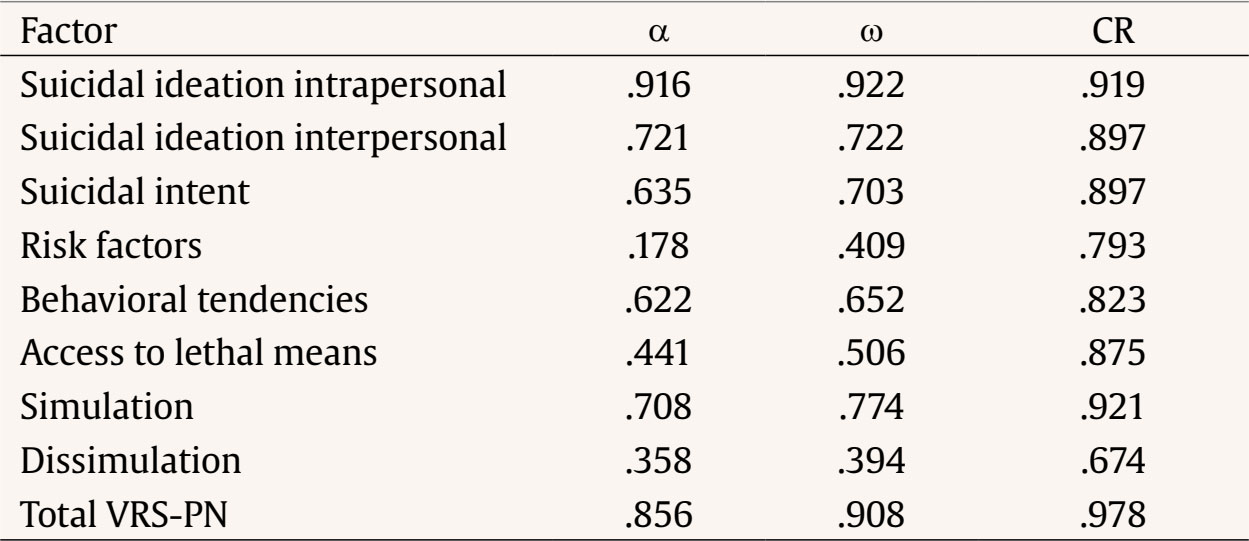 For collect evidence on construct validity an EFA was initially conducted to identify the underlying structure of the VRS-PN. Bartlett’s test of sphericity, χ2 = 11851(1225), p < .001, and the overall KMO index (.904) indicated that the data were suitable for factor analysis. The EFA revealed nine main factors, explaining 39.78% of the total variance. The fit statistics for this model are presented in Table 3. Table 3 Fit Index CFA  Table 4 Factorial Weights on Each Factor and AVE 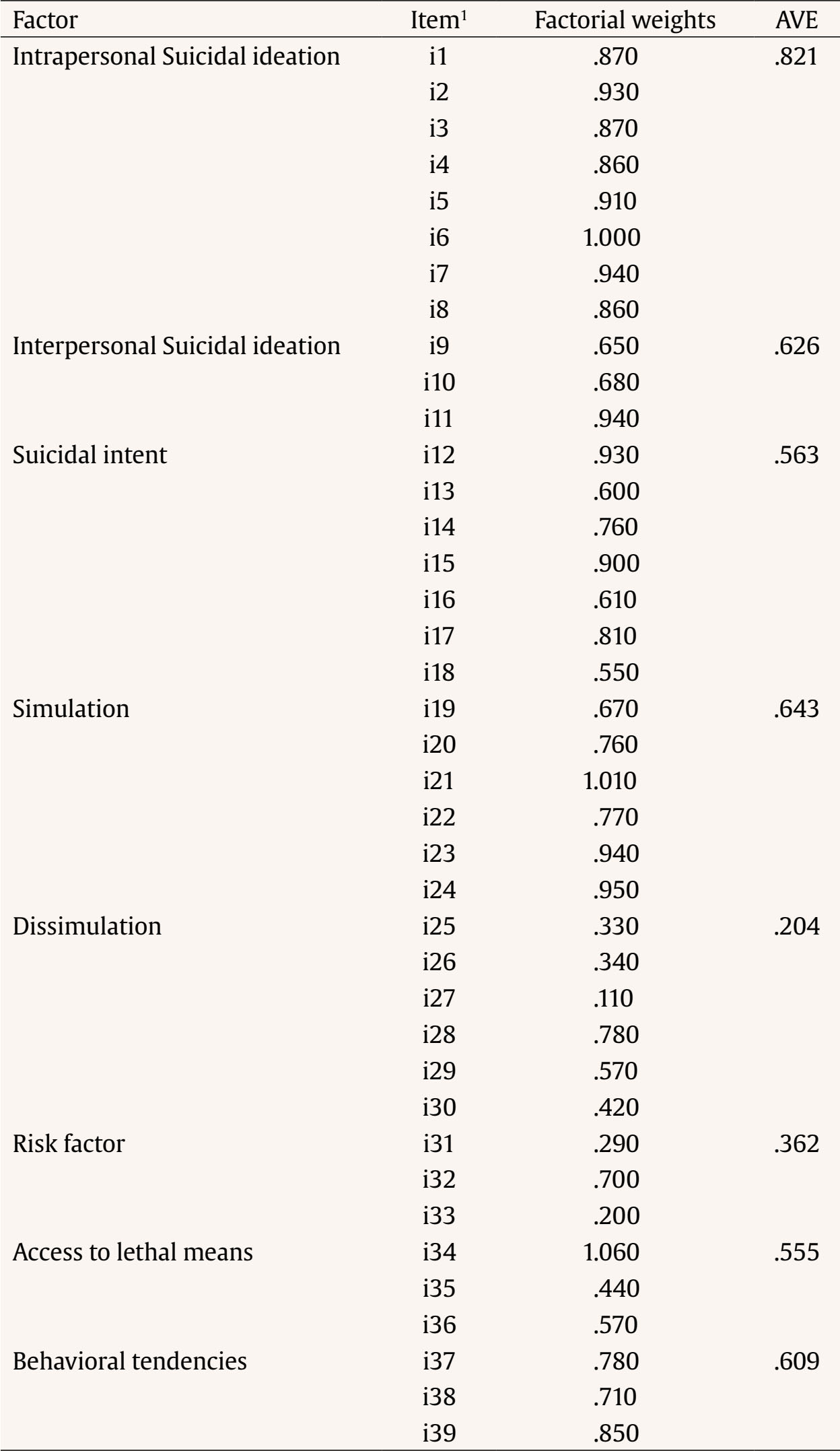 Note. 1Order of items does not correspond to those of the VRS-PN. Following the EFA, 11 items were removed due to methodological considerations. These included factor loadings below .30, indicating a limited contribution of the item to the factor (Jordan & Spiess, 2019), and significant cross-loadings, suggesting that the item does not clearly measure a single construct (Lloret-Segura et al., 2014; Thurstone, 1947). Additionally, some items exhibited low variability in their scores, meaning they did not provide useful information. Lastly, certain items demonstrated theoretical inconsistency with the factor on which they loaded highly, rendering them conceptually irrelevant. Based on these criteria, 39 items were retained for further analysis of the factorial structure of the VRS-PN. Subsequently, with the 39-item version of the VRS-PN, a CFA was conducted. For this analysis, the items were grouped based on the information obtained from the EFA. The fit indices for this model are presented in Table 3. After making the necessary modifications to the model, such as reorganizing latent variables in a way that better aligns with theoretical considerations, a final model was obtained. As a result, the model significantly improved its fit, as also shown in Table 4. The test for perfect fit yielded a value of χ2 = 4174(1125), p < .001. Additionally, the fit indices, including RMSEA (.042) and CFI (.985) indicate good fit; SRMR (.089) is marginal but consistent with large-model complexity. The analysis resulted in the identification of eight factors: intrapersonal suicidal ideation, interpersonal suicidal ideation, suicidal intent, risk factors, access to lethal means, behavioral tendencies, simulation, and dissimulation. Table 4 shows the factor loadings and average variance extracted (AVE) on each factor. Group Differences according to Sex, Age, Regions, and Risk-No Risk Groups Regarding the differences between groups, a one-way ANOVA was performed, complemented with the Kruskal-Wallis nonparametric test (Millsap & Meredith, 2007). The results, presented in Tables 5, 6, 7, and 8, indicate statistically significant differences in the following factors: Table 5 ANOVA Sex 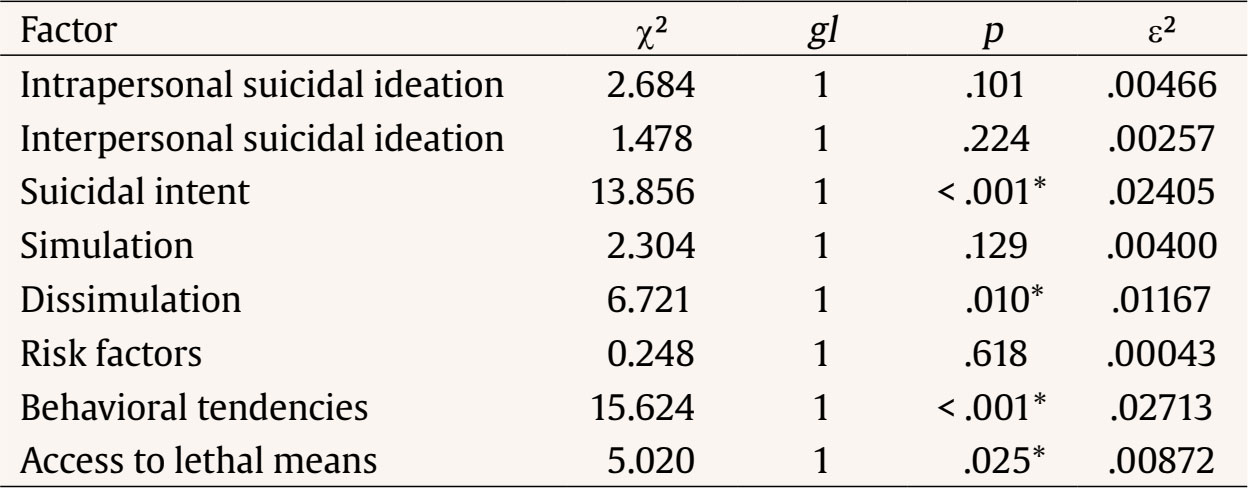 *p < .05. Table 6 ANOVA Age Range 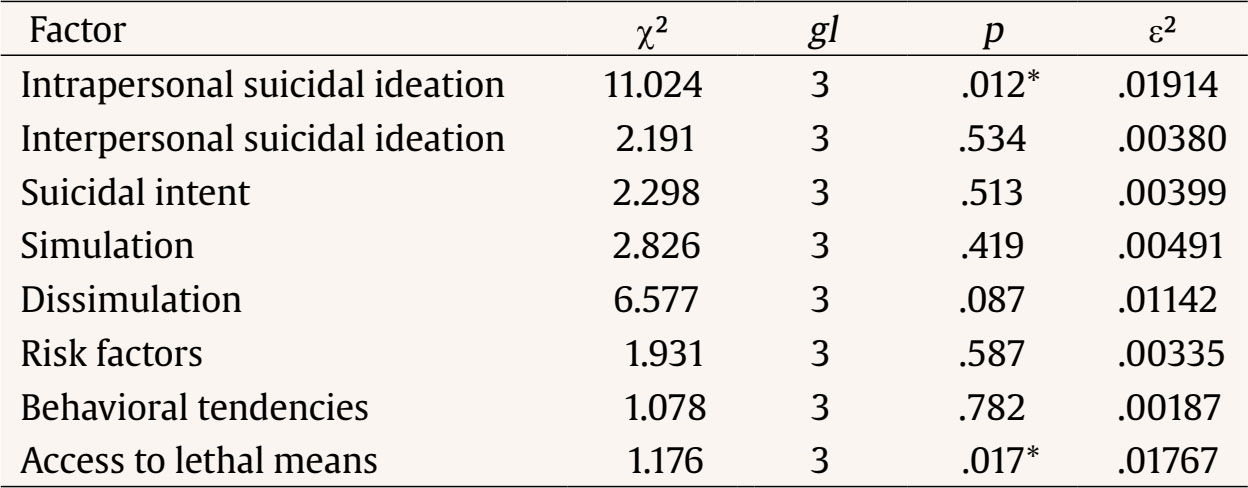 *p < .05. Table 7 ANOVA Regions 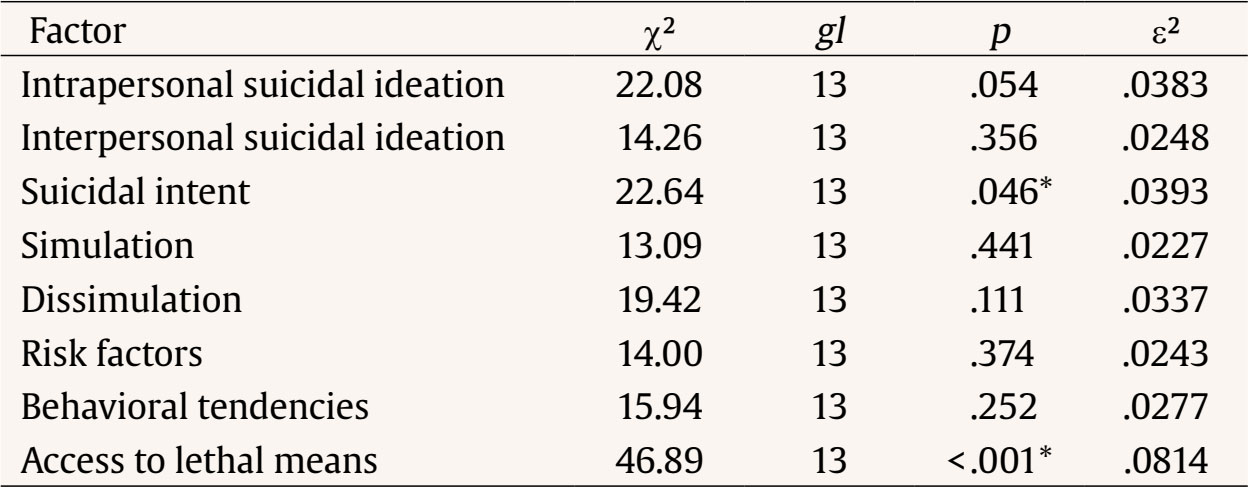 *p < .05. Differences according to Sex ANOVA analysis revealed statistically significant differences in Suicide attempts, χ²(1) = 13.856, p < .001, ϵ² = .0240; Dissimulation, χ²(1) = 6.721, p = .010, ϵ² = .01167; Behavioral tendencies, χ²(1) = 15.624, p < .001, ϵ² = .02713; and Access to lethal means, χ²(1) = 5.020, p = .025, ϵ² = .00872. Differences according to Age Range Significant differences were found in Intrapersonal suicidal ideation, χ²(3) = 11.024, p = .012, ϵ² = .01914; and Access to lethal means, χ²(3) = 1.176, p = .017, ϵ² = .01767. Differences by Geographic Region Analysis of variance showed statistically significant differences in Suicide attempts, χ²(13) = 22.64, p = .046, ϵ² = .0393; and Access to lethal means, χ²(13) = 46.89, p < .001, ϵ² = .0814. Differences according to Risk Group Differences were highly significant in all variables analyzed, obtaining moderate to large effect sizes for all factors in this group (Table 8). Table 8 ANOVA Risk-No Risk Group 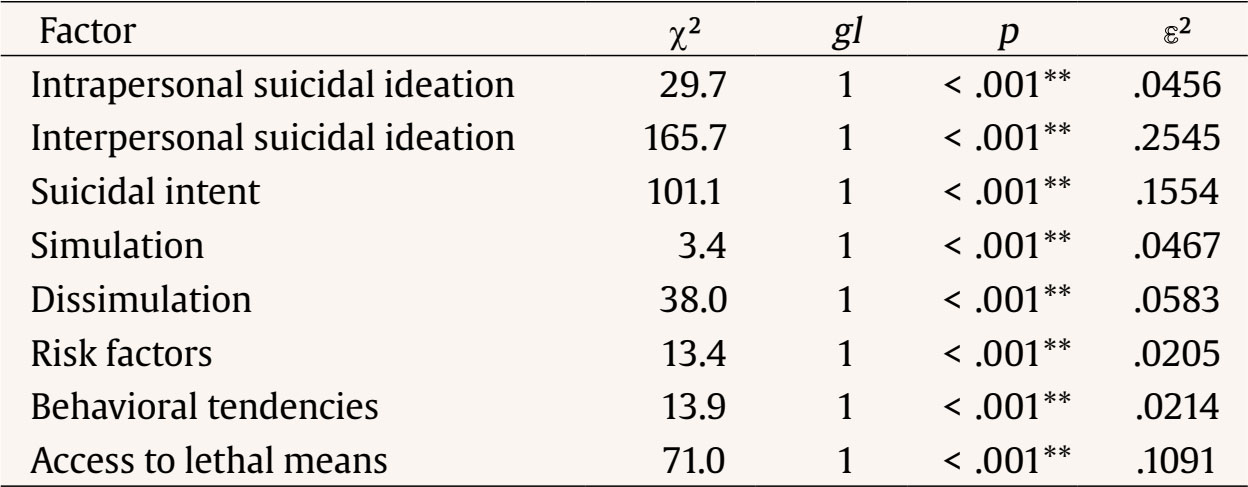 **p < .001. The most pronounced differences were found in risk group membership, where all the variables analyzed showed significant effects. Likewise, geographic region showed a significant impact on suicide attempts and access to lethal means. Sex and age range also influenced certain variables, mainly behavioral tendencies, suicide attempts, dissimulation, and intrapersonal suicidal ideation. Despite significant differences between groups, significant differences with moderate to large effect sizes only occur in the risk-no risk group. This implies the need to create a differentiated scale between these groups, which does not need to be calculated for the other groups. Norms The standards calculated were based on the statistical significant differences found with moderate and large effect sizes. Therefore, percentile tables were generated for the at-risk and no-risk groups, with no need to establish separate norms according to sex, geographic regions, or age group. Percentiles (Pc1 to Pc99) for both groups were calculated, obtaining higher scores for the risk group than for the non-risk group, regarding percentiles. Due to the sensitive nature of the sample and the risk of coached responses, full percentile tables are withheld. However, norms (Pc1 to Pc99) are available upon a justified institutional request. Sensitivity and Specificity The receiver operating characteristic (ROC) curve was computed using the method of maximizing sensitivity and specificity (López-Ratón et al., 2014). The cut-off point was determined by identifying the highest sum of sensitivity and specificity, allowing for a tolerance margin of .076. The ROC curve analysis revealed an area under the curve (AUC) of .843 (95% CI [.796, .890]) (Figure 1). As mentioned previously, the optimal cut-off point was identified at .076 (Figure 2), with a sensitivity of 77.3% and a specificity of 76.3%. Additionally, the calculation of Youden’s index yielded a value of .536. Figure 1 ROC Curve. 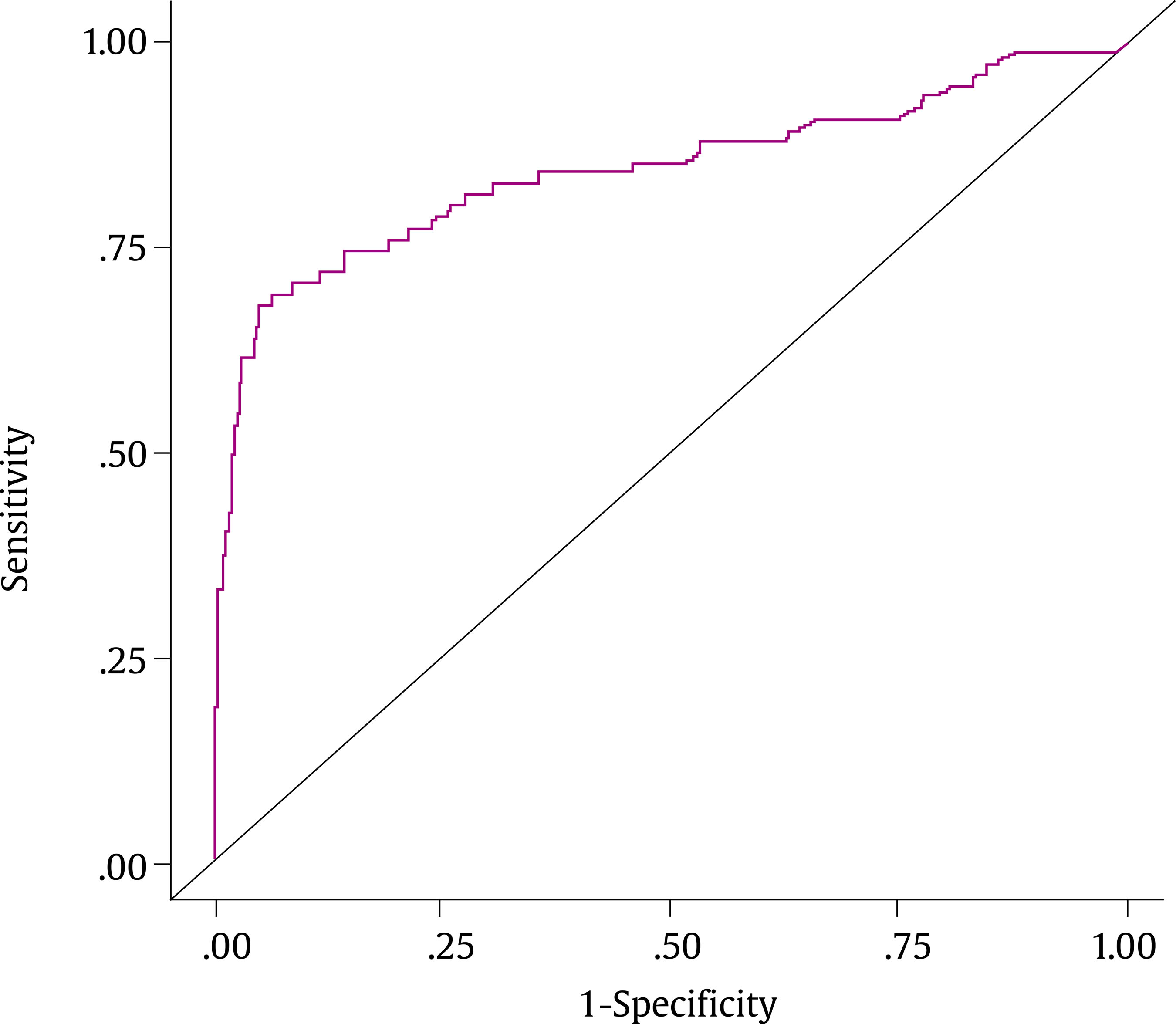 Figure 2 Specificity and Sensitivity. 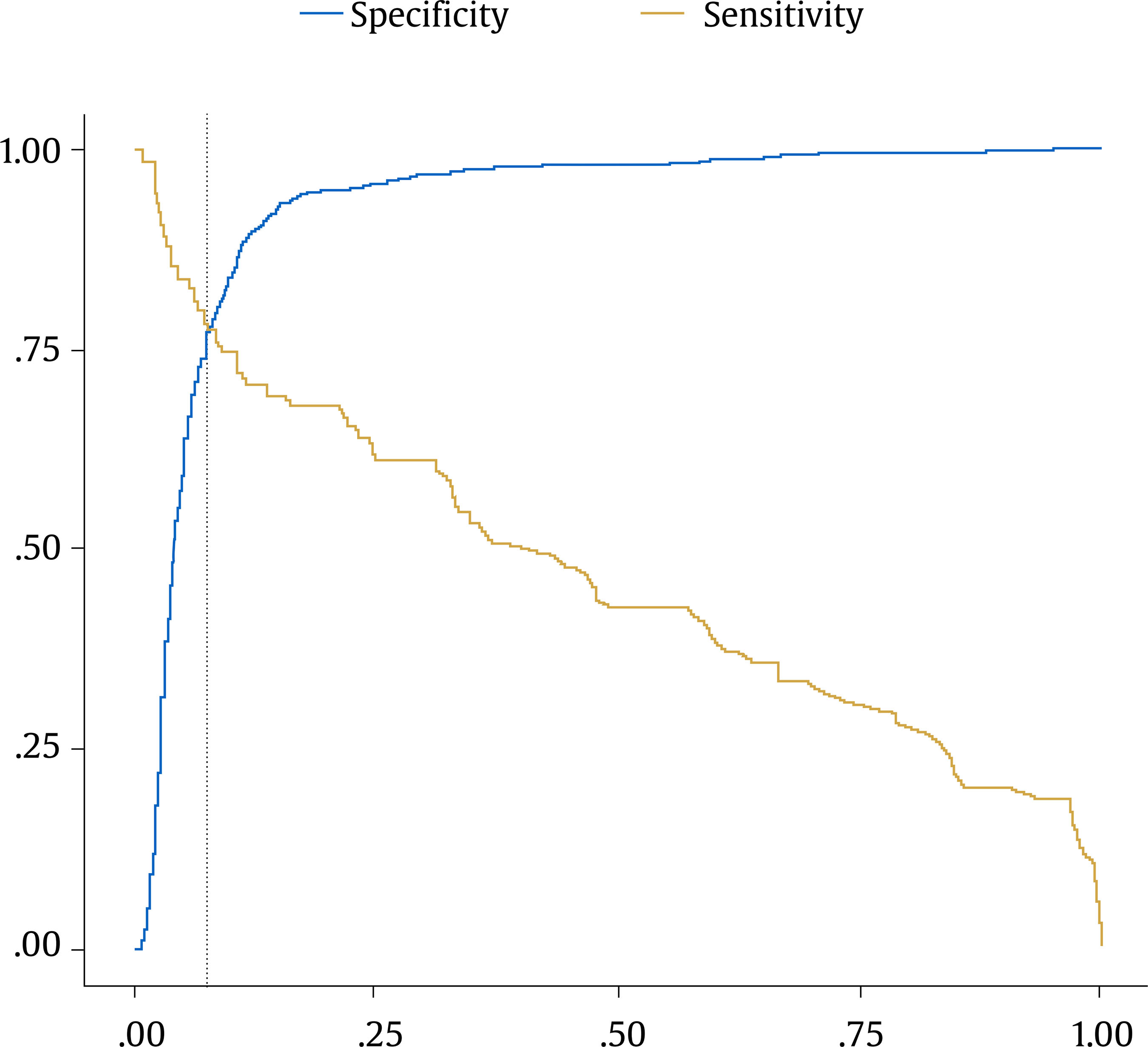 The results obtained in this study confirm the construct validity of the VRS-PN. The final version of the scale, consisting of 39 items, demonstrates adequate reliability and effectively distinguishes between police officers classified as at risk of suicide and those in the non-risk group. After conducting a systematic analysis, progressing through EFA and CFA, and subsequently making the necessary modifications, the findings indicate that the VRS-PN structure has construct validity. The interpretation of the model’s results suggests a good fit (Cho et al., 2020; Xia & Yang, 2019). These findings support the construct validity of the VRS-PN, with the proposed factors: intrapersonal suicidal ideation, interpersonal suicidal ideation, suicidal intent, risk factors, access to lethal means, behavioral tendencies, simulation, and dissimulation, in line with the ideation-to-action framework. The results of this study confirm the construct validity of the VRS-PN, evidencing its factorial structure and its discriminative capacity between National Police officers at risk of suicide and those not at risk. The VRS-PN has adequate sensitivity and specificity, calculated for all the factors it measures. These results provide an objective criterion for its application in police contexts. A further innovation of the VRS-PN is the combination of the constructs of the theories of the ideation-to-action framework into two factors of suicidal ideation. On the one hand, intrapersonal suicidal ideation encompasses constructs related to internalizing suicidal behavior, such as hopelessness or psychological pain. On the other hand, the interpersonal suicidal ideation, whose constructs are related to the person’s relationships with his or her environment, see frustrated belonging or perceiving oneself as a burden to others (O’Connor & Kirtley, 2018; O’Connor et al., 2024). This differentiation allows for a more accurate assessment of the mechanisms underlying suicidal ideation within the police context. Between-group differences and their interpretation The significant differences found between groups reinforce the relevance of the VRS-PN in the assessment of suicidal risk in the National Police. In particular, gender differences were observed in scores for suicidal intent, dissimulation, behavioral tendencies, and access to lethal means. These findings are consistent with previous literature, where it has been reported that women tend to score higher in dissimulation strategies and emotional regulation, while men present greater exposure to risk behaviors and access to lethal means (Bennett et al., 2024). However, it is important to note that these differences were of low effect size, suggesting that gender is not a key factor in the differentiation of suicidal risk within this occupational group. Regarding age, significant differences were found in intrapersonal suicidal ideation and Access to lethal means. These results could be explained by the accumulation of psychosocial risk factors throughout the police career, including emotional exhaustion, chronic stress, and prolonged exposure to traumatic events (Violanti et al., 2017). However, these differences also exhibit low effect sizes, implying that age alone is not a determinant predictor of suicidal risk in this population. The analysis by region revealed significant variations in suicide attempts and access to lethal means. These differences may be related to organizational and cultural factors specific to each police headquarters, as well as to the availability of psychological support resources in each territory. Previous research has indicated that the perception of institutional support and access to mental health services may influence the manifestation of suicidal risk in security officers (Violanti et al., 2018). However, the most pronounced differences were found in the comparison between the at-risk group and the no-risk group, with moderate to large effect sizes across all variables (Violanti et al., 2013). This confirms the ability of the VRS-PN to distinguish between groups, validating its usefulness as a screening tool. The fact that other variables, such as sex or age, did not present significant differences with relevant effect sizes suggests that classification into these two groups is the most relevant criterion for the application of the scale. This is particularly relevant for suicidal behaviour interventions in environments where firearms are handled (Schweitzer, 2021; Violanti et al., 2009). These suicidal ideation factors support the evidence on the relationships among the three theoretical frameworks that form the foundation of the VRS-PN, without conceptual overlap between constructs. Another strength of this study is the inclusion of response validity scales in suicide risk assessment. This innovation, along with the standardization findings, opens the possibility for convergent validity studies between the VRS-PN and other psychometric instruments that assess feigning or dissimulation. Regarding the study limitations, the first concerns the cross-sectional nature of the study design, which prevents establishing causal relationships. The second limitation, at the statistical level, is that chi square value for model fit falls below the significance level, suggesting that the model does not perfectly fit the sample data. However, there is a high probability that sample size effects contribute to increasing the discrepancies between the variance-covariance matrix and the proposed model (Alavi et al., 2020), thereby reducing the statistical significance of chi square. The performance results of the VRS-PN suggest that the scale is highly effective in correctly classifying both at-risk and non-risk groups, within a margin of error. The VRS-PN demonstrates an 84.3% probability of correctly distinguishing between groups, which is considered a good level of discrimination (Janssens, & Martens, 2020). Conclusion In summary, the results suggest that the VRS-PN has a robust factorial structure and the ability to distinguish multiple constructs and dimensions of suicide risk within the National Police. Future research should continue to explore the validity of the VRS-PN in various contexts and populations, such as in other law enforcement agencies. The VRS-PN is a specific, culturally adapted tool that addresses an identified gap in police assessment. Its performance supports its use as a screening and decision-support instrument, pending comparative and predictive studies that benchmark it against measures of the general population in police samples. Conflict of Interest The authors of this article declare no conflict of interest. Acknowledgements We would like to sincerely thank the people from the National Police who have made this study possible with their disinterested participation. Cite this article as: Gutiérrez-Jurado, J. E. & Romero Martínez, S. J. (2026). Enhancing suicide risk detection in police officers: Psychometric properties and standardization of the VRS-PN. Anuario de Psicología Jurídica, 36, Artículo e260482, 1-11. https://doi.org/10.5093/apj2026a15 Funding This research has been funded by a grant from the Spanish Police Foundation (Fundación Policía Española). References |
Cite this article as: Gutiérrez-Jurado, J. E. & Romero Martínez, S. J. (2026). Enhancing Suicide Risk Detection in Police Officers: Psychometric Properties and Standardization of the VRS-PN. Anuario de Psicología Jurídica, 36, Article e260482. https://doi.org/10.5093/apj2026a15
Correspondence: josgutierrez@madridsur.uned.es (J. E. Gutiérrez Jurado).Copyright © 2026. Colegio Oficial de la Psicología de Madrid


Herramientas:
 PDF
PDF e-PUB
e-PUB CrossRef
 JATS
JATS Imprimir
 Enviar
ALERTA POR E-MAIL
La Revista de Anuario de Psicología Jurídica está distribuida bajo una licencia de Creative Commons Reconocimiento-NoComercial-SinObra Derivada 4.0 Internacional.com