Relationship between Handwriting and Visual-Motor Integration in Primary School
[La relación entre la escritura manuscrita y la integración viso-motriz en la Escuela Primaria]
Mariana Diez & Ramón Álvarez-Vaz
Universidad de la República, Uruguay
https://doi.org/10.5093/psed2026a6
Received 16 September 2024, Accepted 8 September 2025
Abstract
Introduction: School-based literacy development involves the acquisition of complex cognitive and motor skills, among which handwriting plays a central role. This study examined the relationship between handwriting performance—quality and speed—and visual-motor integration in Uruguayan schoolchildren. Method: A cross-sectional study was conducted using two-stage probabilistic cluster sampling. Participants included 158 fourth-grade students (50.6% girls) from public schools in Montevideo classified in the fifth quintile according to the National Public Education Administration. Instruments used included the Concise Assessment Method for Children’s Handwriting and the second version of the Bender Visual-Motor Gestalt Test. Cluster analysis was applied as an exploratory tool to identify performance subgroups. Results: Handwriting quality and speed were significantly correlated with visual-motor integration. Cluster analysis revealed four distinct performance profiles integrating handwriting and visual-motor variables. Girls outperformed boys in handwriting legibility, with no significant sex differences in handwriting speed or visual-motor skills. Conclusions: Visual-motor integration is strongly linked to handwriting performance. The identification of heterogeneous performance profiles underscores the importance of moving beyond binary sex-based comparisons to inform early assessment and targeted educational interventions. These findings enhance our understanding of handwriting development in the Uruguayan context.
Resumen
Introducción: La alfabetización escolar requiere habilidades cognitivas y motoras complejas, entre las que la escritura manuscrita desempeña un rol central. Este estudio analizó la relación entre el desempeño en la escritura manuscrita—calidad y velocidad—y la integración visomotriz en escolares uruguayos. Método: Se realizó un estudio transversal con muestreo probabilístico estratificado por conglomerados en dos etapas. Participaron 158 estudiantes de cuarto grado (50.6 % niñas) de escuelas públicas de Montevideo clasificadas en el quintil cinco según la Administración Nacional de Educación Pública. Los instrumentos utilizados fueron el Método Conciso de Evaluación de la Escritura en Niños y la segunda versión del Test Gestáltico Visomotor de Bender. Se hizo además un análisis de clústeres como herramienta exploratoria para identificar subgrupos de desempeño. Resultados: La calidad y velocidad de la escritura se correlacionaron significativamente con la integración visomotriz. El análisis de clústeres identificó cuatro perfiles de desempeño diferenciados en las variables de escritura manuscrita y visomotoras. Las niñas mostraron mejor legibilidad que los varones, sin diferencias significativas en velocidad ni habilidades viso-motrices. Conclusiones: La integración visomotriz se vincula estrechamente con el desempeño en la escritura manuscrita. La identificación de perfiles de rendimiento heterogéneos subraya la necesidad de superar las comparaciones binarias por sexo, promoviendo evaluaciones oportunas y estrategias educativas ajustadas. Los resultados enriquecen la comprensión del desarrollo de la escritura manuscrita en el contexto uruguayo.
Palabras clave
Escritura manuscrita, Legibilidad, Velocidad de escritura, Integración viso-motriz, Perfiles de rendimientoKeywords
Handwriting, Legibility, Handwriting speed, Visual-motor integration, Performance profilesCite this article as: Diez, M. & Álvarez-Vaz, R. (2026). Relationship between Handwriting and Visual-Motor Integration in Primary School. Psicología Educativa, 32, Article e260449. https://doi.org/10.5093/psed2026a6
Correspondence: marianadiezx@gmail.com (M. Diez).School-based literacy development involves the acquisition of complex cognitive and motor skills, among which handwriting plays a central role. The present study aimed to characterize handwriting performance and examine its relationship with visual-motor integration in a sample of fourth-grade students in Uruguay. Producing fluid and legible texts is essential for recording, remembering, and communicating ideas. Moreover, progress in various cognitive domains is supported by writing. Despite the intensive use of electronic devices that allow the production of written texts, handwriting continues to be one of the most effective and universal forms of communication, especially at formal education (Malpique et al., 2020; McMaster & Roberts, 2016), since up to 85% of daily school activities involve handwriting or drawing (Lin et al., 2019). Compared to the use of digital media for text production, handwriting offers several advantages (Ose Askvik et al., 2020). When automated, it is a more effective mechanism for learning and developing different cognitive processes. The study of Mueller and Oppenheimer (2018) showed better performance in terms of understanding concepts and retaining factual content when using handwriting, compared to using a keyboard for text production. Horbury and Edmonds (2021) showed that children who used handwriting had better understanding and retention of concepts after a week than children who had used a keyboard to take notes in class. Other studies indicate that handwriting has a facilitating effect on processing visual symbols, letters recognition (James, 2017), and words recovery (Mangen et al., 2015). Unlike other higher-order functions such as attention, memory, or oral language, the development of handwriting requires specific social exchanges within the framework of systematic education. The process of consolidating this skill involves several years of formal schooling and depends on the articulation of cognitive, gnosopraxic, and emotional aspects. Generally, the systematic teaching of handwriting begins at the age of six. Throughout the first three years of apprenticeship, substantial progress is quickly made in the mastery of handwriting in terms of calligraphic canons and speed. The graphic gesture becomes automated, gaining harmony, fluidity, efficiency, coordination, and stability, which translates into a faster, better quality and more regular handwriting. Legibility is based on consistency in size, proportions, spacing and specific shapes of letters, the latter aspect being a particular guarantee of their identity (de Ajuriaguerra et al., 1981). Mojet (1991) confirmed the developmental sequence of handwriting proposed by Ajuriaguerra et al. (1981), showing a monotonous evolution in handwriting speed and a discontinuous development profile in handwriting quality throughout primary school. Likewise, handwriting speed increases with age (Afonso et al., 2020) and appears to affect not only the volume of text produced, but also the quality of production (Limpo et al., 2017). This is especially true when handwriting has not been automated and the load on working memory limits the resources available for performing tasks that require higher levels of processing, such as planning or composing text (Cameron et al., 2016; Prunty et al., 2016). Different processes contribute to handwriting development (Ye et al., 2024). Among the high-level cognitive processes involved, attention and executive functions, in particular working memory, are identified. Low-level processes include visual perception, graphomotor skills, visual-motor integration, coordination of movements necessary to execute graphic tasks, and manual dexterity. Handwriting is a gnosopraxic activity that involves, first, the recognition of specific visual stimuli and then the precise execution of the movements necessary to reproduce them. The cognitive mechanism at the basis of handwriting is the integration between the visual and motor systems, as this ability depends on the integration of visual afferents and precise motor output. Previous studies have adopted diverse methodological approaches, focusing on both the final product and/or the procedural aspects of handwriting. Some studies show that performance on the visual-motor integration function is a predictor of handwriting legibility in both good and poor writers, with a positive relation between them (Hwang et al., 2024; Ose Askvik et al., 2020; Taverna et al., 2020). Brown and Link (2016) found significant correlations between handwriting speed and visual perception, visual-motor integration, and in-hand manipulation skills in school-age children. Vinter and Chartrel (2010) also demonstrated that visual-motor training improves letter quality and movement fluency in handwriting in young children. Regarding the relationship between handwriting speed and legibility, research indicates that an increase in handwriting speed can compromise legibility, while slower writing can be clearer but less efficient (Gosse et al., 2021; Medwell & Wray, 2008). Other studies analyze differences in handwriting performance—both in quality and speed—across variables such as age, school grade, or sex (Gosse et al., 2021; Loizzo et al., 2023; Yang et al., 2020). Some works conclude that girls present superior performance in handwriting quality than boys. The arguments put forward to explain this difference range from approaches that emphasize the biological variable and point to an earlier maturation of motor function in the case of girls, to cultural approaches that identify a positive appreciation of characteristics such as neatness and good handwriting of girls (Loizzo et al., 2023; Overvelde & Hulstijn, 2011). In addition to individual developmental variables such as age and sex, previous research has also examined contextual and clinical factors associated with handwriting performance. These include socioeconomic status and the prevalence of clinically identified handwriting difficulties, both of which contribute to understanding the diversity of writing acquisition pathways. Studies that examine handwriting performance and the socioeconomic background are scarce. O’Mahony et al. (2008) found a direct link between socioeconomic disadvantages and handwriting speed. According to this work, students who attend schools belonging to the most disadvantaged strata had significantly slower writing skills. The prevalence of handwriting difficulties in school settings ranges from 6% to 33% (Duiser et al., 2020). Such difficulties represent one of the most frequent reasons for referral to psychomotor clinics (Lachaux-Parker, 2012). Characterizing the typical developmental trajectory of handwriting is essential for identifying early signs of dysfunction (Coradinho et al., 2023; Gargot et al., 2020; Hurschler Lichtsteiner et al., 2023) and for designing effective intervention programs (Kadar et al., 2020). The Present Study This study aimed to examine the relationship between handwriting performance—specifically quality and speed—and visual-motor integration in fourth-grade students in Uruguay. Drawing on previous literature, we hypothesized that higher handwriting performance would be associated with better outcomes in visual-motor tasks, particularly in figure copying and recall. We also expected girls to outperform boys in handwriting quality, while no significant sex differences were anticipated in handwriting speed. In addition to hypothesis testing, cluster analysis was applied as an exploratory tool to identify distinct performance profiles that integrated handwriting and visual-motor variables. This approach aimed to uncover the internal structure of the sample and reveal patterns of association across the evaluated dimensions. Participants A total of 175 students (50.3% girls) participated in the study. All participants were fourth-grade students attending seven public primary schools located in Montevideo and classified within the highest (fifth) sociocultural quintile, according to the National Public Education Administration (ANEP, 2019). This group includes the top 20% of public schools nationwide in terms of sociocultural context, based on indicators such as family educational level, housing conditions, and access to cultural resources. These schools present indicators of repetition, insufficient attendance, and intermittent dropout below the national average (ANEP, 2019). The selection of schools was made given the well-documented influence of sociocultural background on the development of cognitive functions, learning, and handwriting (Burneo-Garcés et al., 2019; Farah, 2017). Importantly, quintile classification reflects school-level contextual factors rather than individual student characteristics, as students may come from diverse backgrounds. A cross-sectional study was conducted using a two-stage probabilistic sampling design. In the first stage, schools (primary sampling units) were selected independently with probability proportional to enrollment size, giving larger schools a higher chance of being included. Six strata were established based on school-level indicators of repetition, insufficient attendance, and intermittent dropout. Although all schools were classified within the fifth quintile, these variables revealed internal differences across strata. In the second stage, a fixed number of students (22; secondary sampling units) were randomly selected within each school. Sampling weights were applied to correct for unequal selection probabilities, thereby ensuring population-level representativeness. Children with lower selection probabilities were assigned greater weights, while those with higher probabilities received lower weights. While initial selection probabilities differed across units, the combination of stratified stages and the application of appropriate sampling weights effectively corrected for this variation. As a result, the design approximated a self-weighted sample, where each participant represented an equal portion of the target population. The overall probability was computed as the product of selection probabilities at each stage, facilitating valid population-level inference (Álvarez-Vaz, 2010, 2017, 2020). To determine the inclusion and exclusion criteria for the participants, it was considered that handwriting practice opportunities vary across school grades, which expand as the courses progress, with sufficient consolidation typically achieved by the end of third grade (Gosse et al., 2021). The results of other studies show that the handwriting quality is a stable parameter throughout school grades and does not vary significantly between second and fifth grade (Loizzo et al., 2023). The selected age range ensures an adequate level of development and stability in the visual-motor integration function associated with handwriting. The inclusion criteria were boys and girls aged nine or ten, regularly attending fourth grade in mainstream urban public schools classified in the fifth quintile (ANEP, 2019) of Montevideo, and using cursive handwriting. This ensured a reasonable degree of homogeneity in terms of schooling experience and daily learning routines. The exclusion criteria were as follows: having repeated a school grade, being currently enrolled in, or formally referred for, special education services, presenting visual or motor-perceptual disorders likely to affect task performance, exhibiting significant learning difficulties as identified by the teacher, or having a diagnosed neurodevelopmental disorder. From the initial pool of participants, we excluded 17 students (9.7%) who did not meet the predefined inclusion criteria: 15 (8.6%) students did not use cursive handwriting and one (0.6%) failed to complete five lines of text within the designated time. During the informed assent process, one student (0.6%) declined to participate. Excluded students were evenly distributed across strata, with no sex-related biases detected. Instruments Handwriting was assessed using the Italian adaptation of the Concise Evaluation Method for Children’s Handwriting (BHK; Di Brina & Rossini, 2010), employing a Spanish translation developed by the research team due to the lack of normative data for the Uruguayan population. The translation preserved the structure of the Italian version, including the organization of the text, font type and size, and standardized instructions and materials. The only modification was the literal translation of the original Italian text into Spanish. The BHK provides measures of both handwriting quality and speed in school-aged children. It involves copying a standardized cursive text that includes upper- and lower-case letters for five minutes. Handwriting quality is assessed in the first five lines of the text using 13 items that reflect deviations from standard calligraphic norms; each deviation receives one point. Thus, higher scores indicate poorer handwriting quality. Normative criteria for quality scores are independent of school grade but sex-specific. Based on total quality scores, the BHK classifies handwriting performance into three categories with sex-adjusted cut-off points: scores below 22 for girls or 24 for boys indicate adequate quality; scores between 22 and 25 for girls or between 24 and 29 for boys suggest moderate difficulties; and scores above 26 for girls or 30 for boys indicate significant handwriting difficulties (Di Brina & Rossini, 2010). Handwriting speed is determined by the total number of letters written within five minutes. Higher letter counts reflect better performance. Normative data for speed are grade-specific but not sex-dependent (Di Brina & Rossini, 2010). Visual-motor integration—essential for recognizing shapes, coordinating fine motor movements, and executing graphic forms—was assessed using the second edition of the Bender Visual-Motor Gestalt Test (Bender-II; Brannigan & Decker, 2003; originally developed by Bender, 1937). The test includes two phases: copying and recall. In the copying phase, children reproduce a series of figures onto a letter-size sheet in a fixed order. In the recall phase, they are asked to draw the same figures from memory, in any sequence (Brannigan & Decker, 2006). Unlike the BHK, which assigns penalty points for errors, the Bender-II awards points for accurate reproductions, so higher scores indicate better visual-motor integration. Procedure Ethical approval for the study was granted by the Ethics Committee of the authors’ institution, and the research was conducted in accordance with the principles of the Declaration of Helsinki. Authorization was obtained from school boards, and both parental informed consent and children’s informed assent were required. All parents provided consent for their children’s participation. Participation was voluntary, anonymous, and confidential, and students or their families were free to withdraw from the study at any time. Only one student (0.6%) declined to participate. Data collection was carried out over a two-month period (October–November) at the end of the 2022 academic year. To minimize potential biases related to testing materials, all students were provided with identical pencils, erasers, and sheets. Written samples in print script (i.e., with non-joined letters) or those that did not reach five lines in length were excluded, in accordance with the administration requirements of the BHK. The assessments were conducted individually in quiet, specially prepared rooms by trained and experienced assessors during regular school hours. All participants completed the tasks in a fixed sequence: first the handwriting task (BHK), followed by the copying and recall phases of the Bender-II. On average, test administration took approximately 40 minutes per student. Data Analysis Data were analyzed using R (R Core Team, 2023), with specific packages for sampling design (Tillé & Matei, 2021), the JASP software (JASP Team, 2023), and the Survey package (Lumley, 2023). The final sample included 158 students (80 girls, 50.6%; 78 boys, 49.4%). The values are adequately expanded based on the sampling design, yielding weighted totals of 1,844 students (943 girls, 51.2%; 901 boys, 48.8%) (Tillé & Matei, 2021). No missing data were recorded. Girls had a mean age of 10 years and 2 months (range: 9 years and 6 months to 10 years and 10 months), while boys had a mean age of 10 years and 1.5 months (range: 9 years and 5 months to 10 years and 8 months). In total, 144 students (91.1%) were right-handed (73 girls, 50.7%) and 14 (8.9%) were left-handed (7 girls, 50%). No statistically significant differences were found between boys and girls in terms of age or handedness. Associations between Handwriting and Visual-Motor Skills Four key attributes were analyzed to assess associations between handwriting and visual-motor skills: handwriting quality and speed (measured using the BHK test) and figure copying and recall (measured using the Bender-II test). Table 1 presents descriptive statistics for each attribute, including measures of central tendency and dispersion. Table 1 Descriptive Statistics for Selected Attributes  As shown in Table 2, handwriting quality was strongly and negatively correlated with handwriting speed. It is important to note that the BHK scale penalizes deviations from the calligraphic standard, so higher scores indicate poorer handwriting legibility. Accordingly, this result suggests that lower handwriting quality is associated with reduced handwriting speed. Table 2 Correlation between Attributes 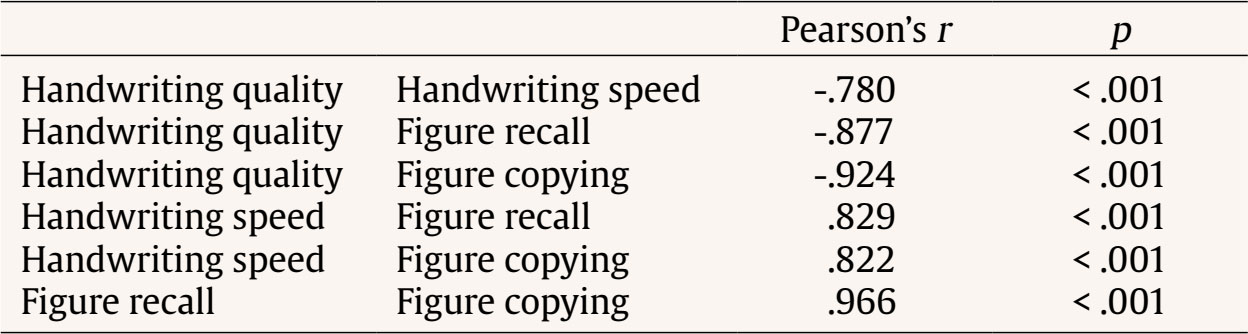 Similarly, handwriting quality was strongly and negatively correlated with both figure copying and recall. In contrast to the BHK, the Bender-II test awards points for accurate reproductions, so higher scores reflect better visual-motor integration. These negative correlations therefore indicate that more legible handwriting is associated with better visual-motor performance. Handwriting speed was positively associated with visual-motor performance in both copying and recall tasks. Additionally, figure copying and recall scores were highly correlated, confirming their functional linkage (Table 2). Characterization of the Clusters To identify distinct handwriting performance profiles, we conducted a cluster analysis based on four standardized attributes: handwriting quality, handwriting speed, figure copying, and figure recall. A non-hierarchical K-means algorithm was used (Forgy, 1965; Hartigan & Wong, 1979; Lloyd, 1982), with all variables standardized (mean = 0, SD = 1) to ensure comparability across dimensions, with positive standardized scores indicating performance above the mean and negative scores indicating performance below it. The four-cluster model was identified as optimal based on the lowest Bayesian Information Criterion (BIC) and Silhouette values, explaining 85.3% of the total variance (R² = .853). Given the approximately self-weighted sampling design, the analysis was conducted without applying sample weights, as no substantial differences were found between expanded and unexpanded data. This solution yielded a meaningful differentiation of handwriting profiles, integrating handwriting and visual-motor performance dimensions. As shown in Table 3, the four clusters revealed distinct performance profiles across handwriting and visual-motor domains. Clusters 1 and 3 exhibited lower overall performance. Cluster 1 presented the most impaired profile, characterized by reduced handwriting speed and legibility, along with poor visual-motor integration in both copying and recall tasks. Cluster 3, while less compromised, also showed below-average performance across all assessed dimensions. Table 3 Cluster Information 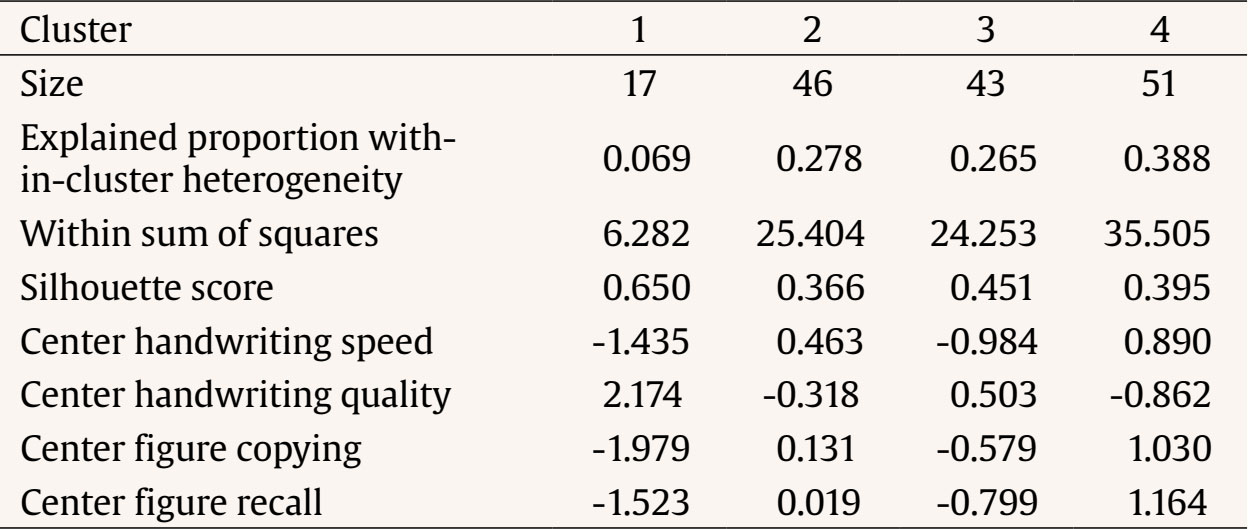 Note. The total sum of squares for the four-cluster model was 624, of which 532.56 corresponded to the between-cluster variance. In contrast, clusters 2 and 4 demonstrated better overall performance. Cluster 2 was characterized by legible and moderately fast handwriting, accompanied by slightly above-average scores in both figure copying and recall. Cluster 4 included students with the highest performance, combining fluent and legible handwriting with well-developed visual-motor performance. Figures 1 to 4 depict the distribution of clusters across the handwriting and visual-motor dimensions. As shown in Figure 1, handwriting speed was markedly lower in clusters 1 and 3, with cluster 1 exhibiting the lowest density peak. In contrast, clusters 2 and 4 displayed higher writing speeds, with cluster 4 showing the most consistent pattern and a sharper peak around the upper results range. Figure 1 Chuster Density Plot for Handwriting Speed 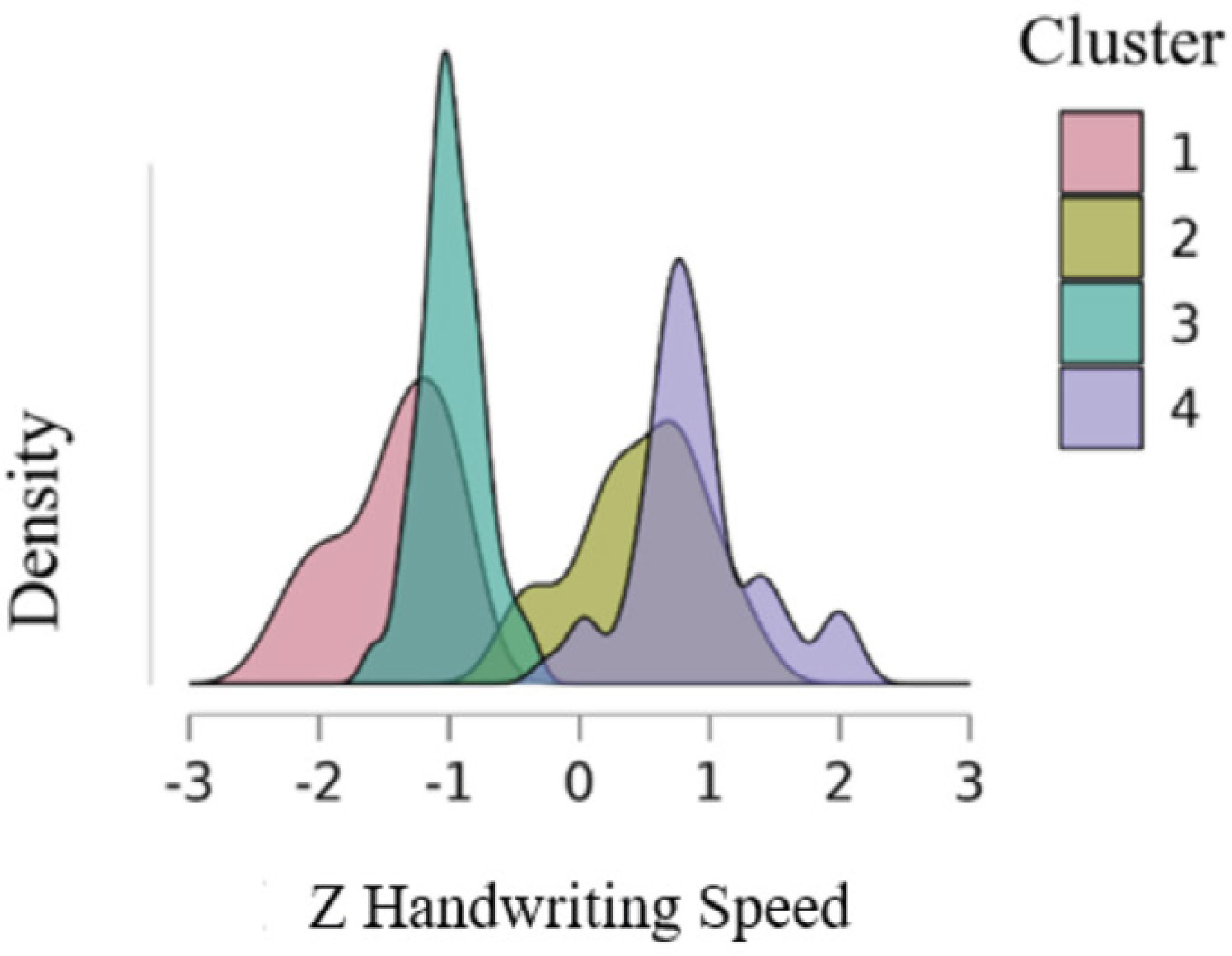 Figure 2 Chuster Density Plot for Handwriting Quality 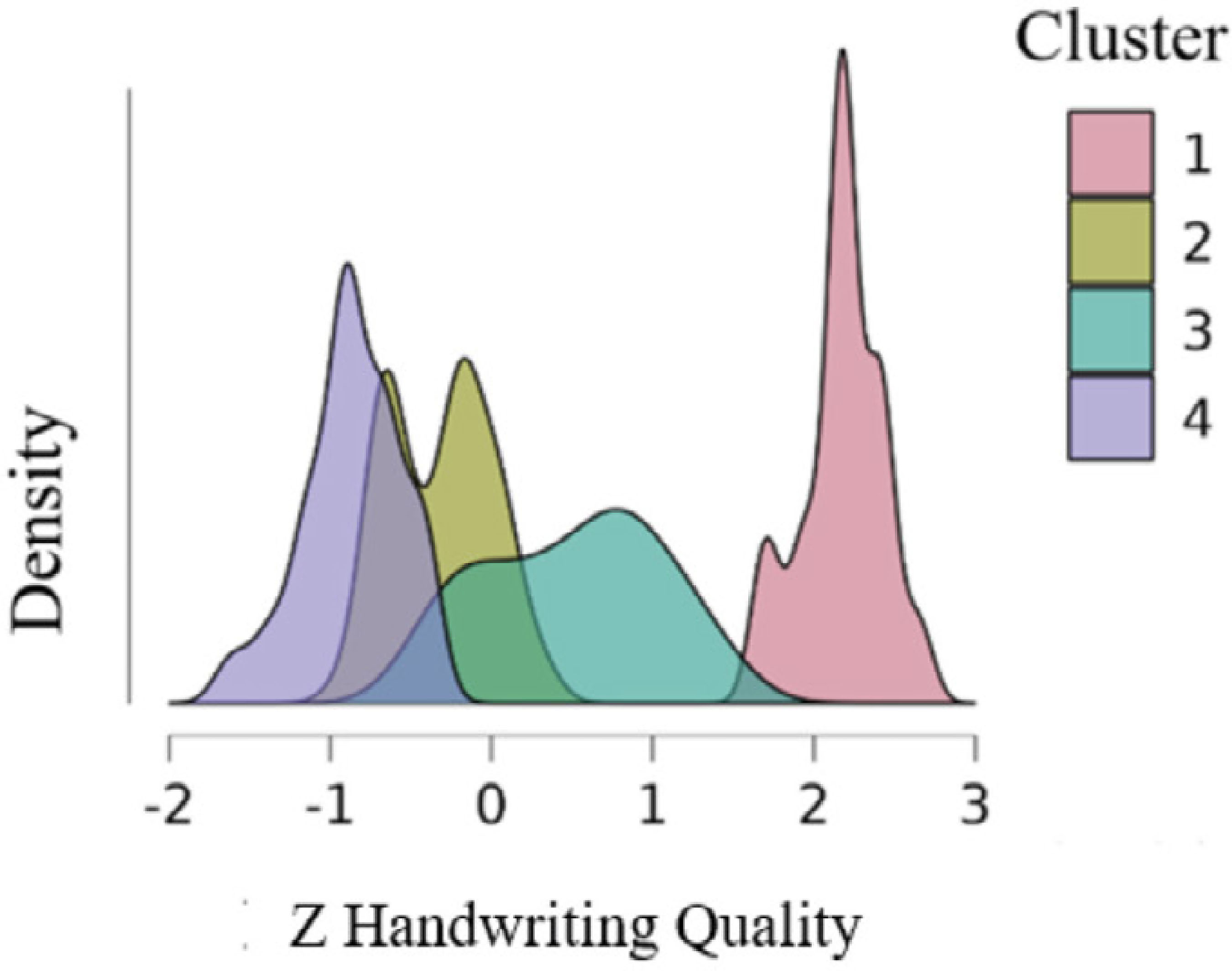 Figure 3 Chuster Density Plot for Figure Copyin 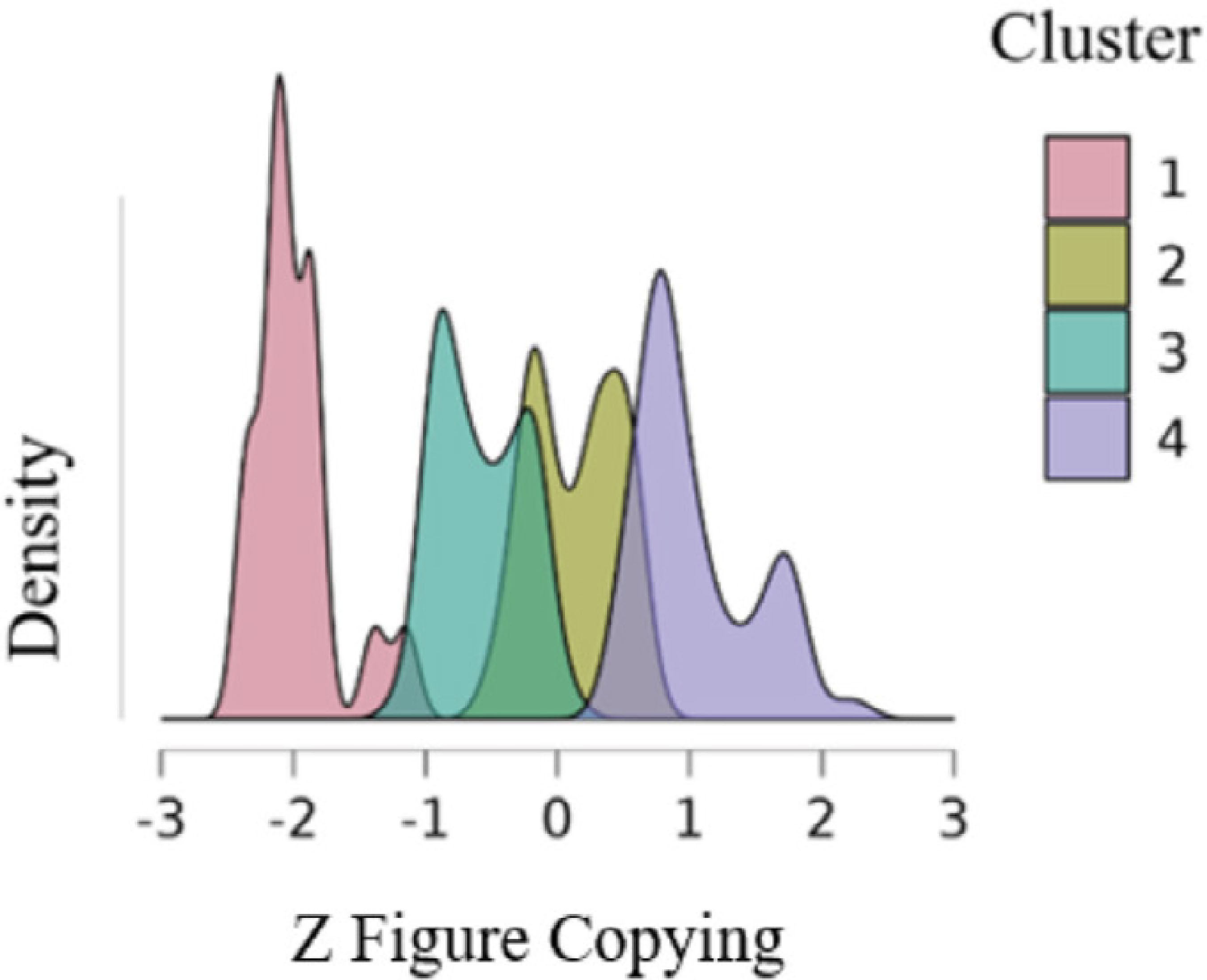 Figure 4 Chuster Density Plot for Figure Recall 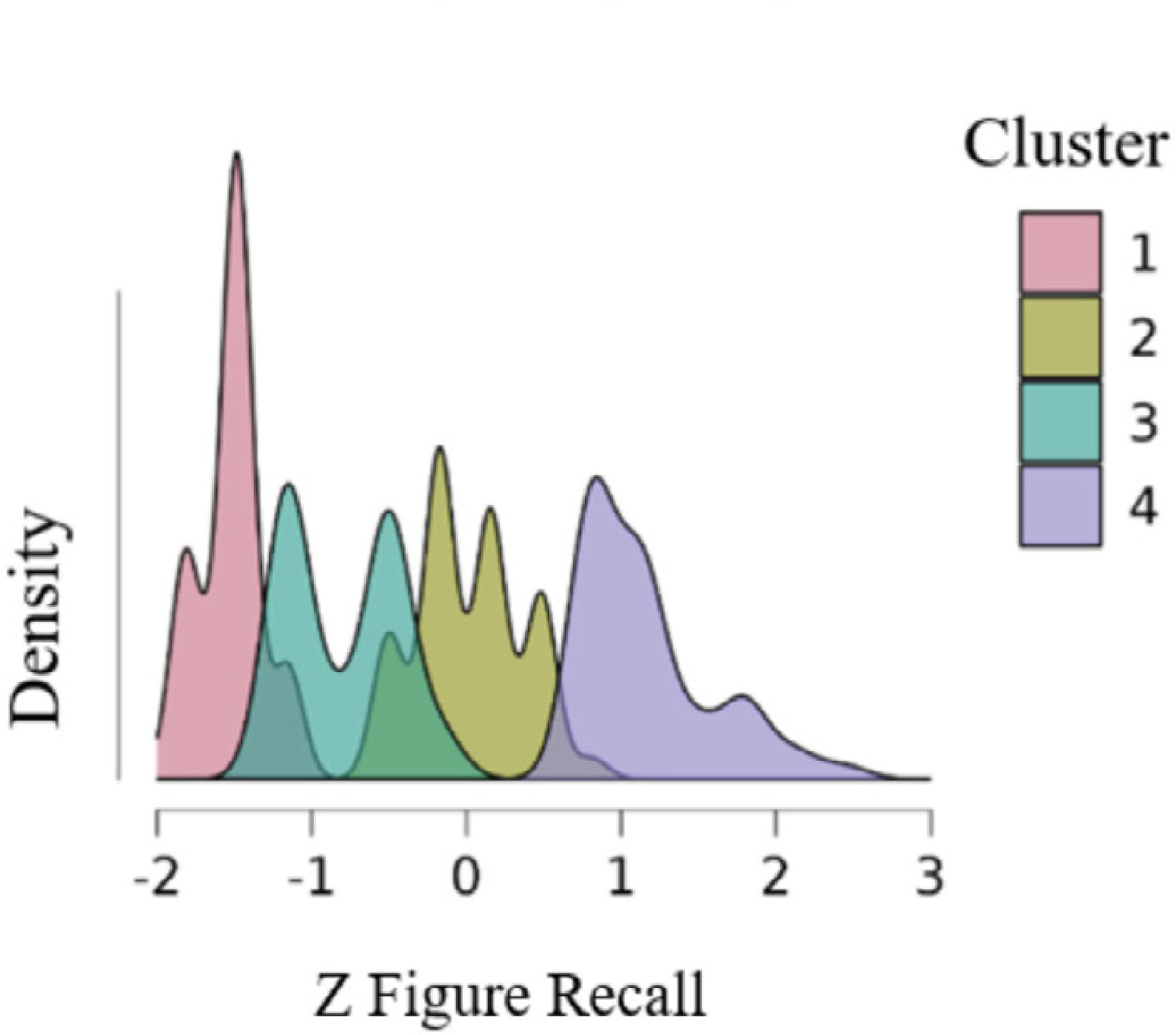 Figure 2 shows three distinct distribution patterns in handwriting quality across clusters. Cluster 1 exhibited the lowest performance, with scores well above the mean, indicating markedly reduced legibility. Cluster 3 demonstrated intermediate results, characterized by a wider spread of values. In contrast, clusters 2 and 4 achieved the best handwriting quality, with scores concentrated below the mean and cluster 4 showing the most compact distribution. Figure 3 reveals two distinct profiles in figure copying performance. Cluster 1 stood apart with the lowest scores, indicating consistently poor visual-motor reproduction. In contrast, clusters 3, 2, and 4 showed a gradual upward progression in performance levels. Although the profiles were clearly differentiated, some overlap was observed between adjacent clusters, particularly at the boundaries. A similar trend was observed in figure recall results (Figure 4), with cluster 1 showing the lowest scores and cluster 4 the highest. Clusters 3 and 2 occupied intermediate positions, forming a progressive pattern of improvement across groups. Compared to figure copying, recall scores exhibited less variability, indicating a more homogeneous distribution of performance in this task. Figure 5 illustrates how handwriting and visual-motor attributes interact within each cluster. An inverse relationship was observed between handwriting quality and speed: students with more legible handwriting (i.e., lower BHK scores) tended to write faster. While clusters 2 and 4 overlapped in handwriting quality, they were primarily differentiated by handwriting speed. Similarly, higher visual-motor performance—reflected in both figure copying and recall tasks—was associated with better outcomes in handwriting speed and legibility. As expected from their high overall correlation, figure copying and recall tended to follow similar patterns within each cluster, reinforcing their functional interdependence. Figure 5 Cluster Matrix Plot. 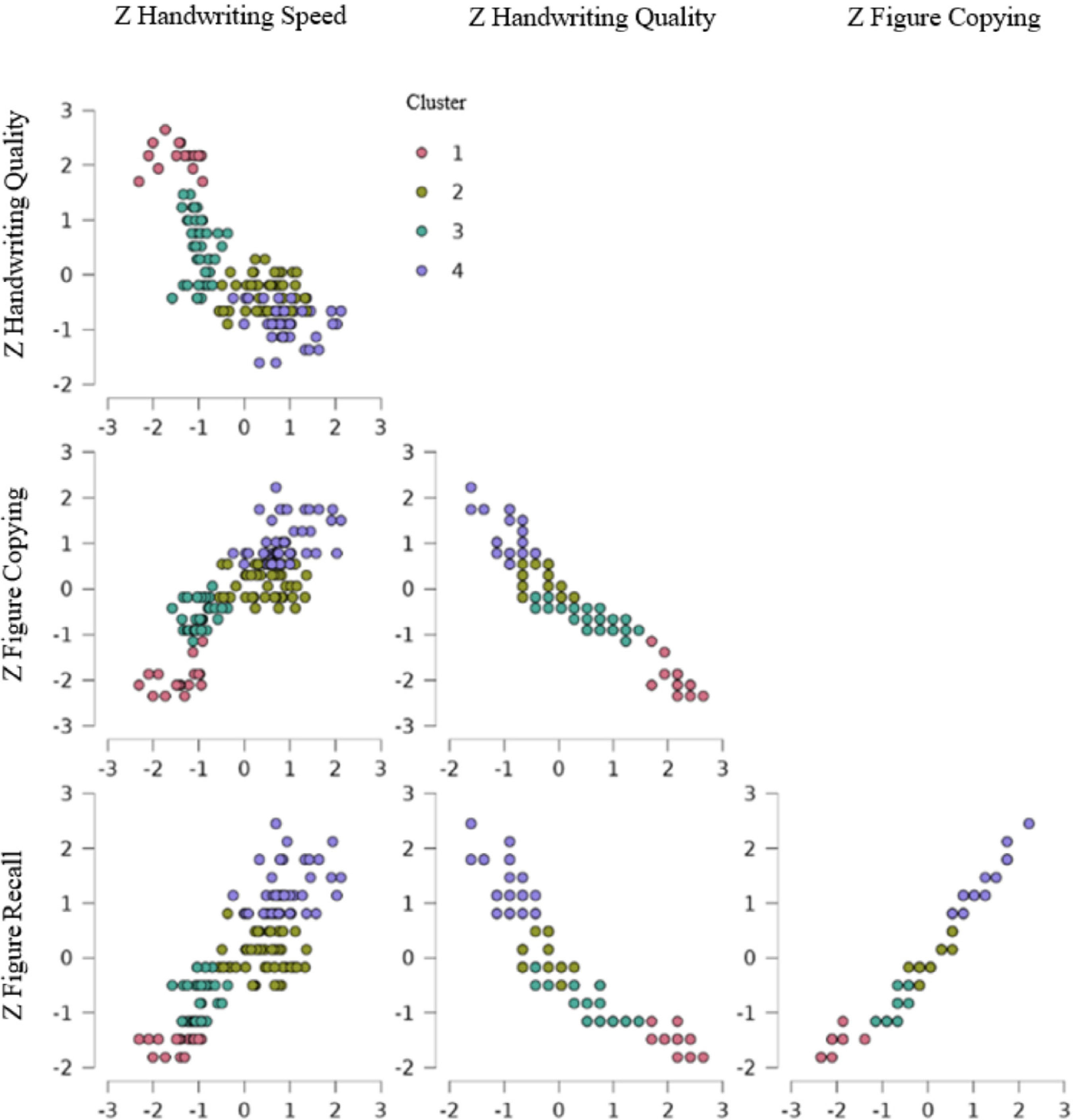 Note. Z = standardized scores used in the cluster analysis. Sex Differences in Handwriting and Visual-Motor Performance Having identified four distinct profiles, we examined the role of sex in handwriting and visual-motor performance, both at the level of individual measures and in their distribution across clusters. As shown in Table 4, no statistically significant sex differences were found in handwriting speed. The effect size was negligible (r = .093), and the confidence interval included zero, reinforcing the lack of a meaningful difference between groups. Table 4 Sex Differences in Handwriting and Visual-Motor Performance: Independent-Sample Statistical Contrasts 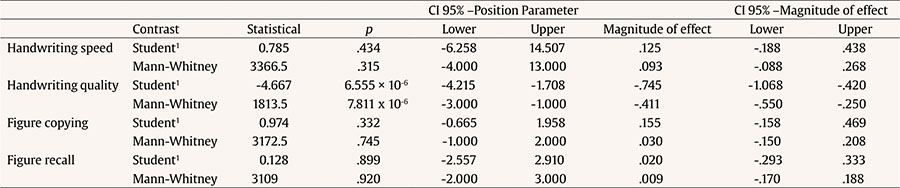 Note. 1Degrees of freedom: 155; independent-sample contrasts compare performance between boys and girls; for the Mann-Whitney test, the position parameters are given by the Hodges–Lehmann estimate; effect sizes are expressed as rank-biserial correlations. In contrast, a statistically significant difference was observed in handwriting quality, with girls outperforming boys. The effect size was moderate (r = -.411), and the confidence interval did not include zero, indicating a consistent female advantage in legibility. No significant sex differences emerged in figure copying or recall tasks (p > .05 for both comparisons). Effect sizes were minimal, suggesting that sex had negligible influence on visual-motor performance (Tables 4 and 5). Table 5 Descriptive Statistics by Sex for Handwriting and Visual-Motor Performance  Note. 1N values corresponding to expanded frequencies, indicating the estimated number of children represented in the population based on sampling weights. As shown in Table 6, Cluster 4—comprising 32.5% of participants and characterized by the better handwriting results—had a balanced sex distribution. Clusters 2 and 3, with intermediate performance profiles, showed a slight predominance of girls. In contrast, Cluster 1—the lowest-performing and smallest group (10.8%)—comprised predominantly boys (82.4%), suggesting a disproportionate concentration of lower handwriting results among male students. Table 6 Distribution of Clusters by Sex: Observed and Expanded Frequencies  Note. 1N values that indicate expanded frequencies, reflecting the estimated number of children in the population based on sampling weights. Taken together, these findings reveal a multidimensional pattern in handwriting performance among primary schoolchildren, characterized by significant associations with visual-motor integration, the emergence of distinct performance profiles, and a consistent female advantage in handwriting quality. These findings are further discussed in light of current research on handwriting development and visual-motor functioning. The present study contributes to the characterization of handwriting performance in Uruguayan primary schoolchildren, emphasizing its strong association with visual-motor integration. Consistent with previous research (Gosse et al., 2021; Kapnick, 2004), the findings show that higher handwriting quality and speed tend to co-occur with more efficient visual-motor performance. These results highlight the value of incorporating visual-motor training into both educational and clinical interventions aimed at supporting handwriting acquisition and preventing related difficulties. With respect to sex differences, our findings confirm a consistent female advantage in handwriting legibility, aligning with previous studies (Loizzo et al., 2023; Martins et al., 2013). No significant differences were observed in handwriting speed. Although direct cross-cultural comparisons should be interpreted with caution due to the absence of local norms, exploratory reference to French and Italian samples (Charles et al., 2003; Di Brina & Rossini, 2010, respectively) suggests that both boys and girls in our study appear to demonstrate comparatively lower levels of handwriting performance in terms of quality and speed. These discrepancies may reflect broader contextual influences, including sociocultural background, instructional approaches to handwriting, and the curricular emphasis placed on its development. In systems where handwriting is explicitly taught and regularly practiced, students tend to achieve greater fluency. Conversely, in contexts where handwriting receives limited instructional time or where accommodations for students with learning difficulties are prioritized, proficiency in this domain may be less consolidated (Jolly & Gentaz, 2014). The lack of significant sex differences in figure copying and recall tasks suggests that boys and girls possess similar visual-motor abilities. This finding contrasts with the female advantage observed in handwriting legibility, revealing a dissociation between visual-motor integration and handwriting quality. Such a gap indicates that legibility disparities cannot be fully explained by visual-motor factors alone. Additional contributing elements may include differences in motor automatization, instructional exposure, and motivational or self-regulatory processes. In addition to the observed sex-based differences, the cluster analysis identified four distinct performance profiles that integrated handwriting and visual-motor dimensions. These multidimensional profiles revealed functionally heterogeneous subgroups, offering a more nuanced understanding of individual variability than binary comparisons alone. In this sense, the clustering approach transcends global or sex-based summaries, highlighting profiles that might otherwise remain undetected. Notably, the lowest-performing cluster was composed predominantly of boys, illustrating how sex-based analyses alone may fail to capture at-risk subgroups. This finding underscores the importance of developing normative frameworks that reflect the functional diversity of handwriting performance in Uruguayan children. Establishing standardized reference values for legibility and speed in larger, representative samples would enhance diagnostic accuracy and inform more equitable educational practices. These findings should be interpreted with caution due to certain limitations. First, although the sampling methodology allows for some degree of generalization, the relatively small size and limited sociodemographic diversity of the sample reinforce the need for replication in broader populations. Second, the study employed a Spanish translation of the BHK scale developed by the research team for exploratory use, given the lack of standardized norms for the Uruguayan population. This translation was designed to preserve the structure, content, and scoring system of the original instrument and was consistently applied throughout the study. However, it does not constitute a formally validated adaptation, which limits the potential for direct cross-cultural comparisons. Still, the scale provided internally consistent and meaningful data within the sample, supporting its utility for exploratory research and highlighting the need for national normative frameworks. In conclusion, the present findings emphasize the importance of strengthening handwriting instruction as a core component of early literacy development. Given the observed variability in handwriting performance—particularly among lower-performing subgroups with reduced fluency and visual-motor skills—this instruction should be systematically incorporated into daily classroom routines within a developmentally appropriate writing curriculum. Such an approach would help ensure that all students acquire the necessary skills to produce legible and fluent texts, while also facilitating early identification and targeted support for those experiencing difficulties (López-Escribano et al., 2022; Mathwin et al., 2024; Randall, 2018). Conflict of Interest The authors of this article declare no conflict of interest. Cite this article as: Diez, M. & Álvarez-Vaz, R. (2026). Relationship between handwriting and visual-motor integration in Primary School. Psicología Educativa, 32, Article e260449. https://doi.org/10.5093/psed2026a6 References |
Cite this article as: Diez, M. & Álvarez-Vaz, R. (2026). Relationship between Handwriting and Visual-Motor Integration in Primary School. Psicología Educativa, 32, Article e260449. https://doi.org/10.5093/psed2026a6
Correspondence: marianadiezx@gmail.com (M. Diez).Copyright © 2026. Colegio Oficial de la Psicología de Madrid


 PDF
PDF e-PUB
e-PUB CrossRef
 JATS
JATS Imprimir
 Enviar
ALERTA POR E-MAIL
La Revista de Psicología Educativa está distribuida bajo una licencia de Creative Commons Reconocimiento-NoComercial-SinObra Derivada 4.0 Internacional.com