Tobacco Use and Cessation among Adults with Intellectual Disability: Experiences in Day Services
[El consumo de tabaco y el dejar de fumar en adultos con discapacidad intelectual: las experiencias en servicios de día]
Amalia Udeanu1, Gloria García-Fernández1, Juan A. García Aller1, Patricia Solís-García2, Wouter Vanderplasschen3, & Laura E. Gómez1
1Universidad de Oviedo, Spain; 2Universidad Internacional de La Rioja, Spain; 3Ghent University, Ghent, Belgium
https://doi.org/10.5093/clh2026a14
Received 8 October 2025, Accepted 12 January 2026
Abstract
Adults with intellectual disability (ID) often start smoking during adolescence, influenced by peers and social norms. Smoking becomes part of daily routines, provides social belonging, and serves to express autonomy and self-determination, highlighting the complex social and emotional functions of tobacco use.
Support providers in day services balance autonomy with safety, often normalizing smoking within routines. Limited knowledge of cessation tools and interventions hinders quitting, while social support emerges as a key facilitator, underscoring the need for tailored, evidence-based strategies that integrate both individual and contextual factors.
Including lived experiences of people with ID in tobacco research is crucial for designing effective tailored, evidence- and rights-based interventions that promote informed, healthy choices within a person-centred approach considering context and support networks.
Resumen
Introducción: Las personas con discapacidad intelectual (DI) tienen un mayor riesgo de consumir tabaco; sin embargo, sus perspectivas, así como las de sus familias y las de los profesionales, han sido poco estudiadas. Método: Este estudio cualitativo exploró las experiencias y perspectivas sobre el tabaquismo en 12 adultos fumadores con DI, 9 familiares y 11 profesionales de apoyo de los servicios de día. Se han analizado entrevistas semiestructuradas mediante el análisis fenomenológico interpretativo. Se indagaron cuatro aspectos: inicio del tabaquismo, motivos para fumar, cómo abordar el tabaquismo y factores facilitadores y barreras para dejar de fumar. El tabaquismo generalmente se inicia en la adolescencia debido a la influencia social, se convierte en parte de la rutina diaria, se gestiona mediante prácticas de apoyo permisivas y se ve obstaculizado por una escasa concienciación sobre el cese de este hábito. Resultados: Se observaron tensiones entre la autonomía, las conductas relacionadas con el tabaquismo y los enfoques para dejar de fumar. A pesar de ser conscientes de los riesgos para la salud, los participantes mostraron un conocimiento limitado de las ayudas psicológicas para dejar de fumar y carecieron de apoyo suficiente para dejar este hábito. Conclusiones: Las intervenciones eficaces para dejar de fumar deben estar basadas en la evidencia, estar orientadas a los derechos y centradas en la persona, abordando tanto las motivaciones individuales como las influencias contextuales.
Palabras clave
Trastorno del desarrollo intelectual, Cualitativo, Análisis fenomenológico interpretativo, Tabaco, Cese, Barreras, Conductas adictivasKeywords
Intellectual developmental disorder, Qualitative, Interpretative phenomenological analysis, Tobacco, Cessation, Barriers, Addictive behavioursCite this article as: Udeanu, A., García-Fernández, G., García Aller, J. A., Solís-García, P., Vanderplasschen, W., & Gómez, L. E. (2026). Tobacco Use and Cessation among Adults with Intellectual Disability: Experiences in Day Services. Clinical and Health, 37, Article e260728. https://doi.org/10.5093/clh2026a14
Correspondence: gomezlaura@uniovi.es (L. E. Gómez).Tobacco use stands out as one of the leading preventable causes of morbidity and mortality (Sarmiento et al., 2024). While 20% of the population use tobacco (World Health Organization, 2024), prevalence appears higher among adults with intellectual disability (ID), reaching rates of 46-63% (Bhatt & Gentile, 2021; VanDerNagel et al., 2017). Evidence consistently suggests that tobacco use among people with ID is a concerning challenge (Emerson, 2023), especially among young men, those with mild ID or mental health issues, and those living in institutional or community settings (Swerts et al., 2017). People with ID experience healthcare inequalities (Gómez et al., 2024; Kuper et al., 2024) due to gaps in research, prevention, health promotion, accessibility, and interventions (Kerr et al., 2017; McDonald et al., 2022; Oakes et al., 2020). These systemic shortcomings contribute to higher rates of chronic diseases, premature mortality, underdiagnosis, overmedication, mental health issues, and addictive behaviours (García-Domínguez et al., 2022; Udeanu et al., 2025). Their living and support environments also shape tobacco use and cessation (Rahtman et al., 2023), with independent living increasing access and social pressure (Swerts et al., 2017). A recent study explored smoking experiences among people with ID in residential services highlighting complex meanings of smoking—including social inclusion, identity affirmation, and emotional relief—, barriers to quitting—such as low self-efficacy, social influences, risk minimisation, and limited knowledge of cessation aids—, and the critical influence of support providers (Udeanu et al., 2025). Despite evidence on contextual influences, no study has explored tobacco access and smoking experiences among adults with ID in day services, where access and social dynamics may differ from residential settings. Understanding how personal and contextual factors shape tobacco use is crucial to identify barriers, facilitators, and opportunities for tailored interventions. Knowledge, attitudes, and behaviours toward tobacco among people with ID and their support providers can either promote cessation or unintentionally encourage smoking as coping, socialisation, or reward (Kerr et al., 2017; Swerts et al., 2017; Udeanu et al., 2025). This study explores tobacco experiences and cessation efforts of adults with ID who attend day services, and how these are perceived by their support networks (family members and professionals). This multi-perspective Interpretative Phenomenological Analysis (IPA) approach aims to identify context-specific opportunities and challenges for effective tobacco prevention and cessation interventions. To explore these experiences, this study adopts IPA, which enables in-depth exploration of how individuals make sense of their lived experiences (Smith & Nizza, 2022). The Consolidated Criteria for Reporting Qualitative Research checklist (COREQ; Tong et al., 2007) was followed (Appendix A). Participants A core principle of IPA is selecting homogeneous participants and contextual factors (Smith & Nizza, 2022). Purposive sampling recruited adults with ID who smoke attending six day services in Asturias (Spain), which provide support and structured daytime activities, enhancing their quality of life. The inclusion criteria for participants with ID were: (1) aged ≥ 18, (2) smoking tobacco cigarettes daily, (3) receiving support in day services, and (4) having oral communication skills or support for the interview. The inclusion criteria for both family members and professionals were: (1) aged ≥ 18, (2) having contact with the person with ID several times per week, and (3) providing support to the person with ID for at least six months. Ensuring a multi-perspective approach, 12 people with ID, 9 family members, and 11 professional supporters were involved (Table 1). Most participants with ID were male (91.7%), with ages ranging from 25 to 59 years (M = 45.9, SD = 10.3). They only smoked tobacco cigarettes; one occasionally smoked cigars on weekends. No vaping or e-cigarettes were reported. Family members’ ages ranged from 45 to 86 (M = 59.9, SD = 12.9) and professionals’ ages ranged from 24 to 65 (M = 46.1, SD = 12.3). Most support providers were women (85%) and all had contact with the person with ID four or more days per week. Sisters and educators were the most prevalent profiles (Tables S1 and S2). Table 1 Participants’ Characteristics 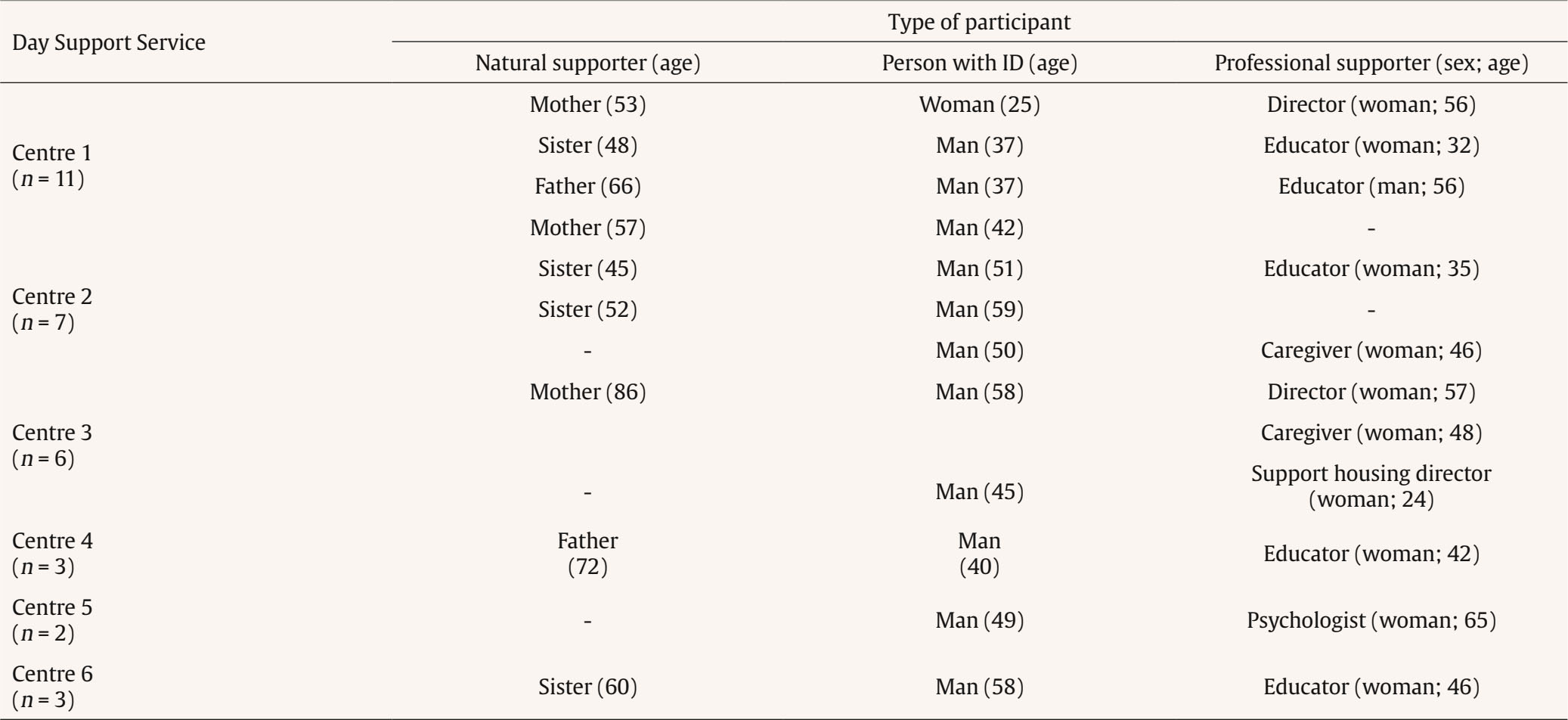 Note. Professional roles are defined as follows: ‘educator’ refers to staff delivering educational or vocational activities; ‘caregiver’ to those providing direct personal or daily living support; ‘director’ to managers within the day service; and ‘support housing director’ to those overseeing supported living facilities. Role terminology may vary across countries. Instrument Sociodemographic and cigarette smoking data were collected using a questionnaire. Family members and support professionals completed it either on paper or online. For adults with ID, the interviewers (A. U. and J. A.) verbally administered the questionnaire by collecting the information from the support professionals. Semi-structured face-to-face in-depth interviews were conducted with 14 open-ended questions exploring smoking habits, views on quitting, and support for cessation among people with ID (e.g., “Can you tell me how you started smoking tobacco?”). To encourage detailed responses, interviewers used prompts (e.g., “Can you give examples?”). The interview schedule was developed in accordance with IPA principles for data collection (Smith & Nizza, 2022). Questions and prompts were reviewed by the research team to refine their content, level of difficulty, and tone. Feedback from the pilot study was used to ensure clarity and accessibility for participants with ID, as well as for their family members support professionals. Appendices B and C include interviews with adults with ID and with family and professionals, respectively. Procedure Initial contact with nine day services was made via email, providing information about the study. Follow-up calls addressed questions and clarified procedures. All services agreed to participate and provided the number of eligible participants. Three services were excluded for not supporting adults with ID who smoked; all eligible participants at the remaining six services consented to participate. Recruitment aimed to form triads of one person with ID, one family member, and one professional. When triads were not feasible due to a lack of professionals or family, dyads of an adult with ID and a family member or professional were prioritised. The study protocol was approved by the Ethical Committee of Research of the Principality of Asturias (Spain) [CEImPA 2023.367] and was registered in the OSF database: (https://osf.io/84qfn?view_only=7c86d365a38b4d5ca07a0d72c369ca2d). Prior to participation, information sheets and informed consents were distributed, including easy-read versions. They decided to participate voluntarily, providing informed consent. A pilot study at a day service with two persons with ID and two professional supporters confirmed clarity, but additional prompts were added to encourage detailed responses. The fieldwork began with collecting demographic and smoking data, followed by interviews conducted by two researchers—J. A. on support networks and A. U. on participants with ID. Two participants with ID (Drake and Cody) had support professionals present to facilitate communication. Support professionals were instructed to strictly limit their role during the interview to clarifying questions and answers, refraining from prompting or providing content. All questions were directed solely to participants with ID with professionals intervening only to clarify pronunciation or understanding, Additionally, participants were reminded that there were no correct answers, which helped to minimise potential social desirability bias. Interviews took place in a confidential setting, lasting approximately 30 minutes. The sessions continued until no new themes emerged, ensuring sufficient depth of data (Smith & Nizza, 2022). Participants received a €20 gift card for their collaboration. Coding and Analysis The data were analysed using IPA through a structured, step-by-step approach (Smith & Nizza, 2022). Interviews were imported into QSR NVivo 14, transcribed verbatim, and cross-checked with recordings. The analysis was iterative and concurrent with data collection, with A. U. and J. A. applying IPA principles, with coding including descriptive, linguistic, and conceptual analysis. Each researcher analysed their own interviews, with a “double-check” process and a third reviewer (P. S.) coding a random fragment to ensure consistency. Interpretations and “fore-meanings” were documented, and cross-case patterns were grouped into superordinate themes, refined through regular team discussions. Researchers Characteristics and Reflexivity Researchers J. A. (male PhD candidate), A. U. (female PhD candidate), and P. S. (female PhD) had no prior relationship with participants and ensured reflexivity before and during the study. All researchers brought experience in IPA, with J. A. contributing expertise in gaming behaviours research, A. U. offering a clinical psychology background and experience working with people with disabilities, with a focus on rapport building, and P. S. bringing a professional background in working with people with ID and extensive knowledge of qualitative methodology. All three reflected on their assumptions and biases to ensure impartial data interpretation and to account for their influence on the research process. Motivated by the limited research on tobacco use in this population, they initially expected similar smoking behaviours to those without ID but recognised the need for tailored approaches and considered how different contexts influence tobacco use. Results are presented by themes and subordinate themes (Figure 1). Throughout this section, “both groups” refers to areas of convergence or divergence between adults with ID (first-person perspectives) and support providers (external perspectives). Pseudonyms are used for all participants to ensure confidentiality. Figure 1 Emergent Themes and Subordinate Themes 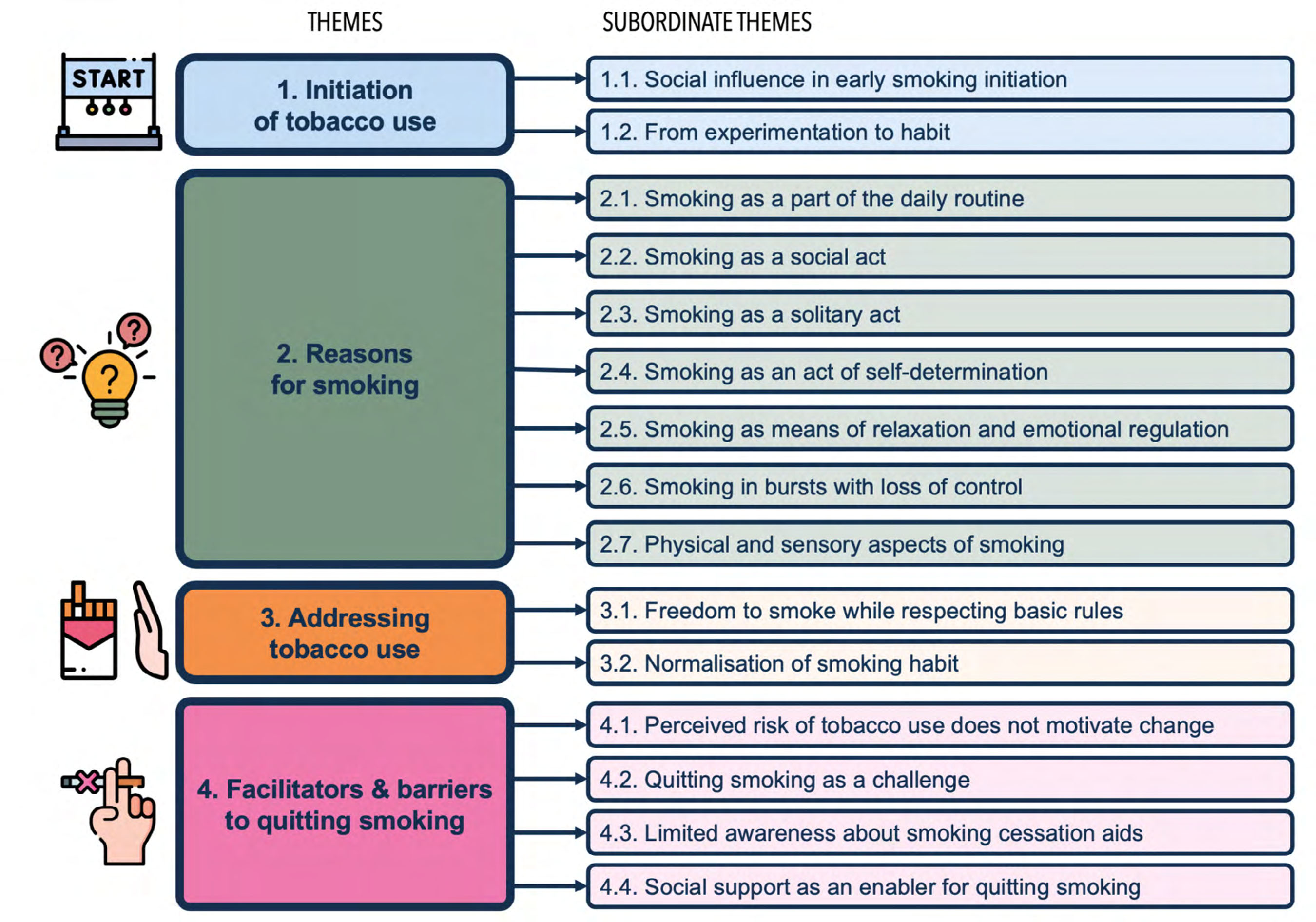 Theme 1: Initiation of Tobacco Use Social Influence in Early Smoking Initiation There was a consensus among both groups that smoking typically began during adolescence, influenced by social interactions and peer pressure. Eleven people with ID shared how their involvement in smoking was socially encouraged, mainly by friends and, occasionally, by relatives. A group of friends gave me a cigarette to try, and it went from there, it kept going... (Ash, 37) Eight family members and five professionals described how smoking began through interactions with friends or acquaintances, frequently in secret from parents. Parents mentioned: He started with his cousin; they would smoke in secret. (Nolan, 72) In adolescence, yes, it’s typical in a rural area where you interact with a group of people who start smoking, following the actions of adults. (Karen, 48) From Experimentation to Habit Nine participants with ID shared that their first experiences with smoking were casual and sporadic, but gradually turned into a habit and, eventually, an addiction. At first, I would only smoke occasionally, just like that… But no, I got hooked at 19. (Fill, 37) This pattern was also recognised by three family members, who described smoking as something that began with occasional cigarettes and progressively intensified. As a mother noted: Well, this started because of a girl who comes here, she’s a heavy smoker. He started to get ‘hooked’, as he puts it. At first it was: ‘Here, have a cigarette, have a cigarette.’ At home, we didn’t allow smoking. And that’s how it began: a cigarette here, another there, ‘give me one, here you go’… And, of course, later he really started to smoke heavily. Every time he had money, he used it to buy tobacco. And that’s how it went... (Eubert, 66) In contrast, nine professionals were not aware of how smoking began, because they met them after they had already developed the habit. Theme 2: Reasons for Smoking Smoking as Part of the Daily Routine Twelve participants with ID and all family members and professionals converged in their view that smoking is part of a structured daily routine. Both groups associated tobacco use with specific times (e.g., waking, meals, coffee breaks), providing a sense of order and predictability in daily life. One participant described: At ten past eight at home, and then at ten past one, before going to bed (Blaze, 40) Smoking as a Social Act Ten adults with ID described smoking as a social activity, fostering interaction and connection. Smoking was often linked to group belonging, particularly when friends and family smoked. I smoke with people I know, I see someone at a bar and I might go out for a smoke with them. (Leo, 58) Six family members and nine professionals emphasised this social aspect, viewing smoking as a way for adults with ID to imitate others and to belong and connect within social circles. A mother noted: I think it’s about seeing others. He wants to feel like them. (Sophie, 86) Smoking as a Solitary Act Eight adults with ID enjoyed tobacco privately and emphasised that they often smoked alone at home, valuing its quiet and personal nature. When I’m at home, I smoke alone, sitting comfortably. (Troy, 42) Three family members noted that the person with ID often smoked alone at home. This was not mentioned by professionals, likely due to the lack of opportunities and places to smoke alone within day services. Smoking as an Act of Self-determination Four participants with ID described smoking as a way to feel more mature and adult. For them, it represented a marker of adulthood and a way to express a grown-up identity. It seems to make you more of a man... (Jake, 50) Seven professionals and six family members similarly saw smoking as an expression of personal choice and self-determination for adults with ID. Smoking behaviours were understood as a means of exercising individual agency and personal choice in a context where opportunities to make decisions are often limited. They noted that smoking helped adults with ID feel more in control of their lives, less different, or with fewer support needs. I think it gives them a sense of status, like a person with fewer disabilities, a person with a more normalised situation. (Alice, 24) Smoking as a Means of Relaxation and Emotional Regulation Smoking was described as a strategy for emotional regulation, particularly during moments of stress or anxiety. Ten people with ID, along with seven professionals and eight family members, viewed it as a temporary source of calm and psychological relief. An adult with ID shared: When I’m very anxious, the cigarette calms me down. (Beau, 59) Smoking in Bursts with Loss of Control Six participants with ID, six professionals and seven family members described episodes of intense tobacco use concentrated in short periods. Smoking was characterised by a rapid succession of cigarettes, often without finishing one before lighting the next. One person with ID and a sister respectively shared: Smoking a lot, a lot, one after another. Breathing in the smoke fast and finishing quickly, and then I feel very dazed… completely dazed… (Dylan, 51) Physical and Sensory Aspects of Smoking A divergence between both groups was observed in how smoking was experienced by people with ID: while professionals and family members primarily linked it to relaxation, six adults with ID also emphasised its sensory appeal, particularly the smell, taste, and physical sensations involved. One person shared: I don’t know, the way of smoking it... (gesturing as if holding a cigarette and mimicking the act of smoking). (Dylan, 51) Theme 3: Addressing Tobacco Use The third theme explored how tobacco use among adults with ID was addressed by their support providers. Freedom to Smoke While Respecting Basic Rules Tobacco use was permitted within boundaries respecting safety and cohabitation, such as smoking by windows at home or in designated outdoor areas during breaks or leisure periods in day services. Twelve adults with ID acknowledged being aware of these rules, and six described how they also followed suggestions from family members or staff to moderate their use: Well, my dad tells me: have one or two, not more until we get home (Ash, 37) Eight family members and 11 professionals referred to these boundaries. A professional and a mother, respectively, noted: He’s allowed to go out for small breaks to smoke. He brings his own pack and smokes here. (Chloe, 46) Smoking outside, not at home and definitely not in the bedroom. (Amanda, 53) Normalisation of Smoking Habit Ten participants with ID, four family members and five support professionals described smoking as a normalised and accepted behaviour, a common part of daily life. A support professional remarked: I don’t do anything because I see them smoking, and I’m used to it. (Lee, 56) Theme 4: Facilitators and Barriers to Quitting Smoking Perceived Risk of Tobacco Use Does Not Motivate Change Five adults with ID minimised the health risks of smoking, while seven acknowledged the dangers and confirmed their potential harm: I know I’ll die of cancer from smoking. (Dylan, 51) Despite this knowledge, the risk did not strongly motivate behaviour change. Five people with ID minimised or compared the risks to other behaviours: It’s better to smoke tobacco than other drugs. (Fill, 37) Eight family members and eight professionals acknowledged health risks of smoking. Quitting Smoking as a Challenge Nine people with ID described quitting smoking as difficult, often due to craving. Four of them expressed a preference for reducing their intake rather than stopping entirely: Reduce. Fine. Smoke less. Fine. From 3 to 2 and from 2 to 1 but not quitting entirely. (Blaze, 40) Four family members and four professionals also agreed that quitting smoking was a significant challenge, highlighting the role of craving and the common experience of relapse. They often viewed complete cessation as nearly impossible for most. Six professionals and four family members believed that, despite the challenges, people with ID can quit. A support professional stated: He has more ability to quit than I do. (Catty, 32) Limited Awareness About Smoking Cessation Aids Both groups exhibited limited awareness about the availability and the effectiveness of smoking cessation resources, primarily restricted to pharmacological methods such as nicotine patches and pills. Three people with ID admitted limited knowledge of smoking cessation, while nine had heard of them through the media and their peers. Their understanding of how these methods work remained vague: Patches... I know they exist, but I don’t know how they work. (Leo, 58) Four people with ID expressed greater confidence in the efficacy of pills over nicotine patches. Two of them had used pills to try to quit smoking. The pills, when I took them, they worked for me, those three months. (Zack, 45) Six family members and nine professionals emphasised the importance of consulting medical professionals and following treatment plans from health services. All mentioned pharmacological methods and were more familiar with a broader range of pharmacological cessation aids than adults with ID. Four professionals and one family member also referenced non-evidence-based treatments like hypnotherapy, homeopathy, or folk remedies. What I hear about are these pills called Champix, although I don’t know if there are better ones now, because they caused some anxiety and didn’t work well for everyone. Then there’s homeopathy—there are granules that, depending on what you smoke, like Lucky, Chester, or whatever, you take those homeopathy pills. Then there’s hypnosis too. (Audrey, 56) Social Support as an Enabler for Quitting Smoking Both groups acknowledged social support as essential in the smoking cessation process, highlighting the importance of guidance from those with whom they share strong emotional bonds. Ten people with ID emphasised the role of close relations, including family and professionals, in helping them quit. One mentioned the influence of a professional who successfully quit smoking: Well, Lee, who no longer smokes, can help me quit like he did. (Ash, 37) Ten professionals and six family members referred to the value of emotional support in this context: We could help them [...] and that at home they would have the support to quit smoking. (Chloe, 46) However, there was a divergence between both groups because five professionals and one family member emphasised that people with ID needed professional support to manage emotional regulation and anxiety as part of the smoking cessation process. Meanwhile, people with ID have a mixed perception. Nine believed they should quit progressively with external support, as indicated in the convergences, while other three argued that it was an individual process based on willpower: I have to do it alone; no one can help me with this. (Ivy, 25) This study explored tobacco use and cessation experiences of adults with ID in day services, and how their family members and support professionals perceived these experiences. Four themes emerged: initiation, reasons for smoking, addressing use, and barriers and facilitators to quitting, with tensions around health, autonomy, and cessation approaches. The first theme shows that people with ID usually start smoking in adolescence, like their peers, motivated by social interactions and peer pressure. Family and social norms influence initiation which develops into a habit, mirroring patterns in those without ID and limiting anti-smoking campaign effectiveness (Eveleigh et al., 2025). Early tobacco use is often sporadic, driven by curiosity and social normalisation, similar to patterns seen in residential settings (Udeanu et al., 2026). Regarding the second theme, cigarettes were part of routines providing structure and predictability. Smoking served social, identity, emotional, and physical functions: as a solitary act and a way to foster belonging and acceptance. It also expressed autonomy and self-determination —appearing adult or less different. Managing stress or anxiety was a prominent reason, sometimes leading people to replace alcohol or other drugs; some reported chain smoking, which involves continuously smoking by lighting a new cigarette from the stub of the previous one without any breaks in between. These findings align with research on people with ID in residential settings (Udeanu et al., 2026) and without ID (Poole et al., 2022) that underscore the need for multicomponent interventions addressing social, identity, stress, and dependency factors. While many programmes address smoker identity (García-Fernández et al., 2022), for adults with ID these issues are closely linked to self-determination, requiring tailored adaptations. The third theme explored how support providers addressed tobacco use by balancing self-determination with shared norms through informal rules that prioritised autonomy, safety, and respect. Personal choice was emphasised over protective supervision. Despite awareness of health risks, smoking was normalised within permissive environments, with participants adjusting behaviours based on cues from support providers in home and day services. Participants generally followed rules about designated smoking times and areas. This approach respects autonomy while ensuring safety, contrasting with residential services where institutional policies often regulate areas, timing and quantity of cigarettes, creating greater tensions with self-determination (Udeanu et al., 2026). In this context, tobacco use among people with ID serves not only as a form of reward but also as a means of expressing self-determination and fostering social inclusion—domains integral to quality of life, where people with ID often score lower (Morán et al., 2022). Therefore, it is crucial to explore and propose healthier alternative behaviours that can fulfil similar socialising and autonomy-related functions. Identifying these alternatives can address the underlying needs that tobacco use satisfies, ultimately promoting better overall well-being and quality of life. From a rights-based, person-centred perspective, it is essential to recognise adults with ID as capable decision-makers; however, providing appropriate support to empower healthy choices and enhance their quality of life remains crucial (Bacherini et al. 2024; Gómez et al., 2024). The last theme highlighted the complexity of smoking cessation among adults with ID. Barriers included limited knowledge of effective evidence-based smoking cessation interventions for people with ID, as highlighted in a recent systematic review of substance use interventions, which reported the few interventions currently known: mindfulness-based therapy, assertiveness and modelling techniques, and smoking education, sometimes combined with nicotine replacement therapy (Udeanu et al., 2025). Similar to residential settings (Udeanu et al., 2026), awareness of health risks did not lead to quitting, as many minimised them and continued smoking. Some preferred gradual reduction over abrupt quitting. Awareness of cessation aids was low; while pharmacological options like nicotine patches or pills were familiar, behavioural or psychological supports were rarely mentioned. The common advice was to “go to the doctor”, reflecting a general consensus on the importance of seeking professional medical help when experiencing health issues, and indicating limited awareness and confidence in evidence-based psychological interventions for people without ID (e.g., multicomponent therapy, nicotine fading; García-Fernández et al., 2022) and with ID (i.e., cognitive-behavioural therapy combined with motivational interviewing and mindfulness; Udeanu et al., 2025). Conversely, natural and professional support was a key facilitator for quitting. As in residential settings for people with ID (Udeanu et al., 2025) and among people without disabilities (Posse et al., 2025), social support can reduce temptation and encourage cessation. One participant with ID reported feeling that he had to quit independently, underscoring the importance of fostering community, shared experience, coping skills, self-efficacy, motivation, and resilience. Although personal determination is essential, stable and supportive social networks remain critical (Bokemeyer et al., 2025). One limitation of our study was the sex imbalance, with only one woman among participants with ID, which may reflect gendered smoking behaviours (World Health Organization, 2024). This overrepresentation of men limits the generalisability of findings to women. Second, despite the open formulation of questions in the interview schedule, and strict adherence to IPA procedures, including reflexivity and peer debriefing, it is important to acknowledge that the researchers’ perspectives may still have exerted a residual influence. This influence could have affected the framing of specific topics discussed during the interviews, as well as the analysis and interpretation of participants’ responses. Third, while efforts aimed for sample homogeneity, some heterogeneity was unavoidable due to recruitment challenges and sociodemographic diversity (sex, age, living and service settings). Fourth, biases such as social desirability, acquiescence, fatigue, support professionals’ presence, and awareness of recording could have affected responses. There is an urgent need to include the lived experiences of people with ID in tobacco research. Their exclusion leads to interventions that do not fully meet their needs, while risk-benefit approaches may unintentionally cause harm (Swerts et al., 2017). Prevention should target public perceptions of legal substances (Swerts et al., 2017) and promote protective factors like emotional regulation (González-Roz et al., 2025) in accessible ways. Limited knowledge and support remain major barriers to cessation in day services, emphasising the need for tailored, evidence- and rights-based interventions that promote informed, healthy choices within a person-centred approach considering context and support networks. It is important to emphasise that few tobacco cessation programmes specifically adapted for people with ID have been studied; consequently, the evidence supporting these programmes remains limited, and they are not widely available within the routine practices of day support services (Udeanu et al., 2025). The findings of the present study offer valuable insights—particularly regarding barriers, motivators, and the central role of support networks—that align with components of these limited existing programmes. These insights can also inform the development and evaluation of new cessation interventions specifically tailored to their needs, leveraging the identified role of support networks. Future research should focus on identifying best practices for training health care providers, support professionals and family members to provide effective, person-centred, and right-based cessation support, ultimately promoting healthier behaviours and enhancing quality of life. Conflict of Interest The authors of this article declare no conflict of interest. Acknowledgments We extend our sincere gratitude to the third-sector organizations and centers that participated in this study. Special thanks to people with intellectual disabilities, their family members, and the dedicated professionals involved. Their collaboration was crucial to the successful completion of this research. Cite this article as: Udeanu, A., García-Fernández, G., García Aller, J. A., Solís-García, P., Vanderplasschen, W., & Gómez, L. E. (2026). Tobacco use and cessation among adults with intellectual disability: Experiences in day services. Clinical and Health, 37, Article e260728. https://doi.org/10.5093/clh2026a14 Funding: This study was funded by the Government Delegation of the National Plan on Drugs (ref. 2023I056) and a predoctoral grant from the University of Oviedo (ref. PAPI-22-PF-19 to A.U.). The source of funding did not participate in the design of the study, the data collection, analysis, or interpretation, the writing of the article, or in the decision to submit it for publication. The data that support the findings of this study are available from the corresponding author upon reasonable request. Data access will be provided to researchers subject to review of their proposed use and adherence to confidentiality agreements, ensuring compliance with ethical guidelines. Due to the sensitive nature of clinical data involving people with intellectual disability, they will be available in a deidentified form to protect participant privacy. References Appendix A Consolidated Criteria for Reporting Qualitative Studies (COREQ): 32-item Checklist 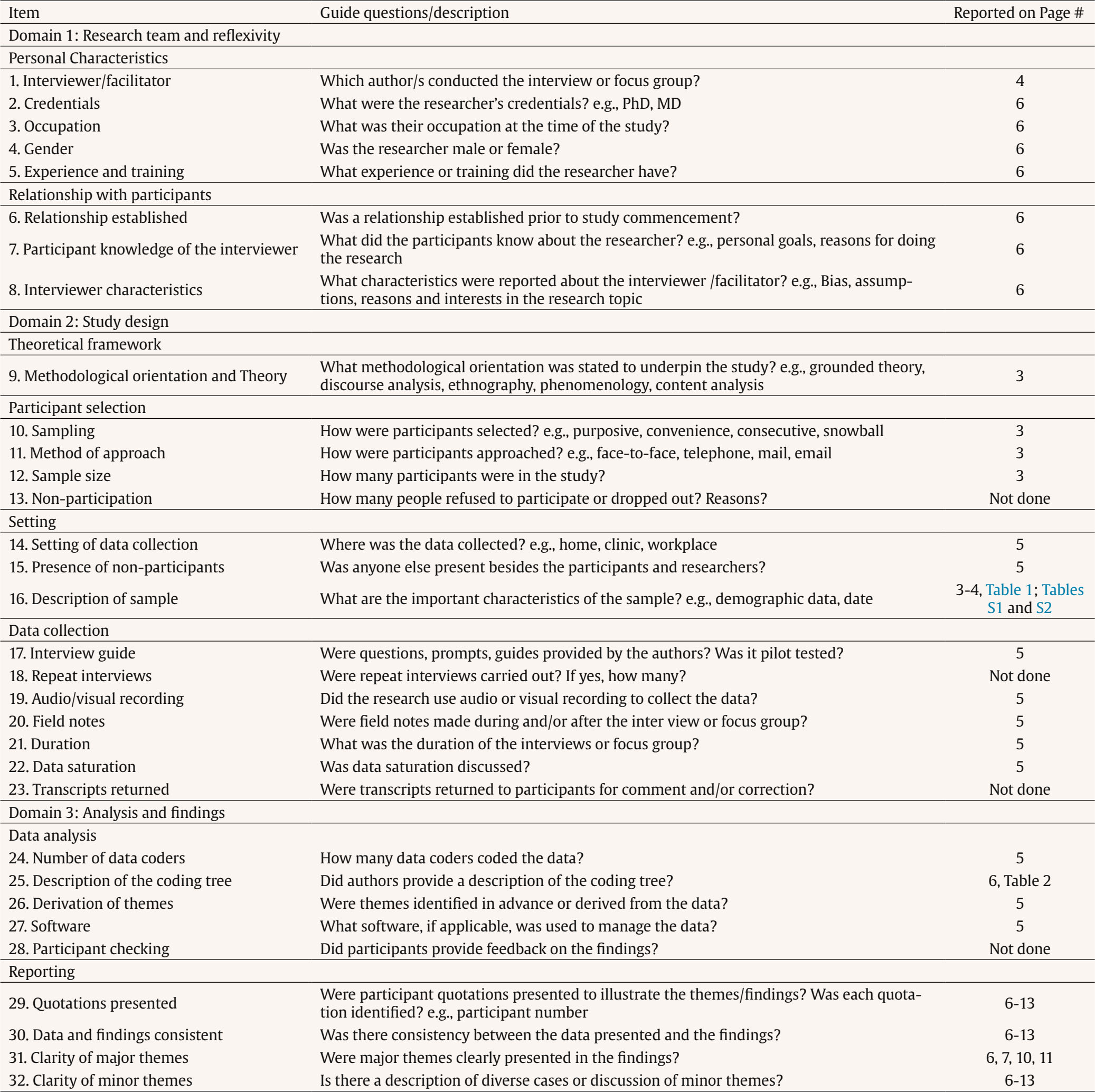 Appendix B Interview for People with Intellectual Disability who Smoke Tobacco UNDERSTANDING EXPERIENCES ABOUT… TOBACCO CONSUMPTION HABIT Can you tell me how you started smoking tobacco? Prompts: why, when, how old you were, where, who you were with, what you smoked... Can you describe how you usually smoke? Prompts: where, when, in what situations, alone or with others, who you smoke with, who you don’t smoke with, what activities you do while smoking. How do you feel when you smoke tobacco? Prompts: what you feel in your body, emotions, feelings, thoughts (“what goes through your mind…”), how you feel after smoking How do you feel when you want to smoke but can’t? Prompts: what you feel in your body, emotions, feelings, thoughts (“what goes through your mind…”). Can you tell me why you smoke tobacco? Prompts: reasons, causes, motives, purposes... What do you like the most about smoking tobacco? Prompts: what you enjoy, how it helps you, benefits, reasons for smoking What do you dislike the most about smoking tobacco? Prompts: what you don’t like, negative effects, health risks. APPROACH TO TOBACCO USE What do the professionals at the center do when you smoke tobacco? (If necessary and known, specific professionals’ names can be mentioned). Prompts: what they say/do, how you feel. What does your family do when you smoke tobacco? (If necessary and known, specific family members or housemates can be mentioned, e.g., mother, father, siblings, partner, roommates). Prompts: what they say/do, how you feel when they do that Could you tell me if you have ever tried to quit smoking and how it was? Prompts: how you did it, support or treatments, who helped you, how they helped you, how you felt, how long you stayed without smoking, what happened, who you smoked with again? What do you think about quitting smoking? (Add “again” if the person answered “yes” to the previous question). Prompts: would you do it/would you try again, why, how, when, who you would like to help you and how, how long you would like to be without smoking? What help or treatments do you know about for quitting smoking? Prompts: which ones, where, how they work, what you think about this help or treatment...? Who could help you quit smoking? Prompts: family members, professionals, partner, friends… What could help you quit smoking? Prompts: methods, places, moments… PROBES Can you give me an example...? What do you mean...? Can you tell me a little more...? Appendix C Interview for Professionals and Family Members UNDERSTANDING EXPERIENCES ABOUT… TOBACCO CONSUMPTION HABIT Can you tell me how X (name of the person with intellectual disabilities) started smoking tobacco? Prompts: how/when/why they started smoking, how and when you found out, if they told you, what you said/did... Can you describe how they usually smoke? Prompts: situations, places, days, alone or with others, people they (don’t) smoke with at home/the center, activities they do while smoking. How do you think they feel when they smoke tobacco, and how do you feel about it? Prompts: physical sensations, emotions, feelings, thoughts... How do you think they feel when they want to smoke but can’t? Prompts: body language, what they say, what they do, how they behave Why do you think they smoke tobacco? Prompts: reasons, causes, purposes... What do you think they like the most about smoking tobacco. Prompts: what they enjoy, how it helps them, benefits, reasons for smoking. What do you think is the worst thing about smoking tobacco for them? Prompts: downsides and inconveniences, negative effects, health risks, negative consequences. APPROACH TO TOBACCO USE Can you describe what you usually do when the person smokes? Prompts: your opinion(s)/what you say/what you do when they smoke, rules or guidelines about smoking at the center and at home Can you tell me if they have ever tried to quit smoking and how the experience was? Prompts: how they did it, who helped them, support or treatments used, how long they stayed without smoking, how they started smoking again, how the experience was for you. What do you think about them quitting smoking? Prompts: whether they would do it/try again, why, when, how long they could stay without smoking. What help or treatments do you (and the person) know about for quitting smoking? Prompts: where and how to access that help or treatment, what they think about it. Who do you think could help them quit smoking? Prompts: professionals, family members, partner, friends... What do you think could help them quit smoking? Prompts: treatments, methods, places, moments... What do you think would be the biggest challenges/barriers for them to quit smoking? Prompts: difficulties, how the process would be, situations they would face... PROBES Can you give me an example...? What do you mean...? Can you tell me a little more...? Supplementary Materials Table S1 Sociodemographic and Smoking Characteristics of Participants with ID 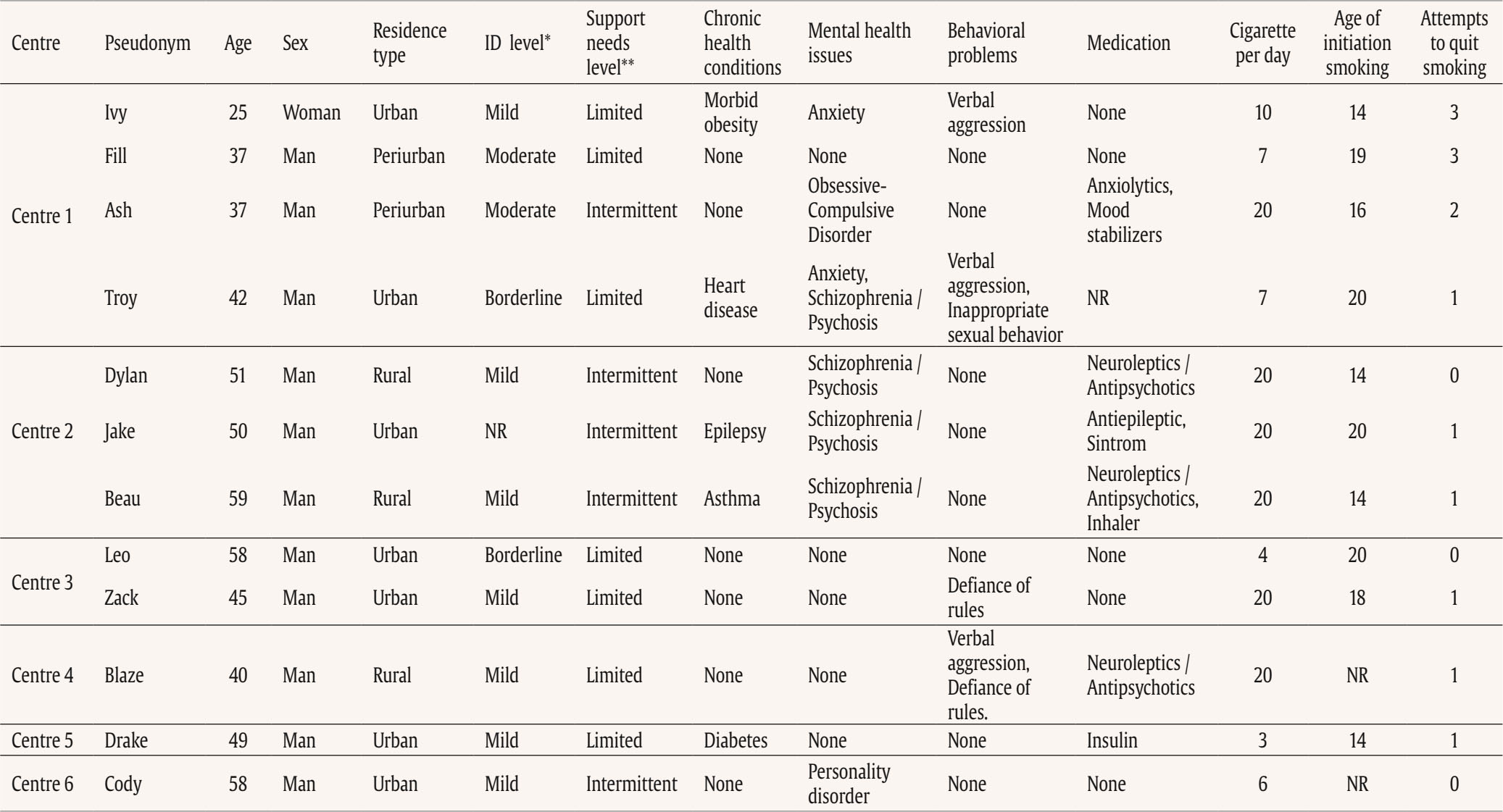 Note. NR = not reported; *Levels of ID were extracted from participants’ existing records in residential facilities. These classifications were not assessed by the research team and may vary in their operationalisation across individuals. **Support needs level was obtained from existing records and classified according to Luckasson et al. (1992): limited = support provided continuously but only for a limited period; intermittent = support required for short periods, usually during transitions; extensive = continuous, regular support with no time limit. Table S2 Sociodemographic Data of Professionals and Family Members 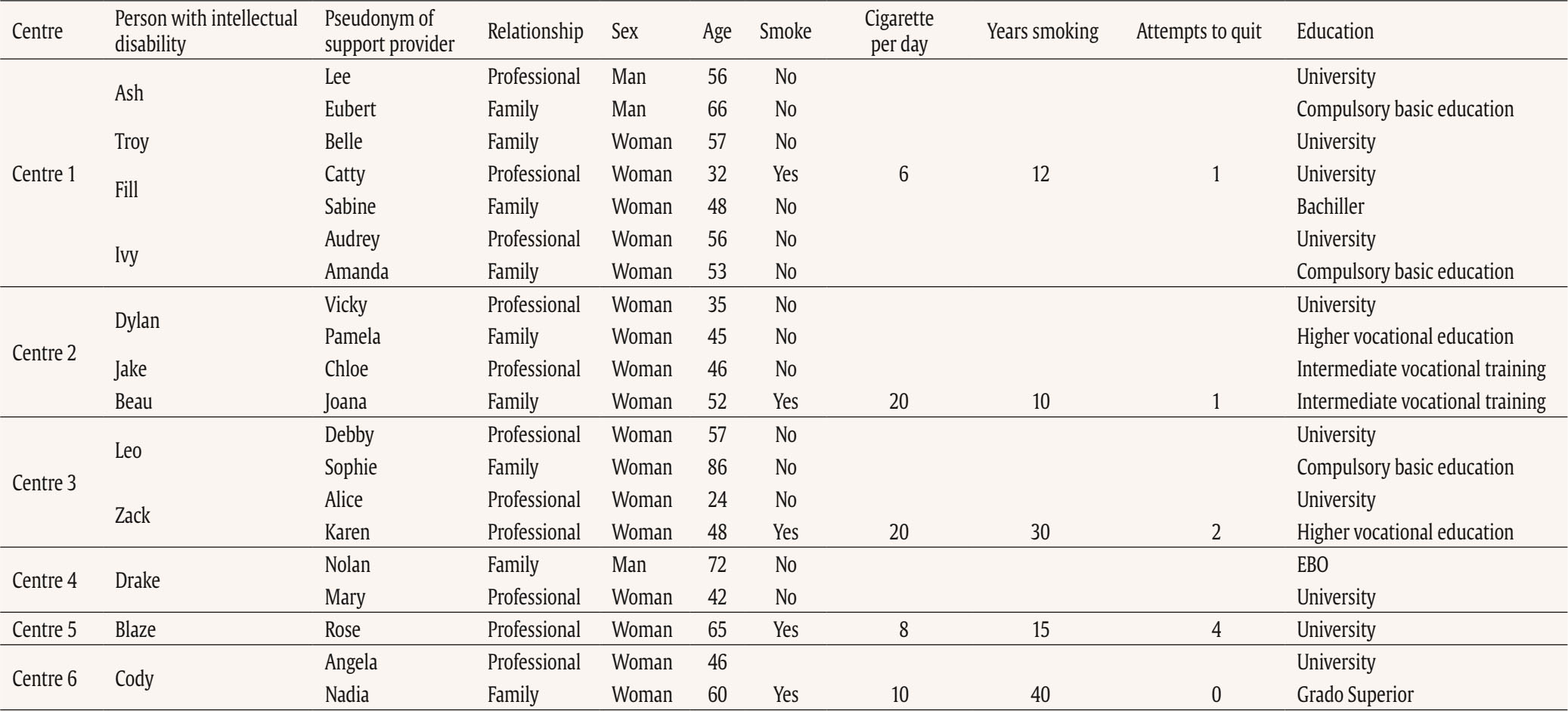 |
Cite this article as: Udeanu, A., García-Fernández, G., García Aller, J. A., Solís-García, P., Vanderplasschen, W., & Gómez, L. E. (2026). Tobacco Use and Cessation among Adults with Intellectual Disability: Experiences in Day Services. Clinical and Health, 37, Article e260728. https://doi.org/10.5093/clh2026a14
Correspondence: gomezlaura@uniovi.es (L. E. Gómez).Copyright © 2026. Colegio Oficial de la Psicología de Madrid


 PDF
PDF e-PUB
e-PUB CrossRef
 JATS
JATS Imprimir
 Enviar
ALERTA POR E-MAIL
La Revista de Clínica y Salud está distribuida bajo una licencia de Creative Commons Reconocimiento-NoComercial-SinObra Derivada 4.0 Internacional.com